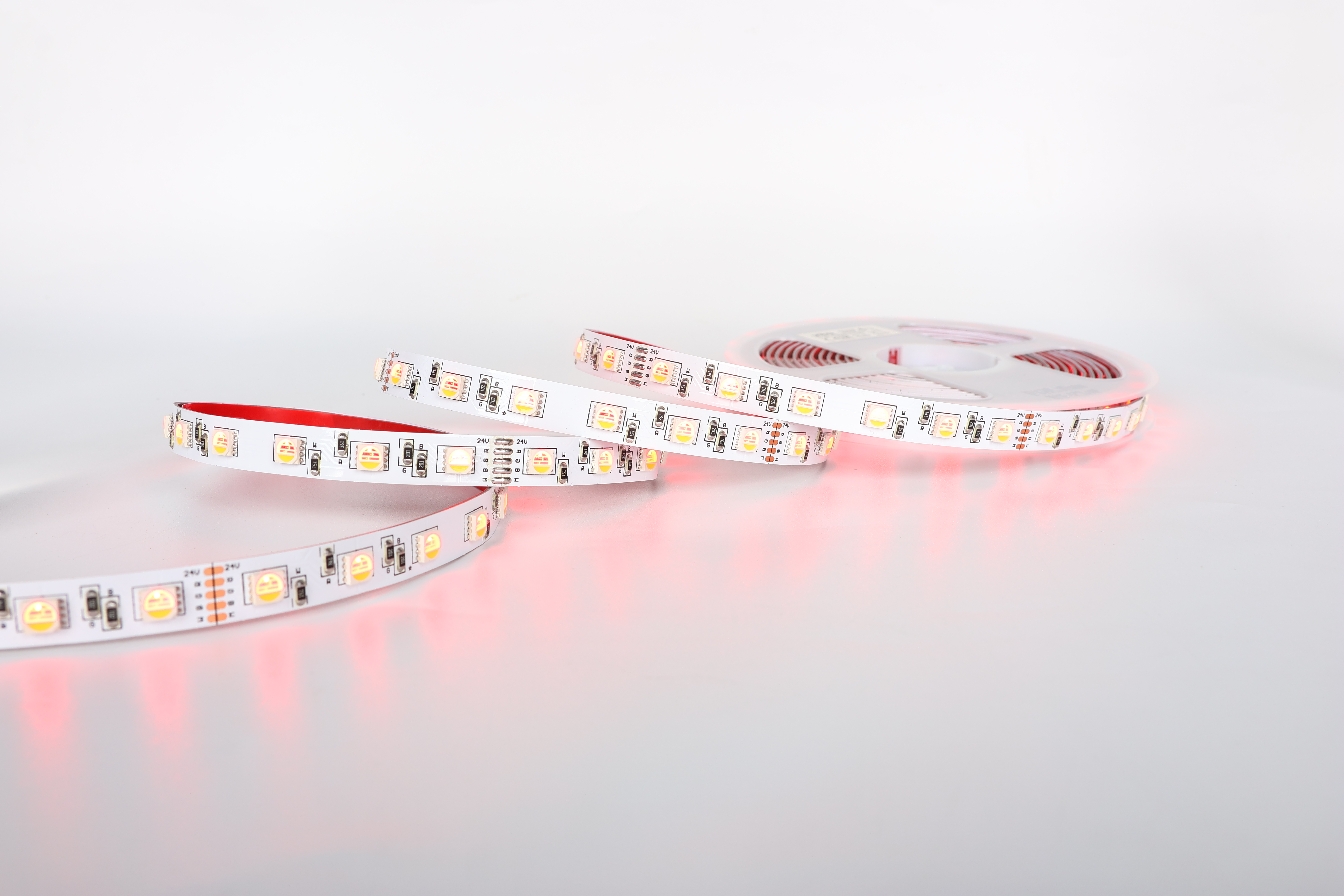
Outdoor lighting transforms exterior spaces into functional and aesthetically pleasing environments, but choosing the right technology requires careful consideration of environmental factors. COB LED strip technology has gained significant attention in recent years as a powerful alternative to traditional outdoor lighting solutions. The question many property owners and contractors face is whether this high density led strip technology can reliably perform outdoors while maintaining safety and longevity. Understanding the capabilities and limitations of cob flexible lighting is essential before making an investment in outdoor illumination systems.
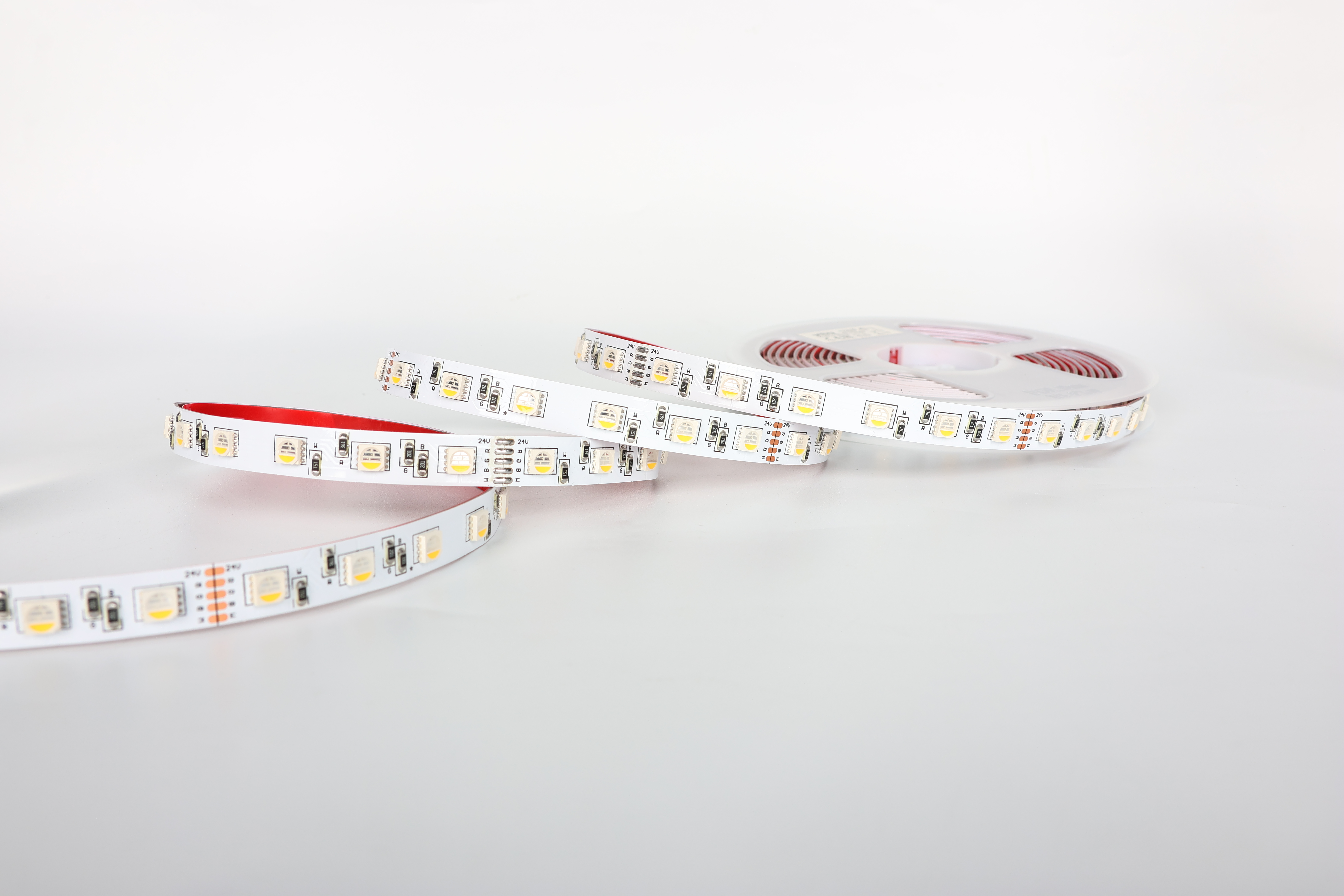
The short answer is yes, COB LED strip lighting can work outdoors safely, but success depends on proper selection, installation, and environmental design. Not all cob flexible lighting products are created equal, and understanding the specific characteristics that enable outdoor performance is critical. Continuous led tape solutions designed for external use incorporate weatherproofing features that standard indoor strips lack. This article explores the technical foundations, practical considerations, and safety protocols that determine whether COB LED strip technology is appropriate for your outdoor application.
Understanding COB LED Strip Technology and Outdoor Requirements
COB, or Chip-on-Board, represents a fundamental shift in LED strip design compared to traditional SMD (Surface Mount Device) configurations. In a COB architecture, multiple LED chips are mounted directly onto a single substrate, creating a high density led strip with exceptional light output and uniform illumination. This design allows manufacturers to pack significantly more light-emitting capacity into a smaller physical footprint, making continuous led tape ideal for applications requiring concentrated brightness. The tight arrangement of chips on a single board also improves heat dissipation characteristics, which is particularly important for outdoor installations where thermal management affects longevity.
Outdoor performance requirements extend far beyond indoor specifications. Outdoor environments expose cob flexible lighting to moisture, temperature fluctuations, ultraviolet radiation, dust, and mechanical stress that indoor lighting never encounters. A COB LED strip intended for outdoor use must incorporate IP ratings of at least IP65 or higher, indicating complete dust protection and strong water jet resistance. The substrate material, encapsulation compounds, and connector designs all require outdoor-grade specifications. Additionally, continuous led tape installed outdoors must maintain consistent color temperature and brightness across varying ambient temperatures, ensuring reliability from winter cold to summer heat.
Weatherproofing Features and Material Considerations
Protective Encapsulation and IP Rating Standards
The encapsulation layer protecting a high density led strip determines its ability to survive outdoor moisture exposure. Outdoor-rated COB LED strip products use silicone or polycarbonate encapsulation instead of standard acrylic, as these materials offer superior water resistance and UV stability. The silicone resin used in quality cob flexible lighting products provides both a moisture barrier and flexibility, allowing the continuous led tape to bend and conform to installation surfaces without cracking. IP65 rating ensures that water spray from any direction cannot penetrate the strip's components, while IP67 ratings provide temporary submersion protection, suitable for areas prone to standing water or frequent direct spray.
Connector and Power Supply Protection
Even the most robust COB LED strip installation can fail if connectors and power supplies lack adequate weatherproofing. Outdoor high density led strip systems require sealed connectors with corrosion-resistant materials, typically stainless steel or gold-plated contacts that resist oxidation. The cob flexible lighting's power supply must be either rated for external mounting with IP67 protection or housed in a weatherproof enclosure mounted in a sheltered location. Continuous led tape installations should include strain relief mechanisms and silicone sealant at connection points to prevent water ingress. Wire insulation must be rated for outdoor UV exposure, as standard PVC coating degrades rapidly under direct sunlight, potentially creating electrical hazards.
Installation, Safety, and Durability Factors
Proper Installation Practices for Outdoor Performance
Installing COB LED strip outdoors requires attention to drainage, ventilation, and protection from direct weather impact. High density led strip should be mounted in locations where water naturally drains away, never in recessed channels or low spots where moisture can accumulate. For cob flexible lighting applications on horizontal surfaces, slight angling promotes water runoff and prevents pooling. The continuous led tape installation should position exposed connectors away from wind-driven rain when possible, and all horizontal runs should be protected with weatherproof covers or channels. Vertical installations often perform better than horizontal runs because gravity assists water drainage, reducing the residence time of moisture on the strip's surface.
Thermal Management and Service Life Expectations
Outdoor temperature extremes affect COB LED strip performance and longevity in ways that indoor installations never experience. High density led strip products undergo accelerated degradation when exposed to sustained high temperatures above 70 degrees Celsius, which can occur on dark surfaces in direct summer sunlight. Quality cob flexible lighting includes aluminum or ceramic backing to dissipate heat effectively, extending the lifespan of the light-emitting components. Continuous led tape rated for outdoor use typically maintains 70 percent of initial brightness after 30,000 to 50,000 hours of operation, depending on the specific product quality and installation conditions. Outdoor installations generally experience shorter effective lifespans than indoor equivalents due to cumulative environmental stress, making component quality selection crucial for long-term performance and safety.
Application Scenarios and Safety Considerations
COB LED strip technology excels in specific outdoor applications where its high density led strip characteristics provide clear advantages. Architectural accent lighting, garden pathway illumination, deck and patio edge highlights, and facade lighting all benefit from the superior brightness and color rendering of high-quality cob flexible lighting. The continuous led tape design allows seamless installation along curved surfaces and complex architectural features that would be difficult with rigid lighting fixtures. However, safety requires avoiding certain scenarios where outdoor weather exposure might compromise electrical integrity or create hazards. Never install standard indoor COB LED strip in outdoor environments, as inadequate weatherproofing can create shock hazards or cause fires due to moisture-induced short circuits.
Electrical safety remains paramount in outdoor cob flexible lighting installations. All outdoor continuous led tape systems must connect through ground fault circuit interrupter (GFCI) protected outlets or installations, which detect electrical faults and instantly shut off power to prevent dangerous current pathways. The power supply voltage and current capacity must match the specific strip's requirements precisely, as undersized supplies cause overheating and premature failure of high density led strip components. When installing COB LED strip in locations where people might touch the lighting or where water contact is likely, additional protection measures including insulated conduit and elevated mounting heights enhance safety. Professional installation by qualified electricians is strongly recommended for permanent outdoor cob flexible lighting systems, particularly in wet climates or commercial applications where safety liability considerations are significant.
FAQ
Is COB LED strip waterproof or water-resistant for outdoor use?
Outdoor-rated COB LED strip should be water-resistant to at least IP65 standards, meaning complete dust protection and resistance to water spray from any direction. However, true waterproofing implies zero water penetration, which is impossible to guarantee permanently. High-quality cob flexible lighting rated IP67 can briefly withstand submersion, but even these products experience gradual performance degradation over time with continuous outdoor exposure. The distinction matters because water-resistant products require installation practices that promote drainage and minimize standing water, while permanent submersion applications need specialized marine-grade products with extended warranties.
How long does outdoor COB LED strip typically last?
Outdoor continuous led tape generally maintains functional brightness for 30,000 to 50,000 operating hours under favorable conditions, translating to 3 to 5 years of year-round outdoor use. The actual lifespan depends significantly on climate severity, installation quality, and cob flexible lighting product grade. Installations in mild climates with proper drainage and UV protection see longer service lives, while high-temperature regions or poorly protected installations experience faster degradation. High density led strip products from reputable manufacturers often include extended warranties, sometimes covering 3 to 5 years of outdoor use, which reflects realistic performance expectations.
Can I use indoor COB LED strip outside with weatherproof covers?
While weatherproof covers provide additional protection, standard indoor cob flexible lighting is not designed for outdoor service and creates safety risks. Indoor-rated continuous led tape lacks the UV-stable encapsulation and corrosion-resistant materials necessary for outdoor longevity. Even with protective covers, the underlying high density led strip will degrade prematurely due to material incompatibility with outdoor conditions. The electrical connections, power supply, and substrate materials are optimized for controlled indoor environments, not temperature fluctuations and moisture exposure. Investing in proper outdoor-rated COB LED strip ensures safety, performance, and better long-term value than attempting to adapt indoor products for external applications.
 EN