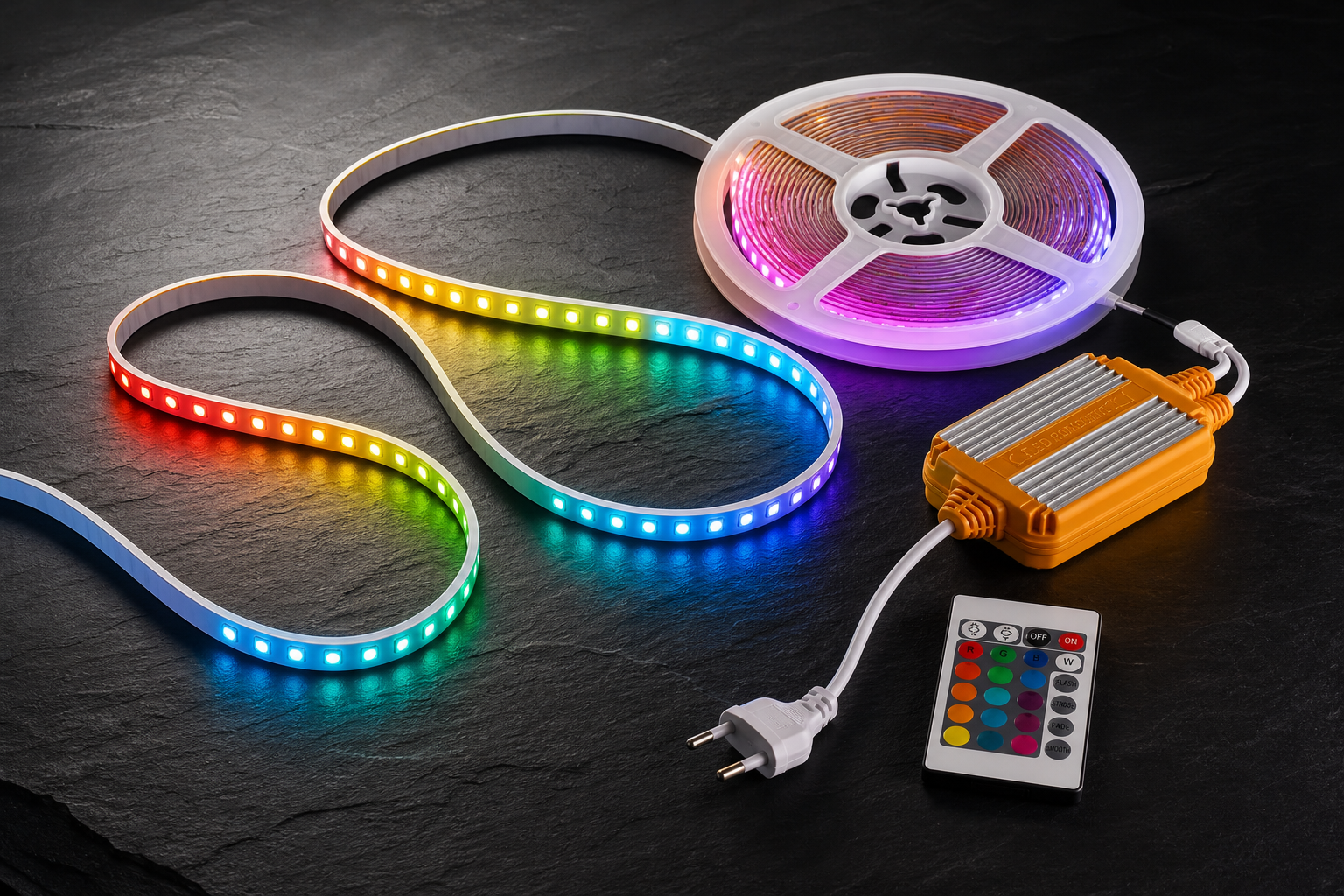
A cob led strip represents a significant advancement in lighting technology, offering superior brightness and design flexibility compared to traditional LED solutions. COB stands for 'Chip-on-Board,' a manufacturing technique where multiple LED chips are mounted directly onto a single substrate, creating a seamless, high-density light source. This innovative approach transforms how architects, designers, and facility managers approach modern illumination, enabling continuous LED tape applications that deliver uniform, flicker-free light across various commercial and residential spaces. Understanding the technology, construction, and practical benefits of this lighting solution is essential for making informed decisions about lighting upgrades and installations.
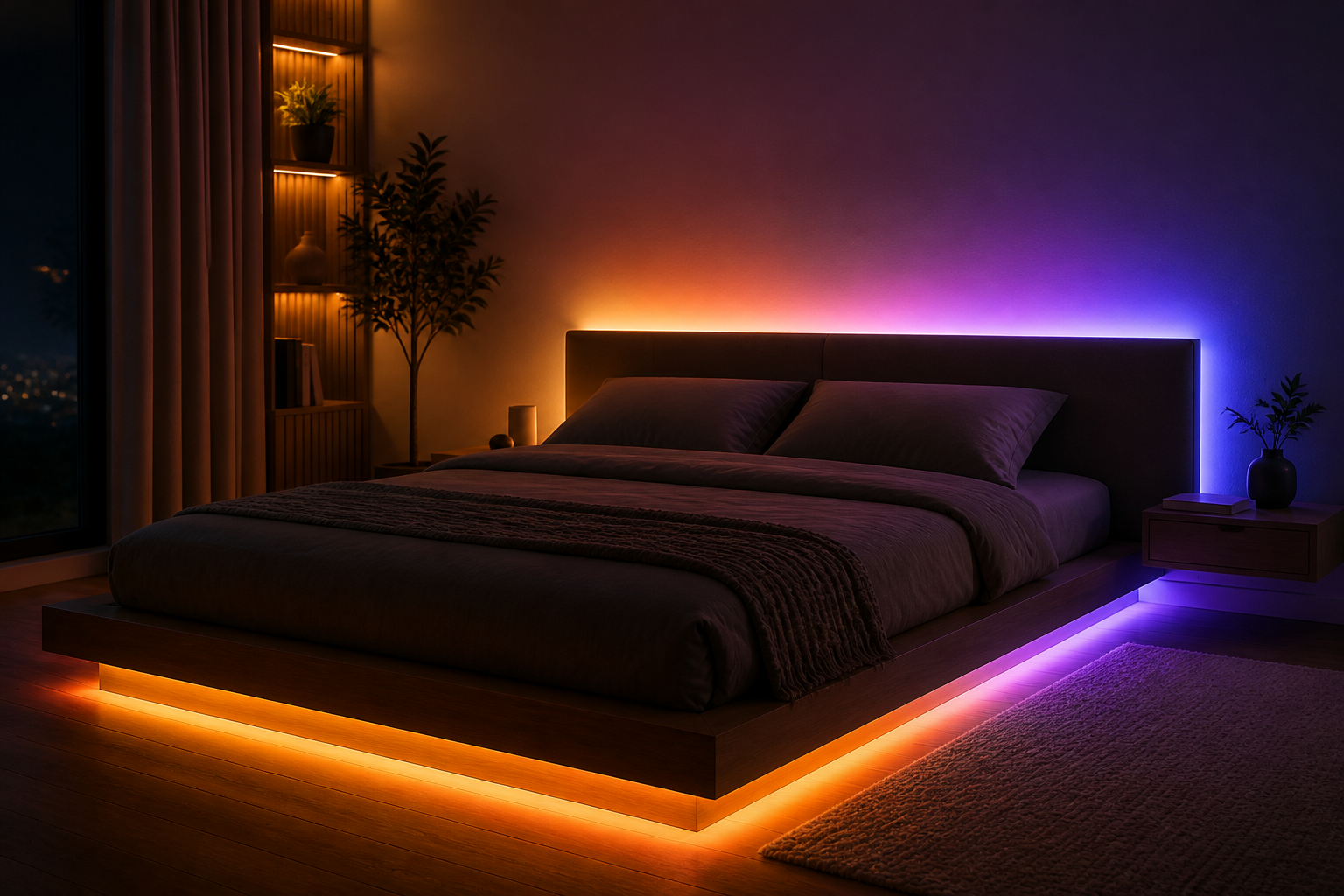
The high density led strip design concentrates multiple LED emitters in a compact form factor, creating exceptional light output without the visible individual diode spacing found in conventional strip lighting. This continuous led tape configuration makes COB technology ideal for applications demanding seamless, professional-grade illumination such as under-cabinet kitchen lighting, retail displays, architectural accents, and hospitality environments. The integration of advanced thermal management, color consistency, and flexible substrate materials ensures reliable performance in demanding installations while maintaining aesthetic appeal and operational efficiency.
Understanding COB Technology and Construction
The Chip-on-Board Manufacturing Process
COB technology differs fundamentally from traditional surface-mount device (SMD) LED construction. Rather than placing individual LED packages with separate leads and lenses onto a circuit board, the high density led strip process bonds bare semiconductor chips directly to a metal or ceramic substrate using conductive adhesive. Multiple chips, typically ranging from dozens to hundreds depending on the strip design, are arranged in close proximity to create a unified light-emitting surface. This approach eliminates the gaps and discrete light points visible in conventional strip lighting, resulting in a uniform glow that appears almost continuous. The cob led strip construction also simplifies assembly and reduces component count, which can lower manufacturing costs while improving reliability and thermal performance.
Light Output and Beam Characteristics
The concentrated chip density in a cob flexible lighting solution generates exceptionally high lumen output per unit length. Where standard SMD strips might produce 400 to 600 lumens per meter, high density led strip variants often deliver 800 to over 1,200 lumens per meter, depending on drive current and specific design parameters. The continuous led tape geometry distributes light evenly across the emission surface, eliminating the 'dot pattern' effect that some users find distracting in lower-quality conventional strips. This uniform illumination enhances visual comfort, reduces eye strain, and creates more professional-looking results in both task lighting and ambient applications. Color rendering index (CRI) values in premium cob flexible lighting products often exceed 90, ensuring accurate color representation for retail, culinary, and fine-art environments.
How COB LED Strips Operate and Perform
Electrical Operation and Power Efficiency
COB LED strips operate through direct-current (DC) electrical input, typically at 12V, 24V, or higher voltages depending on the product design and application requirements. The substrate routes current through a series or parallel network of LED chips, with integrated current-limiting circuitry ensuring consistent light output and preventing thermal runaway. A high density led strip draws power efficiently, converting electrical energy to visible light with minimal waste heat compared to incandescent or halogen alternatives. The continuous led tape design benefits from optimized thermal pathways, allowing heat generated by the chips to dissipate through the substrate and housing material, maintaining safe operating temperatures and extending lifespan. Most quality cob led strip products incorporate aluminum backing plates or integrated heat sinks to enhance thermal management and reliability in continuous-duty applications.
Dimming and Color Control Capabilities
Modern cob flexible lighting solutions support multiple dimming and color control protocols, including PWM (Pulse-Width Modulation) dimming, 0-10V analog control, and wireless connectivity through Bluetooth or Wi-Fi interfaces. The high density led strip can adjust brightness from near-zero to full output without color shift or flickering, enabling precise illumination tuning for different moods, tasks, and energy-saving scenarios. Many continuous led tape products offer tunable white color temperatures, allowing users to shift between warm (2700K) and cool (6500K) light to match time-of-day and activity requirements. This flexibility makes cob led strip systems adaptable to dynamic environments such as offices, retail showrooms, hospitality venues, and residential spaces where lighting needs change throughout the day or based on user preference.
Applications and Installation Advantages
Ideal Use Cases for COB Technology
The high density led strip format excels in applications where aesthetic appearance and consistent light quality matter significantly. Under-cabinet kitchen and bathroom lighting benefits from the seamless, shadow-free illumination that a cob flexible lighting solution provides, creating professional-grade visual clarity for food preparation and grooming tasks. Retail environments leverage continuous led tape for product accent lighting, shelf illumination, and perimeter cove lighting that enhances merchandise presentation without visible diode spacing or color inconsistency. Hospitality applications from restaurants to hotels utilize cob led strip in decorative and functional roles, balancing ambiance with reliable performance. Architectural features such as crown molding, soffit, and linear wall washes demonstrate the design flexibility inherent in high density led strip technology, enabling creative installations that would be difficult or impossible with conventional strip formats.
Installation Considerations and Benefits
Installing a cob led strip requires basic electrical knowledge and proper power supply dimensioning, but the process is generally straightforward compared to traditional lighting fixtures. The flexible substrate allows bending and conforming to curved surfaces, architectural features, and non-linear paths while maintaining consistent light output and electrical connectivity. High density led strip products typically feature adhesive backing for direct mounting to clean surfaces, eliminating the need for additional brackets or fasteners in many applications. The continuous led tape construction reduces the number of connection points and visible junctions, simplifying installation workflows and improving final aesthetic outcomes. Proper thermal management during installation, such as ensuring good contact between the strip's thermal backing and the mounting surface, directly influences long-term reliability and light maintenance, making installation quality and attention to thermal pathways critical success factors.
FAQ
What is the primary advantage of COB LED strip over traditional SMD LED strips?
COB LED strip technology offers significantly higher lumen density, more uniform light distribution without visible diode spacing, and superior thermal management compared to traditional SMD strips. The cob flexible lighting approach concentrates multiple semiconductor chips on a single substrate, creating a seamless light-emitting surface that appears continuous and professional. High density led strip solutions typically deliver 30 to 50 percent more light output per unit length while maintaining better color consistency, making them ideal for premium residential and commercial applications where visual quality and performance reliability are paramount.
Can a cob led strip be dimmed and color-adjusted?
Yes, most modern cob flexible lighting products support PWM dimming, analog 0-10V control, and wireless dimming protocols that allow smooth brightness adjustment from near-zero to full output without color shift or flickering. Many continuous led tape solutions also feature tunable white capability, enabling users to adjust color temperature between warm (2700K) and cool (6500K) settings to match time-of-day, activity requirements, and personal preference. These advanced control features make cob led strip highly adaptable to dynamic environments and energy management strategies, though specific dimming and color features vary by product design and power supply compatibility.
What are typical applications for high density led strip lighting?
High density led strip products excel in under-cabinet kitchen and bathroom lighting, retail product accent and shelf illumination, hospitality ambiance and task lighting, and architectural features such as crown molding and linear wall washes. The continuous led tape format delivers professional-grade visual quality, uniform color rendering, and reliable performance in both functional task lighting and decorative roles. Because cob flexible lighting eliminates visible diode spacing and provides exceptional lumen output, these solutions are particularly valued in premium residential installations, high-end retail environments, and commercial spaces where lighting aesthetics and performance directly influence customer experience and brand perception.
 EN