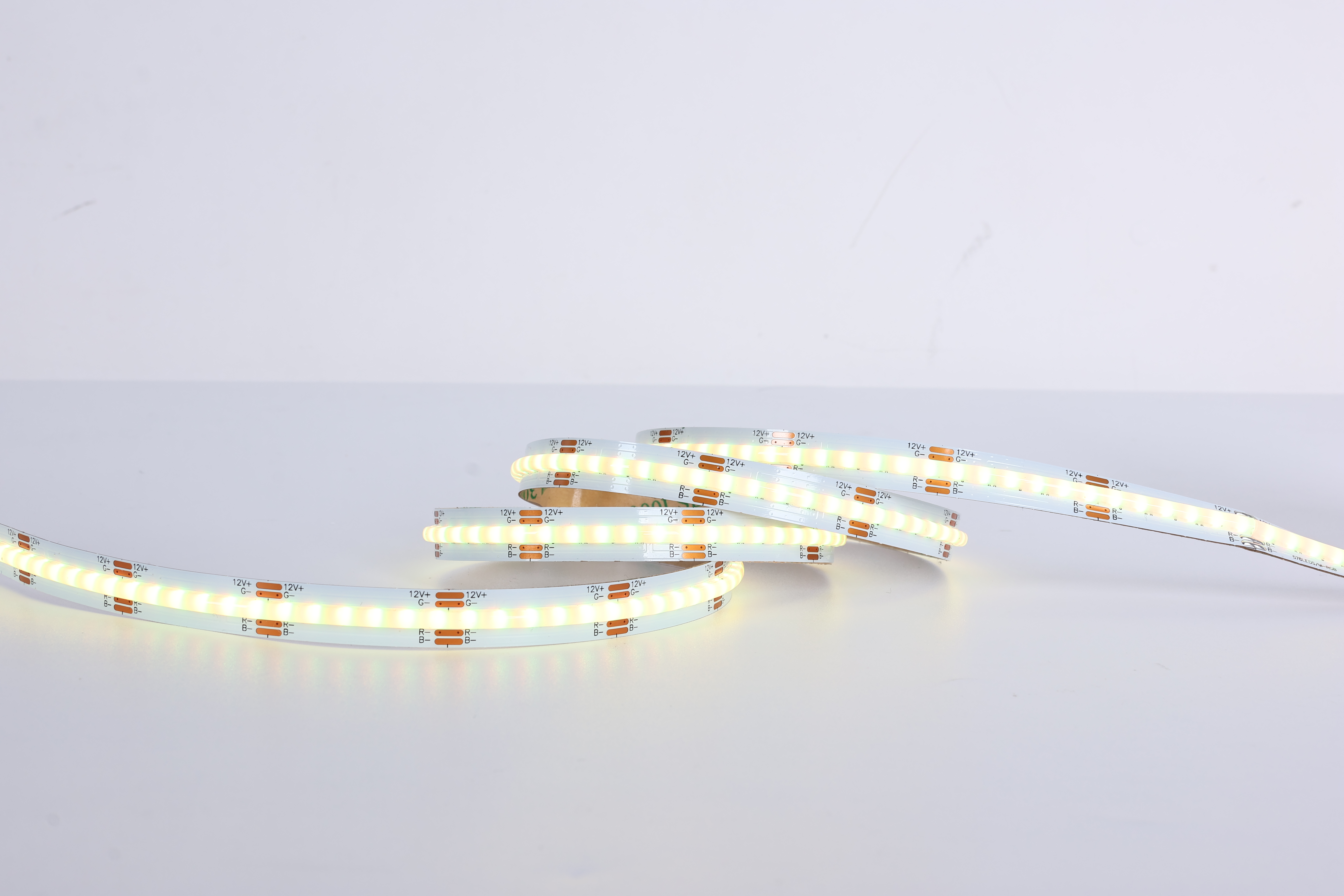
The lifespan of LED light strips is one of the most important considerations when planning any lighting installation, whether for residential or commercial applications. Unlike traditional incandescent or fluorescent lighting, LED light strips offer significantly extended operational life, often lasting 25,000 to 50,000 hours or more under normal conditions. Understanding how long your LED light strips will perform helps you make informed purchasing decisions and plan maintenance schedules effectively. This comprehensive guide explores the factors that influence longevity, real-world performance expectations, and practical strategies to maximize the lifespan of your lighting investment.
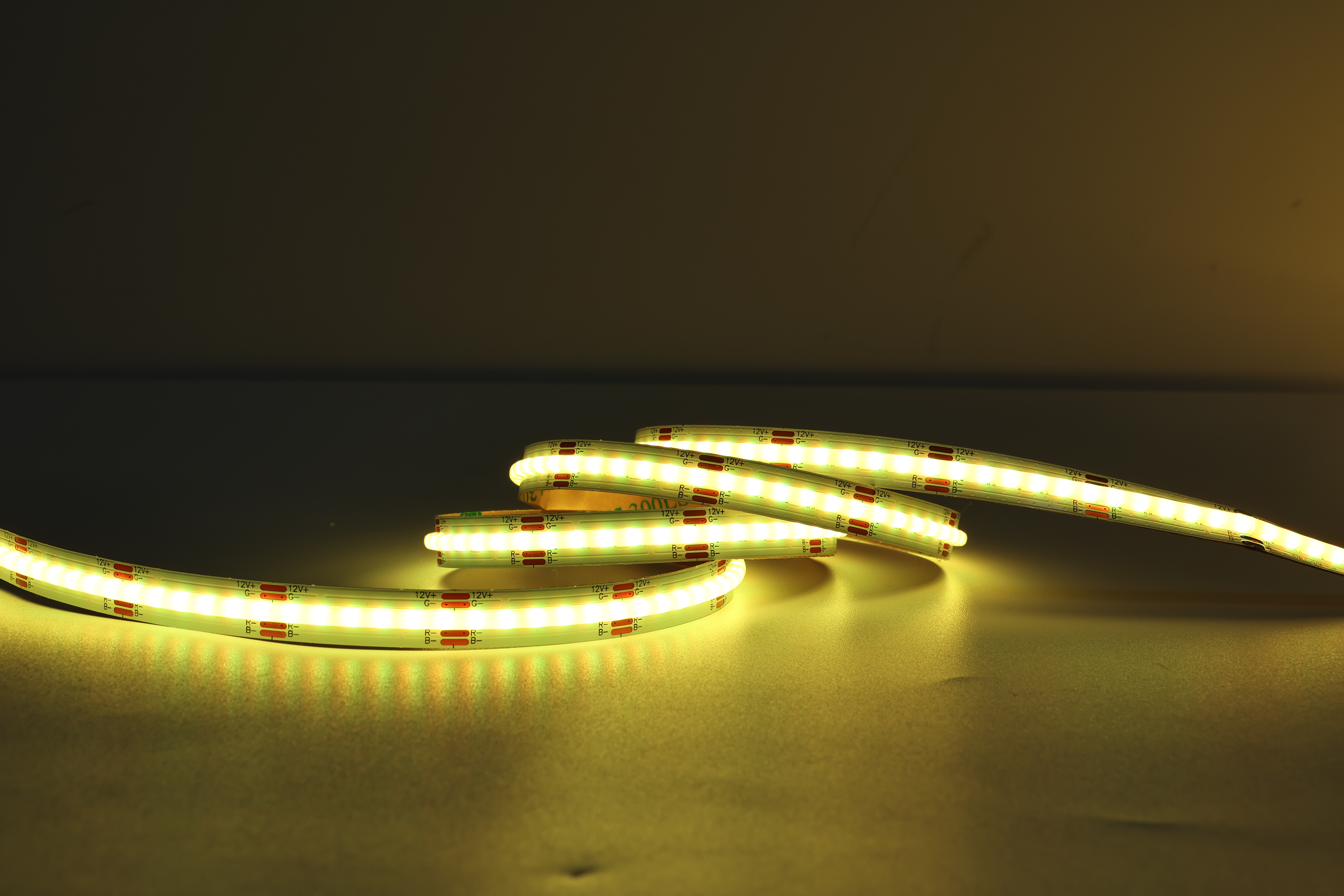
The durability of RGB light strips and smart strip lighting has made them increasingly popular in modern homes and businesses. These versatile lighting solutions provide both functional illumination and aesthetic appeal, but their actual lifespan depends on multiple interconnected factors including power supply quality, installation environment, usage patterns, and component manufacturing standards. By examining how these elements affect performance, you can better predict when your flexible LED tape lights will need replacement or maintenance interventions.
Understanding LED Light Strip Lifespan Fundamentals
Standard Operating Hours and Rated Lifespan
Most manufacturers rate LED light strips with an expected lifespan between 25,000 and 100,000 hours, depending on quality and design specifications. This translates to approximately three to eleven years of continuous operation or significantly longer when used intermittently. The rated lifespan typically represents the time until light output diminishes to 70 percent of the original brightness, a standard measurement in the LED industry known as the 'L70 point'. Understanding this metric helps explain why older LED light strips may still function while producing noticeably dimmer illumination than when newly installed.
Quality Tiers and Manufacturing Variations
Not all RGB light strips are manufactured to identical quality standards, and this variation directly impacts longevity. Premium-grade flexible LED tape lights use higher-quality LED chips, better thermal management components, and more reliable solder joints, resulting in extended operational life. Budget options may achieve lower price points but often sacrifice component durability and consistency. Investing in reputable brands and quality certifications typically yields lighting systems that perform reliably for years longer than cheaper alternatives, making the initial cost difference economical over the product lifecycle.
Key Factors Affecting LED Light Strip Longevity
Thermal Management and Operating Temperature
Temperature control stands as one of the most critical factors determining how long your flexible LED tape lights will last. LED chips generate heat during operation, and inadequate heat dissipation accelerates degradation of internal components and solder connections. Smart strip lighting installations that incorporate quality heatsinks, proper spacing from nearby surfaces, and adequate airflow will experience significantly longer service life than poorly ventilated installations. Environments exceeding 60 degrees Celsius can cut expected lifespan in half, while well-cooled installations operating near room temperature may achieve the upper end of manufacturer ratings. When planning installation locations, always ensure sufficient ventilation behind or beneath your LED light strips.
Power Supply Quality and Electrical Stability
The power supply driving your RGB light strips fundamentally affects longevity. High-quality, regulated power supplies maintain consistent voltage and current delivery, protecting LED components from damage caused by electrical fluctuations and power surges. Inferior power supplies may subject your smart strip lighting to unstable power delivery, dramatically shortening lifespan through cumulative stress on electronic components. Additionally, using power supplies rated for higher wattage than your specific installation provides better stability and reduces the likelihood of premature failure. Investing in certified power supplies designed specifically for LED applications protects your entire lighting system and extends overall operational life significantly.
Installation Method and Environmental Exposure
How and where you install flexible LED tape lights affects their durability considerably. Indoor installations in climate-controlled environments where LED light strips remain protected from moisture, dust, and temperature extremes typically achieve their rated lifespan. Outdoor or high-humidity installations require waterproof-rated flexible LED tape lights and proper sealing to prevent moisture ingress, which can corrode connections and components. Installations subject to vibration, mechanical stress, or frequent handling may experience premature failure of solder joints. Using proper mounting hardware, protective silicone sleeves, and strategic placement away from potential damage sources helps preserve your RGB light strips throughout their operational life.
Maximizing LED Light Strip Performance and Longevity
Maintenance Practices and Usage Optimization
Regular maintenance extends the practical lifespan of smart strip lighting systems substantially. Periodically cleaning dust accumulation from your LED light strips prevents heat buildup and maintains optimal thermal performance. Inspecting connections and power supplies regularly identifies potential issues before they cause component failure or complete system malfunction. Additionally, avoiding continuous maximum brightness operation reduces thermal stress and extends lifespan compared to systems run at full intensity constantly. Programming smart strip lighting to use lower brightness settings during extended operational periods, or scheduling rest periods when lighting isn't needed, dramatically improves long-term durability and reduces energy consumption simultaneously.
Component Replacement and System Upgrades
Understanding which components typically fail first allows for strategic maintenance planning. Power supplies often require replacement before LED chips themselves degrade, particularly in installations operating at high temperatures. RGB light strips may develop connection issues at solder points before the actual LED elements fail. Rather than replacing entire systems, upgrading individual failed components can extend overall system life cost-effectively. When dimming becomes noticeable, testing power supply output with appropriate equipment helps determine whether replacement of the supply or LED light strips themselves is necessary. Keeping replacement components on hand for critical installations minimizes downtime and ensures continued operation when individual parts require updating.
FAQ
Do RGB light strips last as long as standard white LED light strips?
RGB light strips generally have similar rated lifespans to white LED light strips when manufactured to comparable quality standards. The difference lies in driver complexity and thermal management. RGB light strips require additional color-mixing circuitry that generates marginally more heat, potentially reducing lifespan slightly if thermal management is inadequate. However, premium RGB light strips using quality components often achieve equivalent longevity to white alternatives. The key factor is selecting reputable manufacturers and ensuring proper installation with adequate cooling rather than focusing on color type alone.
Can smart strip lighting last longer than traditional LED light strips?
Smart strip lighting systems incorporate additional electronics for connectivity and control features, which theoretically could introduce additional failure points. However, modern smart strip lighting from quality manufacturers operates reliably and often achieves lifespans matching non-smart alternatives. Some users find that smart strip lighting's ability to reduce brightness automatically or run dimmer by default may actually extend lifespan by reducing thermal stress compared to installations always running at maximum output. The controlling factor remains component quality, thermal management, and power supply reliability rather than smart features themselves.
What warning signs indicate my LED light strips are approaching end-of-life?
LED light strips typically show gradual dimming before complete failure occurs. You may notice reduced brightness across the entire strip, color shifts particularly in RGB light strips, or certain segments dimming faster than others. Flickering or intermittent operation suggests power supply problems or connection issues. If flexible LED tape lights require increasingly higher controller settings to maintain desired brightness, or if specific color channels in RGB configurations perform inconsistently, component degradation is likely occurring. These symptoms indicate your flexible LED tape lights are nearing end-of-life, making replacement planning advisable before complete failure disrupts your lighting environment.
 EN