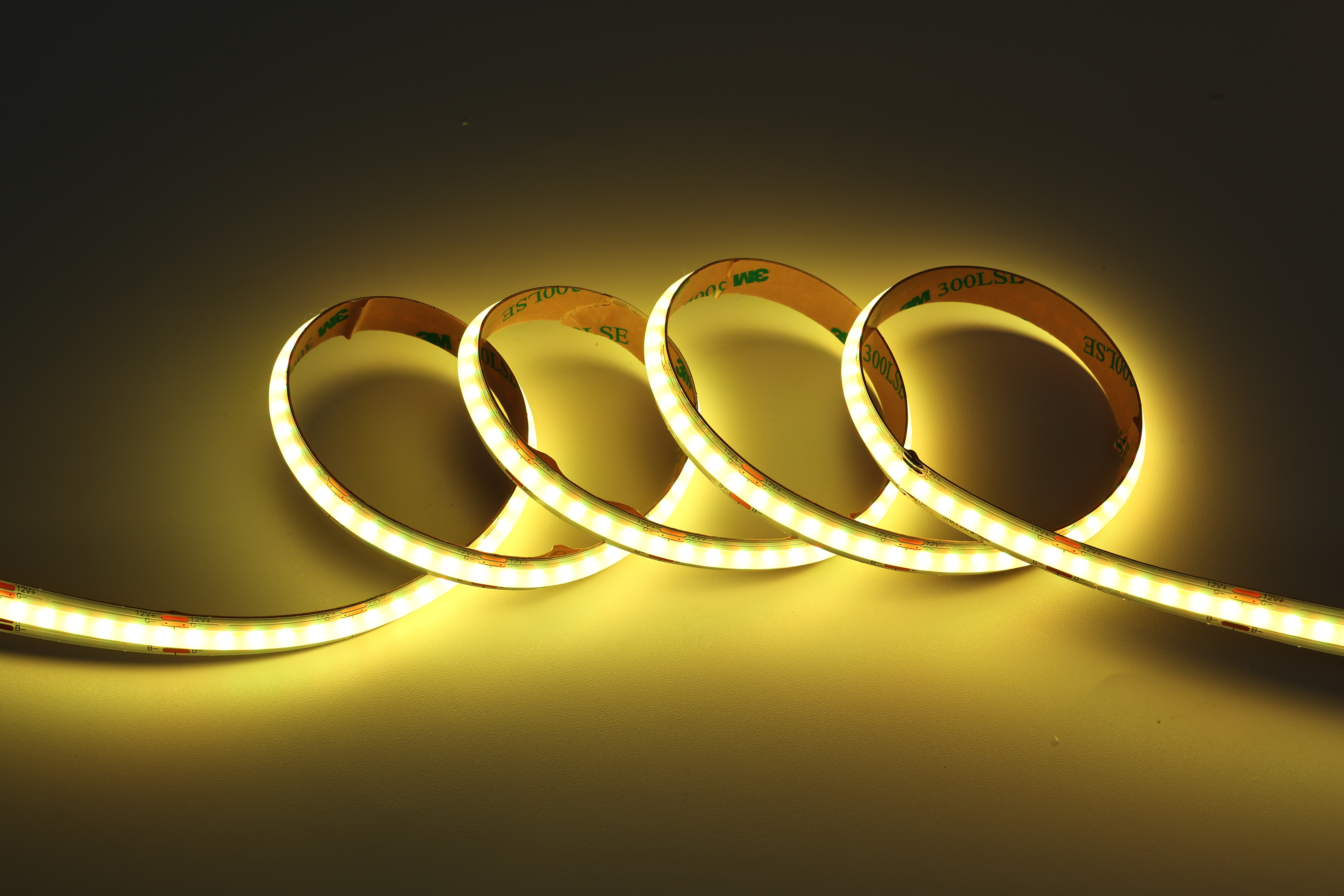
Understanding the longevity of an led strip is essential for anyone planning an investment in modern lighting solutions. Most quality LED strips last between 25,000 to 50,000 hours under normal operating conditions, which translates to approximately 3 to 6 years of continuous use or significantly longer if used intermittently. This extended lifespan makes LED strips a cost-effective choice compared to traditional lighting technologies, offering superior reliability and energy efficiency for residential, commercial, and industrial applications.
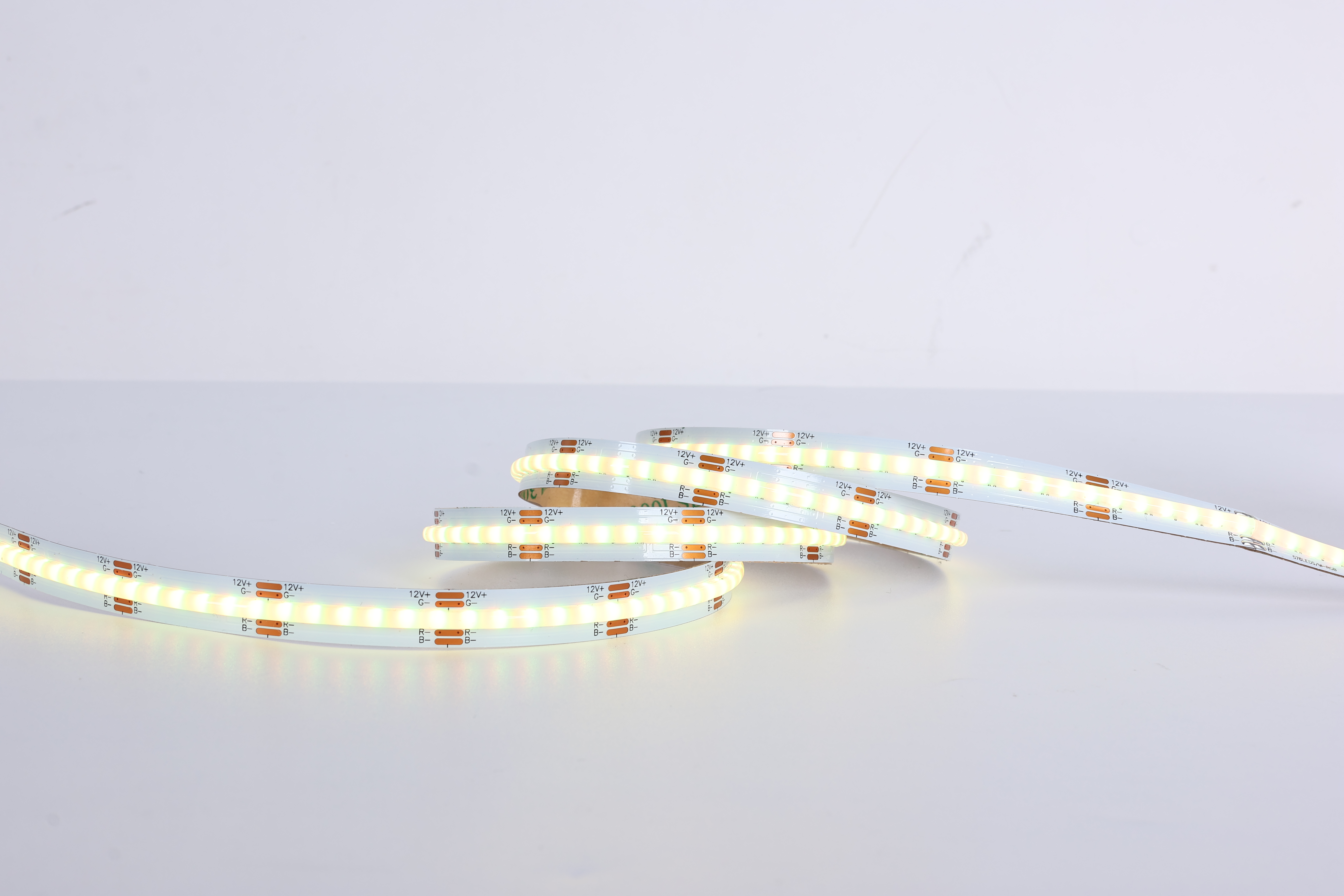
The actual lifespan of your lighting system depends on multiple variables including build quality, operating temperature, installation environment, and usage patterns. Premium RGB LED strip options often include enhanced components and better heat management, contributing to extended performance life. Understanding these factors helps you make informed decisions about which flexible LED lighting solution best suits your specific needs and budget considerations.
Core Factors Affecting LED Strip Lifespan
Component Quality and Manufacturing Standards
The quality of materials used in LED strip manufacturing directly influences how long your lighting remains functional. High-grade LEDs, robust circuit boards, and superior soldering techniques ensure that your led strip withstands environmental stress and thermal cycling over many years. Premium brands invest in rigorous quality control processes, testing each batch to verify performance standards before distribution. Conversely, cheaper alternatives may fail prematurely due to substandard components, poor heat dissipation, and inadequate electrical connections that degrade under continuous operation.
Operating Temperature and Heat Management
Heat is the primary enemy of LED longevity. When a led strip operates in high-temperature environments or lacks proper heat dissipation, its lifespan diminishes significantly. LEDs generate heat during operation, and if this thermal energy cannot escape efficiently, it accelerates degradation of internal components and reduces light output. Installing your RGB LED strip with adequate ventilation, using aluminum mounting channels, and ensuring proper spacing from heat sources all contribute to thermal management. Professional LED strip installation practices emphasize heat dissipation because even a 10-degree Celsius increase in operating temperature can reduce lifespan by 20 to 30 percent.
Environmental and Usage Conditions
Moisture, Humidity, and Environmental Exposure
The environment where you install flexible LED lighting dramatically affects durability. Outdoor installations, kitchens, bathrooms, and industrial settings expose LED strips to moisture, dust, and corrosive elements that accelerate component deterioration. IP-rated LED strips designed for wet environments include sealed casings and protective coatings that prevent water ingress and oxidation. Choosing the correct environmental rating during LED strip installation ensures your system survives humidity, condensation, and seasonal moisture cycles without premature failure. Indoor dry environments, by contrast, extend lifespan significantly because reduced moisture exposure minimizes corrosion risk.
Electrical Load and Power Supply Consistency
How you power your led strip affects its operational lifespan substantially. Voltage fluctuations, power surges, and inconsistent current delivery stress electronic components and reduce expected life. Using a stable, certified power supply rated for your specific led strip ensures consistent electrical delivery and prevents damage from over-voltage conditions. Many RGB LED strip systems include surge protection and voltage regulation features that safeguard against grid instability. Proper electrical installation, including appropriate fuses and protective circuits, creates a stable operating environment that extends your flexible LED lighting performance throughout its rated lifespan.
Usage Patterns and Maintenance Strategies
Operational Hours and Duty Cycle Impact
The number of hours your led strip operates daily directly determines how quickly it reaches the end of its rated life. A strip rated for 50,000 hours achieves approximately 13.7 years if operating 10 hours daily, but only 5.7 years if running 24 hours continuously. Commercial installations requiring constant illumination see faster degradation than residential applications with intermittent use. Understanding your specific usage pattern helps predict realistic lifespan and budget for replacement cycles. Scheduling downtime, implementing automatic timers, and rotating usage across multiple installations can extend the practical service life of RGB LED strip systems significantly.
Maintenance and Preventive Care
Regular maintenance dramatically extends led strip longevity. Cleaning dust and debris accumulation prevents thermal blockage and maintains optimal light output. Inspecting connections and ensuring tight electrical interfaces prevents power loss and voltage drop that stresses components. Protecting your flexible LED lighting from physical damage, excessive vibration, and mechanical stress preserves structural integrity. Monitoring color consistency and brightness gradually helps identify aging components early before complete failure occurs. Professional LED strip installation includes maintenance guidelines that, when followed consistently, can extend the practical lifespan beyond manufacturer ratings by 20 to 40 percent depending on environment and usage intensity.
Recognizing End-of-Life Indicators
Dimming and Color Degradation Signs
LED strips approaching end-of-life exhibit characteristic warning signs before complete failure. Gradual dimming, uneven brightness distribution, and color shift from the original specification indicate aging components losing efficiency. Some RGB LED strip systems show color inconsistency, with certain channels fading faster than others due to differential component degradation. These visual indicators typically appear long before total failure, providing advance notice for replacement planning. Monitoring light output and color accuracy over time helps facility managers schedule timely replacements and avoid unexpected outages affecting operations or customer experience.
Electrical Issues and Intermittent Failures
As a led strip ages, connection points degrade and components weaken, producing intermittent failures where sections flicker or fail to illuminate. Flickering often indicates poor electrical connections or failing driver circuits that cannot maintain consistent current. Sections of flexible LED lighting that extinguish unexpectedly suggest individual LED failure or open circuit conditions. These electrical failures typically precede total system shutdown by weeks or months, offering opportunity for planned replacement rather than emergency service calls. Understanding these failure patterns helps technicians diagnose aging systems and recommend timely upgrades before complete failure disrupts your lighting infrastructure.
FAQ
What causes premature LED strip failure?
Premature failure typically results from excessive heat, poor electrical power stability, moisture exposure in unsuitable environments, substandard component quality, and improper installation. LED strip installation in high-humidity areas without adequate IP ratings, mounting against surfaces that trap heat, connecting to unstable power supplies, and neglecting regular maintenance all accelerate component degradation. Additionally, physical damage, excessive vibration, and electrical surges from unprotected circuits can significantly shorten lifespan below manufacturer expectations.
Can proper installation extend LED strip lifespan?
Yes, professional LED strip installation extends lifespan substantially through proper heat dissipation, secure electrical connections, appropriate environmental protection, and stable power supply integration. Installing aluminum mounting channels provides thermal pathways that keep LEDs cool, reducing stress on components. Using surge-protected power supplies prevents voltage damage, while correct IP-rated housing protects against moisture intrusion in challenging environments. Tight mechanical mounting eliminates vibration-induced failures and connection degradation that reduce functional life.
How do I know when to replace my LED strips?
Replace LED strips when you observe significant dimming (typically 70 percent brightness loss indicates approaching end-of-life), persistent color shift in RGB LED strip systems, frequent flickering, complete section failures, or when they reach their rated operational hours. Most manufacturers recommend replacement when brightness drops below 70 percent of initial output, though this varies by application. Tracking installation date and monitoring light output allows proactive replacement scheduling before unexpected failures disrupt your facility's operations.
 EN