 EN

how-to-select-the-perfect-led-channel-for-your-project, how-to-select-the-perfect-led-channel-for-your-project, /news
EN
2026/10/07
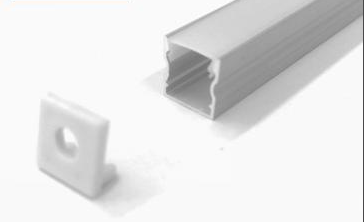
Selecting the right led channel is one of the most critical decisions when planning any lighting project. The right choice directly impacts the aesthetic appeal, thermal management, light distribution, and longevity of your installation. Whether you're designing architectural accent lighting, task illumination, or ambient environments, understanding how to evaluate led channel profile options ensures your project delivers both visual excellence and reliable performance.
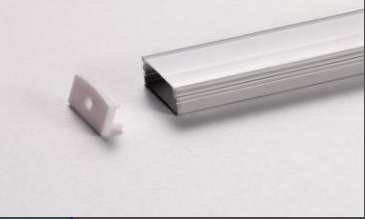
The growing variety of linear led lighting systems has made selection more nuanced than ever. Professional installers and design teams must balance practical considerations like space constraints, heat dissipation requirements, optical performance, and budget limitations. This guide walks through the core factors that differentiate aluminum led housing products and helps you identify which led channel profile truly fits your project's demands.
Modern aluminum led housing comes in distinct profiles designed for different mounting scenarios and aesthetic outcomes. Surface-mounted profiles sit flush against walls or ceilings, recessed channels embed strips into drywall for a seamless look, and corner channels fit into angled spaces for creative lighting effects. The aluminum led housing material itself provides thermal conductivity, structural rigidity, and a professional finish that plastic alternatives cannot match.
Each led channel profile variant addresses specific installation geometry and thermal considerations. Understanding these differences prevents costly rework and ensures your linear led lighting system performs optimally throughout its lifecycle. Aluminum's natural heat-dissipation properties make it especially valuable in continuous-duty applications where LEDs generate sustained thermal load.
The diffuser you pair with your led channel directly shapes light output and visual perception. Clear acrylic diffusers maximize brightness and create distinct light points, while frosted options deliver even, soft illumination ideal for accent or ambient applications. Some led channel profile designs allow tool-free diffuser installation, reducing labor costs during assembly and maintenance phases.
Choosing between clear and frosted diffusers depends on your project's color temperature requirements and desired visual effect. A linear led lighting system with inappropriate diffusion can produce glare, uneven patches, or wasted light spill that undermines design intent and energy efficiency targets.
Thermal management is a primary reason to invest in quality aluminum led housing rather than budget alternatives. LEDs generate heat during operation, and inadequate dissipation accelerates lumen depreciation and shortens lifespan significantly. A high-performance led channel profile with proper thermal contact to your LED strips can extend operational life by several thousand hours compared to poor-conductivity enclosures.
Industrial and commercial environments especially demand robust thermal performance because continuous operation amplifies heat stress. When evaluating led channel options, inspect the base contact area and material thickness that interfaces with your light source. Professional-grade aluminum led housing typically features design features that maximize thermal conductivity while maintaining structural integrity.
Your available mounting space directly narrows the led channel profile options available. Low-profile recessed channels fit into thin drywall or shelving applications where oversized housings cannot physically install. Conversely, larger led channel designs provide additional heat dissipation surface and accommodate wider LED strips with multiple color channels or higher power density.
Measuring your available depth, width, and length constraints before selecting a led channel profile prevents specification errors that delay projects. Some aluminum led housing options include mounting clips, while others require custom brackets, influencing both material costs and labor investment. Early consultation with your installation team helps identify which linear led lighting channel best suits your specific geometry.
Design-forward projects benefit from led channel profile systems that combine aesthetic finishes with reliable performance. Anodized aluminum led housing in colors like black, silver, or bronze complements contemporary and traditional architectural styles. Linear led lighting in these applications often emphasizes the quality of light diffusion and the visual sophistication of the housing itself as part of the overall design composition.
Corner and specialty led channel profile configurations enable creative installations that highlight architectural features or create layered ambient effects. The right aluminum led housing becomes an intentional design element rather than a utilitarian necessity, elevating the perceived quality of the entire lighting scheme.
Functional environments prioritize durability, maintenance accessibility, and reliable light output over aesthetic considerations. Industrial-duty aluminum led housing withstands vibration, temperature fluctuation, and physical handling that would degrade lower-quality alternatives. A robust led channel profile in these settings reduces downtime and replacement frequency, directly lowering total cost of ownership.
Task lighting installations benefit from linear led lighting systems with tool-free maintenance access and readily available replacement diffusers. Selecting a led channel profile from established product lines ensures spare parts availability and consistent performance across multiple installations in the same facility.
Professional-grade aluminum led housing typically features material thickness between 2.5mm and 4mm, providing excellent thermal conductivity while maintaining structural rigidity. Thinner profiles reduce cost but compromise heat dissipation, potentially shortening LED lifespan in continuous-duty applications. Thicker aluminum led housing generally accommodates larger LED strips and delivers superior thermal management, justifying the additional investment for demanding commercial projects.
Many universal led channel profile designs work across residential, commercial, and industrial applications, though material durability varies. Residential installations often tolerate lighter-duty aluminum led housing, while commercial environments demand heavier gauge materials and superior thermal performance. Selecting a led channel profile rated for commercial duty ensures compatibility across multiple project types and future-proofs your investment.
Aluminum led housing dramatically outperforms plastic in thermal conductivity, dimensional stability, and longevity. Plastic led channel profile products generate heat buildup around LEDs, reducing lifespan and increasing maintenance frequency. While aluminum led housing costs more upfront, superior thermal management and durability deliver substantially lower lifetime costs, making it the preferred choice for any permanent or high-use linear led lighting installation.
