 EN

how-do-temperature-and-voltage-impact-diodes-and-leds, how-do-temperature-and-voltage-impact-diodes-and-leds, /news
EN
2026/10/19
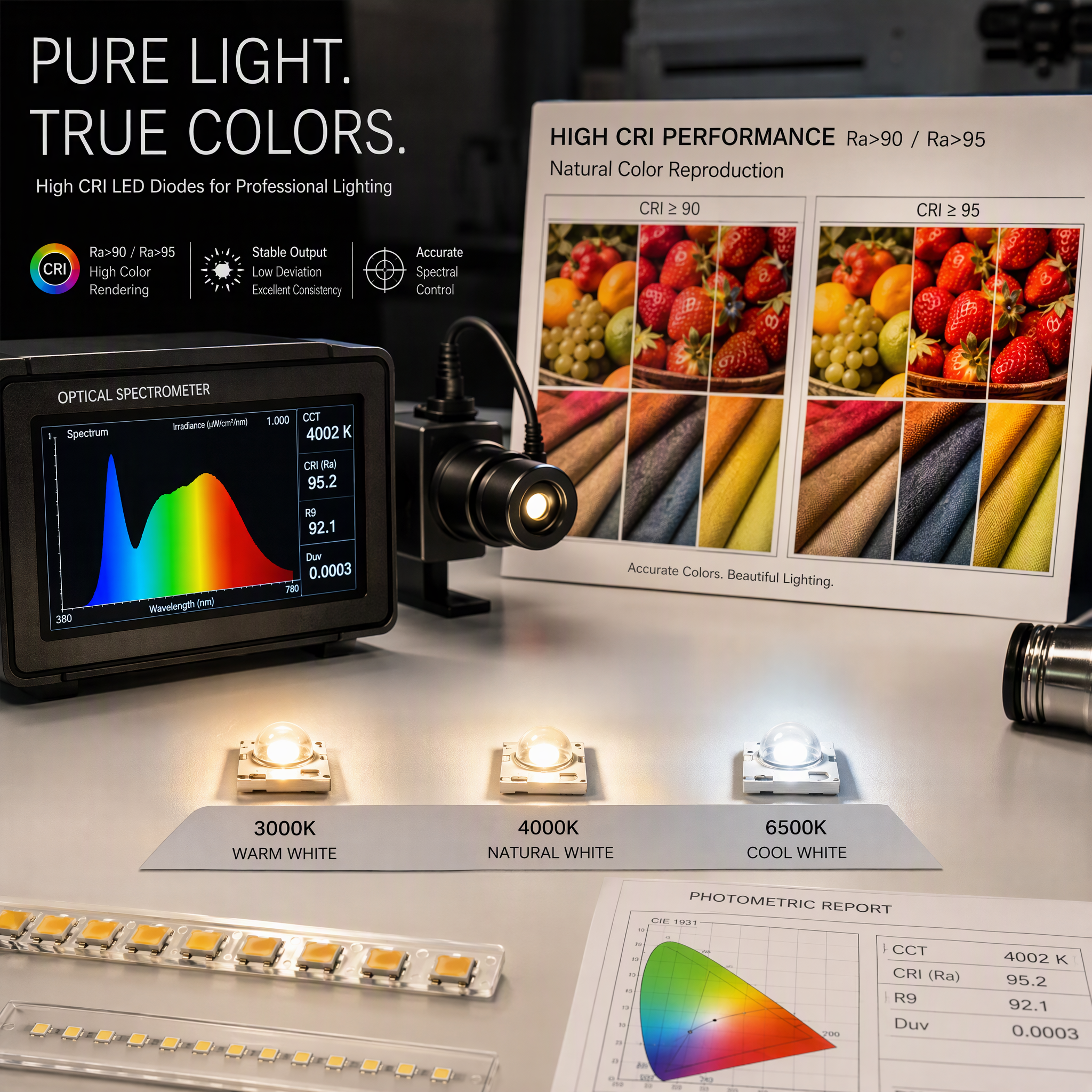
Temperature and voltage are two of the most critical environmental factors that directly influence the performance and longevity of diodes and leds in modern electronics. Understanding how these parameters interact with semiconductor light emitting devices is essential for engineers, designers, and anyone working with electronic systems. Both factors can dramatically alter light output, color accuracy, operational lifespan, and overall reliability. When diodes and leds are subjected to extreme temperatures or unstable voltage levels, degradation accelerates rapidly, leading to premature failure and increased maintenance costs across industrial applications.
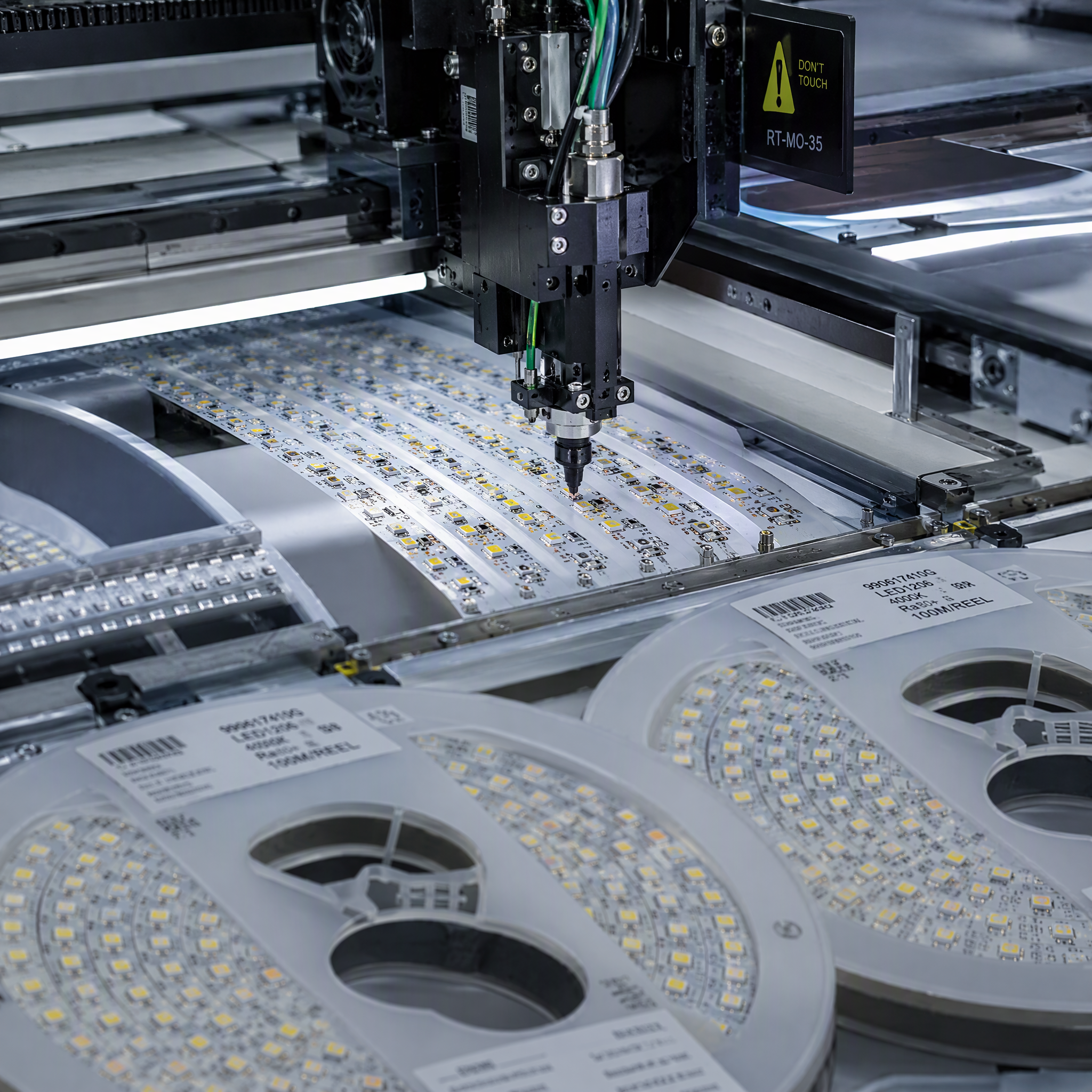
The relationship between environmental conditions and semiconductor performance is not linear. Small changes in temperature or voltage can produce exponential effects on device behavior, especially for precision applications like photodiode applications and high-efficiency lighting systems. Industrial facilities, automotive systems, and data centers all depend on precise control of these variables to maintain consistent output and prevent costly downtime. This article explores the fundamental mechanisms behind temperature and voltage effects on semiconductor light emitting devices, offering practical insights for optimizing led efficiency and performance across diverse operating environments.
Temperature has a profound impact on the characteristics of diodes and leds, primarily affecting the energy levels within the semiconductor structure. As temperature increases, the bandgap energy of the semiconductor decreases, which causes the wavelength of emitted light to shift toward longer wavelengths. This phenomenon, known as wavelength drift, is particularly problematic in color-critical applications where precise hue matching is required.
Higher temperatures accelerate non-radiative recombination processes within the material, reducing the quantum efficiency of semiconductor light emitting devices. This means fewer charge carriers produce actual light, and more energy is wasted as heat instead. For diodes and leds operating in high-ambient-temperature environments, the reduction in brightness can reach 50 percent or more compared to rated performance at 25 degrees Celsius.
Effective thermal management is essential for maintaining reliable semiconductor light emitting devices performance and extending operational life. Every ten-degree Celsius increase in operating temperature typically reduces the expected lifespan by half, according to Arrhenius degradation models widely used in reliability engineering. This exponential relationship means that poor heat dissipation can turn a device rated for 50,000 hours into one that fails within 10,000 hours.
Modern lighting systems incorporate heat sinks, thermal interface materials, and active cooling solutions to manage junction temperature carefully. Industrial applications involving photodiode applications and high-power semiconductor light emitting devices demand sophisticated thermal design to maintain stability. Without proper thermal management, the cumulative effect of heat stress creates a cascading failure mode where rising temperature causes increased power dissipation, which generates more heat, accelerating degradation.
The relationship between applied voltage and diode behavior is fundamental to understanding semiconductor light emitting devices operation. When forward voltage exceeds the threshold voltage specific to each diode type, current flows through the junction and light emission begins. However, the relationship is highly non-linear. Small increases above the threshold can cause exponential increases in current, which generates significant heat and potentially causes thermal runaway if unchecked. This is why current-limiting resistors or constant-current drivers are essential when operating diodes and leds in practical circuits.
Reverse voltage application across diodes creates a depletion region that blocks current flow, but excessive reverse voltage can cause breakdown and permanent damage. For semiconductor light emitting devices, maintaining voltage within tight tolerances is critical for preventing catastrophic failure. Forward voltage specifications typically have a tolerance range of plus-or-minus 0.2 volts, and exceeding these limits rapidly degrades junction quality. The interplay between applied voltage and led efficiency and performance is direct: overvoltage causes accelerated brightness degradation and color shift, while undervoltage produces dim output and unreliable photodiode applications performance.
Power supply stability directly determines the reliability of semiconductor light emitting devices in field applications. Voltage ripple, transient spikes, and supply variations are common in industrial environments, automotive systems, and grid-powered installations. These fluctuations cause rapid cycling of forward current through diodes and leds, accelerating electromigration in metallic interconnects and creating mechanical stress at junction interfaces. Each voltage transient represents a micro-stress event that accumulates over time, eventually leading to failure when damage reaches critical levels.
Constant-current drive circuits protect diodes and leds from voltage variations by regulating current rather than voltage. This approach maintains consistent light output and led efficiency and performance regardless of supply fluctuations. Modern lighting systems use active voltage regulation, clamp circuits, and surge protection to shield semiconductor light emitting devices from harmful transients. In photodiode applications where precise signal detection is required, voltage stability becomes even more critical because noise and drift directly compromise measurement accuracy.
The most challenging operating scenarios occur when temperature and voltage stresses act simultaneously on semiconductor light emitting devices. High temperature reduces forward voltage and increases current for a given applied voltage, creating a positive feedback loop that accelerates degradation. When combined with voltage fluctuations or overvoltage conditions, this dual stress dramatically shortens device life compared to what either factor alone would predict. The actual failure rate under combined stress often exceeds the sum of individual failure rates, demonstrating the non-linear interaction between environmental factors in diodes and leds.
Engineers must design systems with simultaneous control of both temperature and voltage to optimize led efficiency and performance. This requires integrated thermal management working in coordination with precise power supply regulation. Redundant sensor systems monitor both junction temperature and supply voltage in real-time, allowing active compensation through dynamic current adjustment. Advanced semiconductor light emitting devices in aerospace and medical applications often include built-in thermal sensors and integrated current regulation to maintain performance across extreme environmental ranges.
Selecting appropriate diodes and leds for specific applications requires careful consideration of thermal and electrical operating ranges. Devices rated for wider temperature ranges command premium prices but deliver exceptional reliability in variable environments. Similarly, semiconductor light emitting devices with higher forward voltage ratings tolerate supply variations better than lower-rated alternatives. Photodiode applications often benefit from premium-grade components with tighter specifications because signal fidelity directly impacts system accuracy.
Implementing derating strategies during design protects long-term led efficiency and performance. Operating devices at 70 to 80 percent of maximum rated current keeps junction temperatures lower and extends lifespan substantially. Heat dissipation calculations should assume worst-case ambient temperatures, and power supplies should include 20 to 30 percent capacity margins above peak demand. By designing systems where semiconductor light emitting devices operate well within specifications rather than at their limits, engineers achieve superior reliability, lower maintenance costs, and consistent performance throughout the intended product lifetime. This conservative approach to diodes and leds selection proves most cost-effective when considering total lifecycle expenses.
As temperature increases, the bandgap energy of semiconductor light emitting devices decreases, causing the wavelength to shift toward red wavelengths. This phenomenon, called junction temperature drift, causes cool-white LEDs to appear warmer at elevated temperatures. Additionally, phosphor materials used in LEDs can degrade and shift color at high temperatures. For precision color applications, active temperature control and compensation circuits are necessary to maintain consistent diodes and leds output throughout the operating range.
Overvoltage creates exponential increases in forward current through diodes and leds, generating excessive heat at the junction and accelerating electromigration in metallic conductors. Even moderate overvoltage of 10 to 15 percent reduces semiconductor light emitting devices lifespan by 50 percent or more. Voltage spikes from switching transients or supply instability add cumulative damage that eventually exceeds the material's mechanical and electrical strength. Protecting circuits with surge suppressors and regulated current sources prevents these failures and preserves led efficiency and performance.
Photodiode applications can function at elevated temperatures, but performance degrades as temperature rises. Dark current increases exponentially with temperature, reducing signal-to-noise ratio and detection sensitivity. The responsivity of semiconductor light emitting devices also decreases at higher temperatures. Industrial photodiode applications requiring high reliability use thermoelectric coolers or careful thermal management to maintain junction temperatures within specification ranges. By combining temperature control with appropriate circuit design, reliable photodiode applications are achievable even in harsh industrial environments where diodes and leds must withstand significant thermal stress.
