EN

cob-led-strip-light-24v-dc-252-leds/m-1000-lumens-2700k-6500k-options-for-under-cabinet--cove-lighting, cob-led-strip-light-24v-dc-252-leds/m-1000-lumens-2700k-6500k-options-for-under-cabinet--cove-lighting, /cob-flex-strip-light
EN
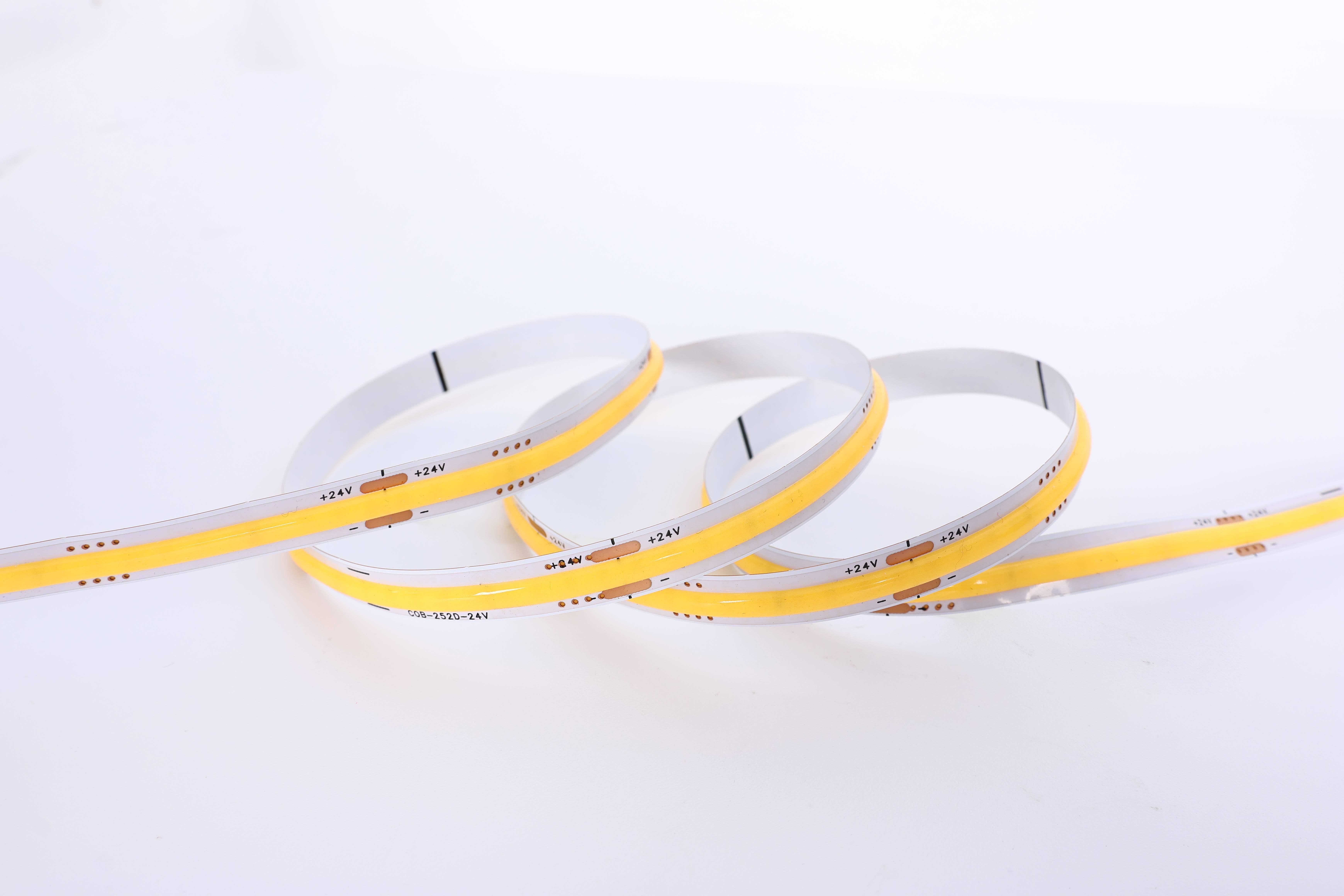
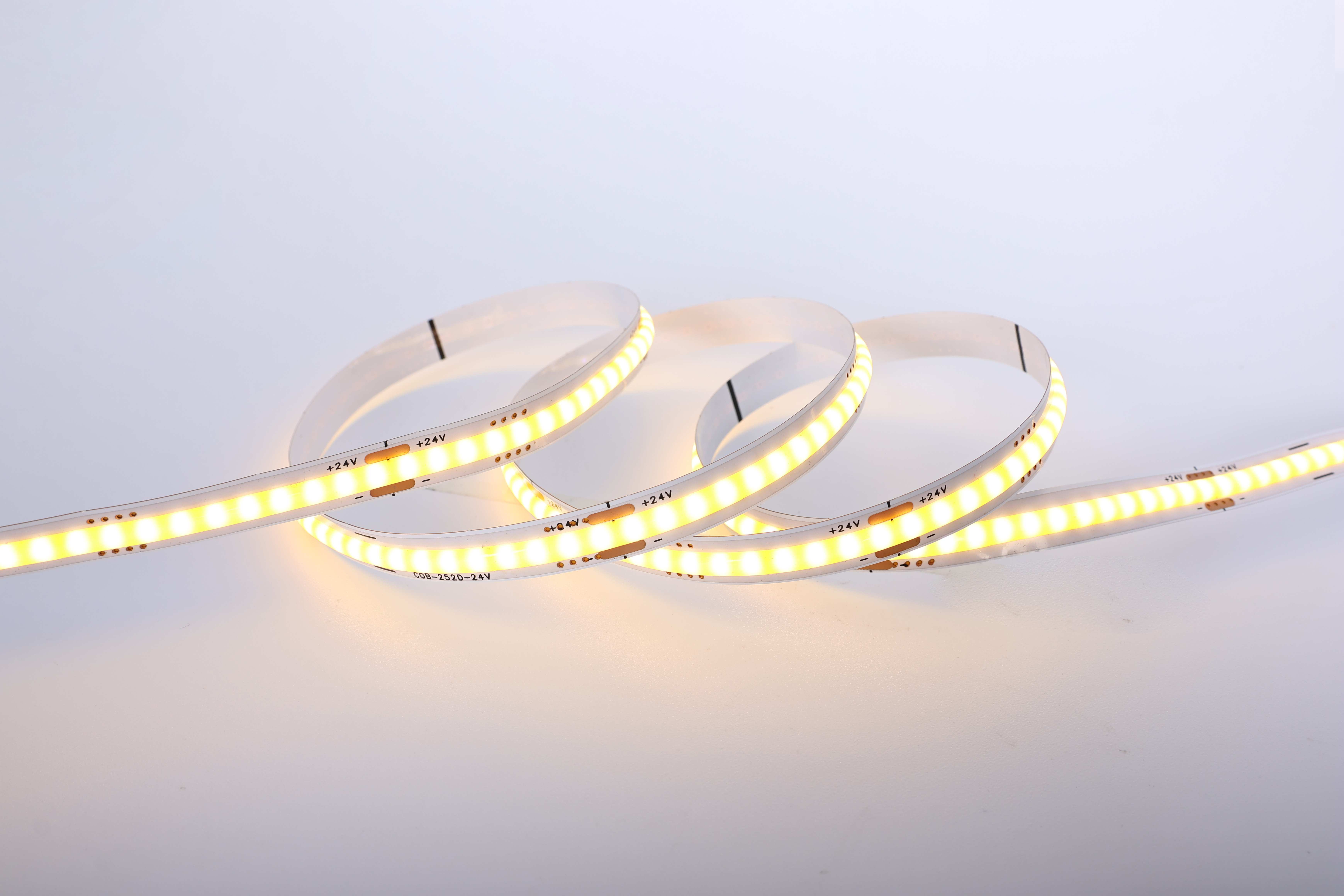
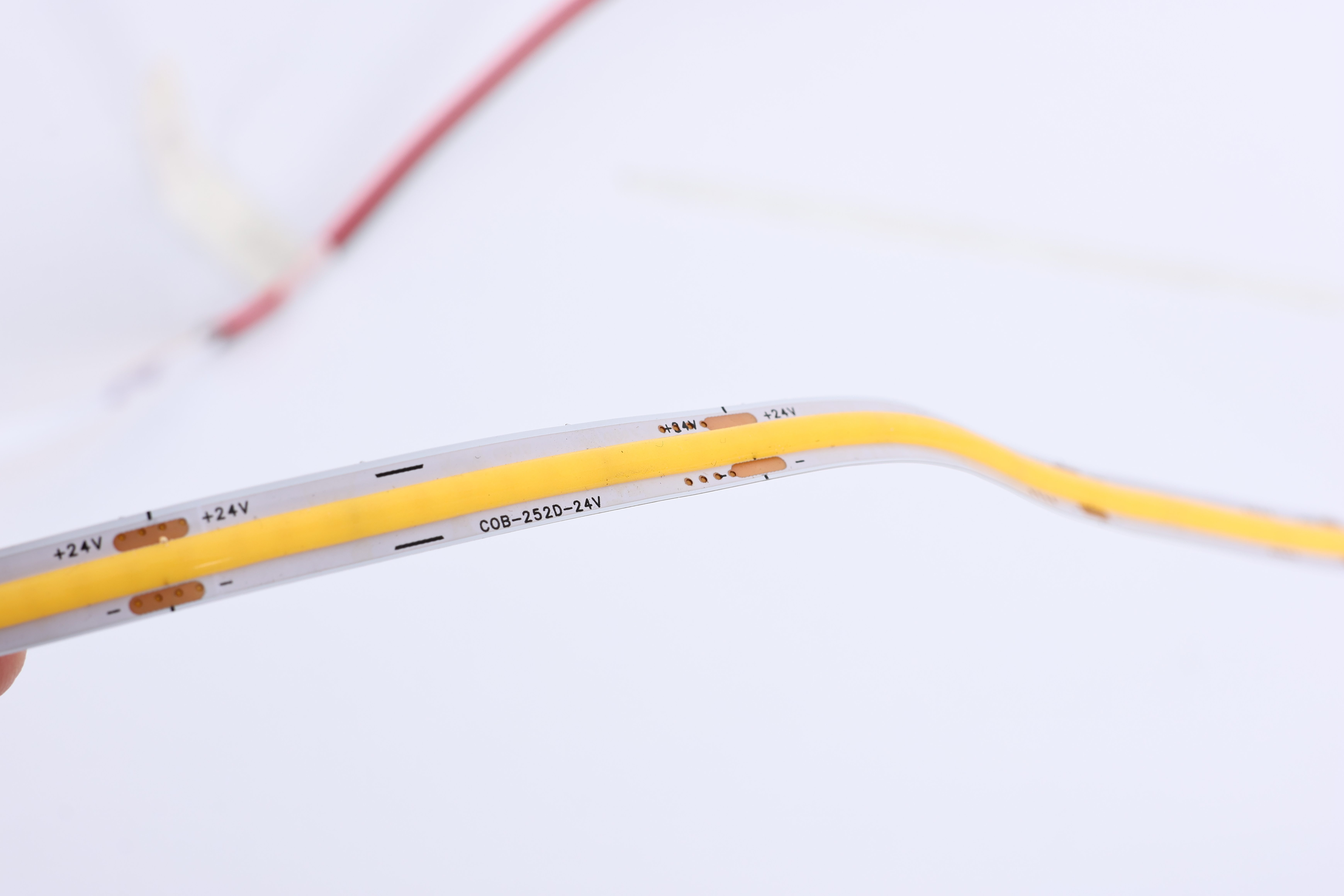
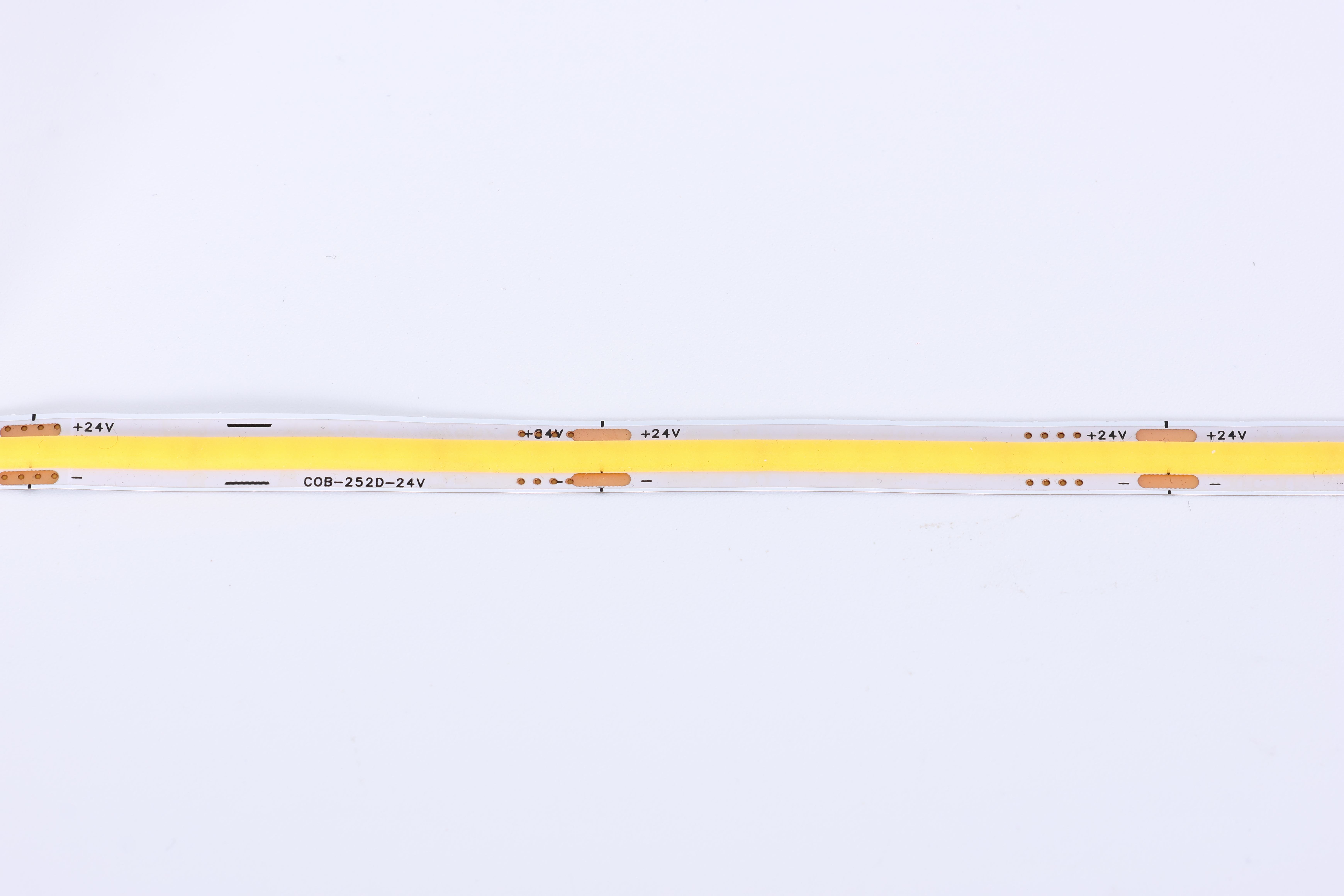
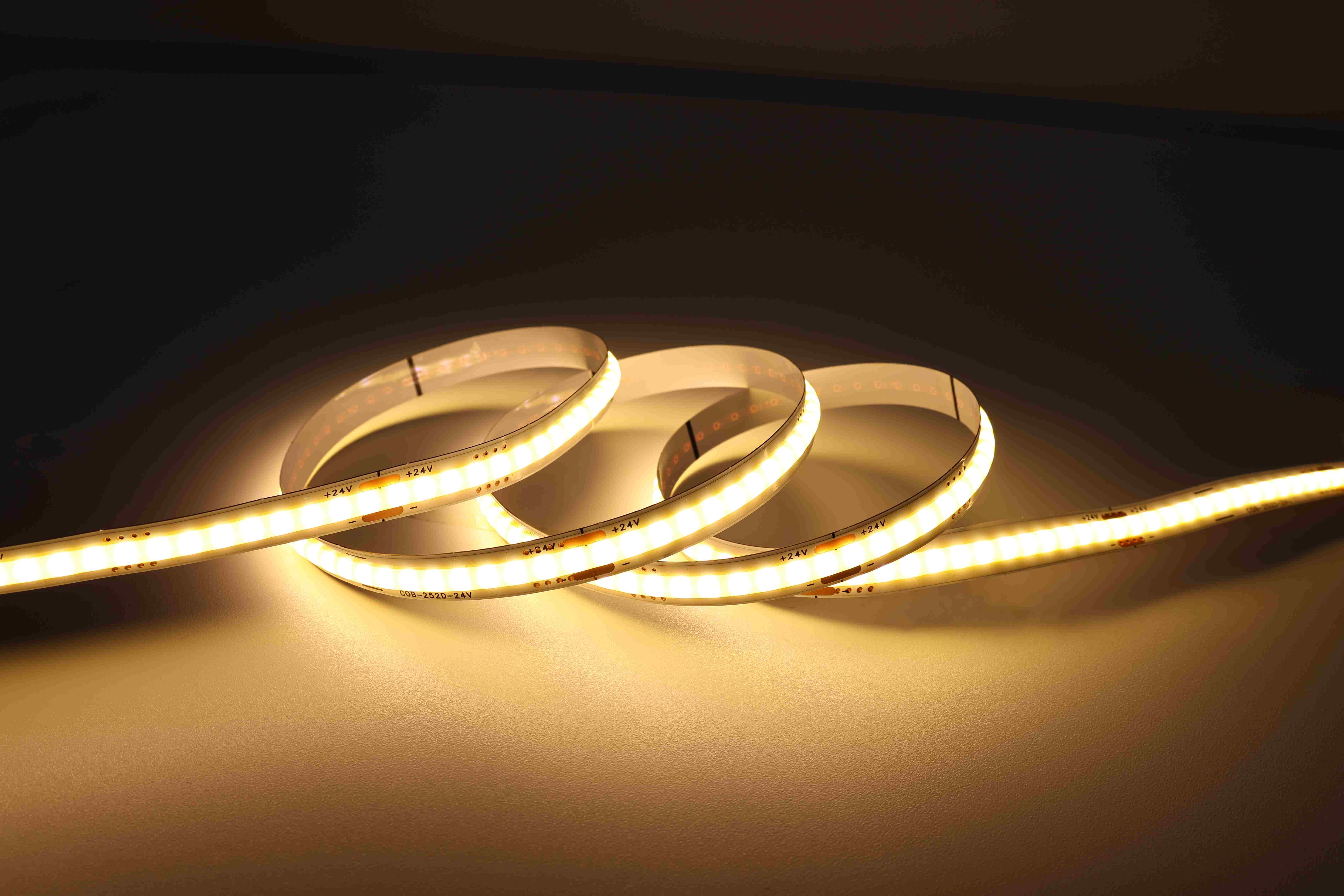
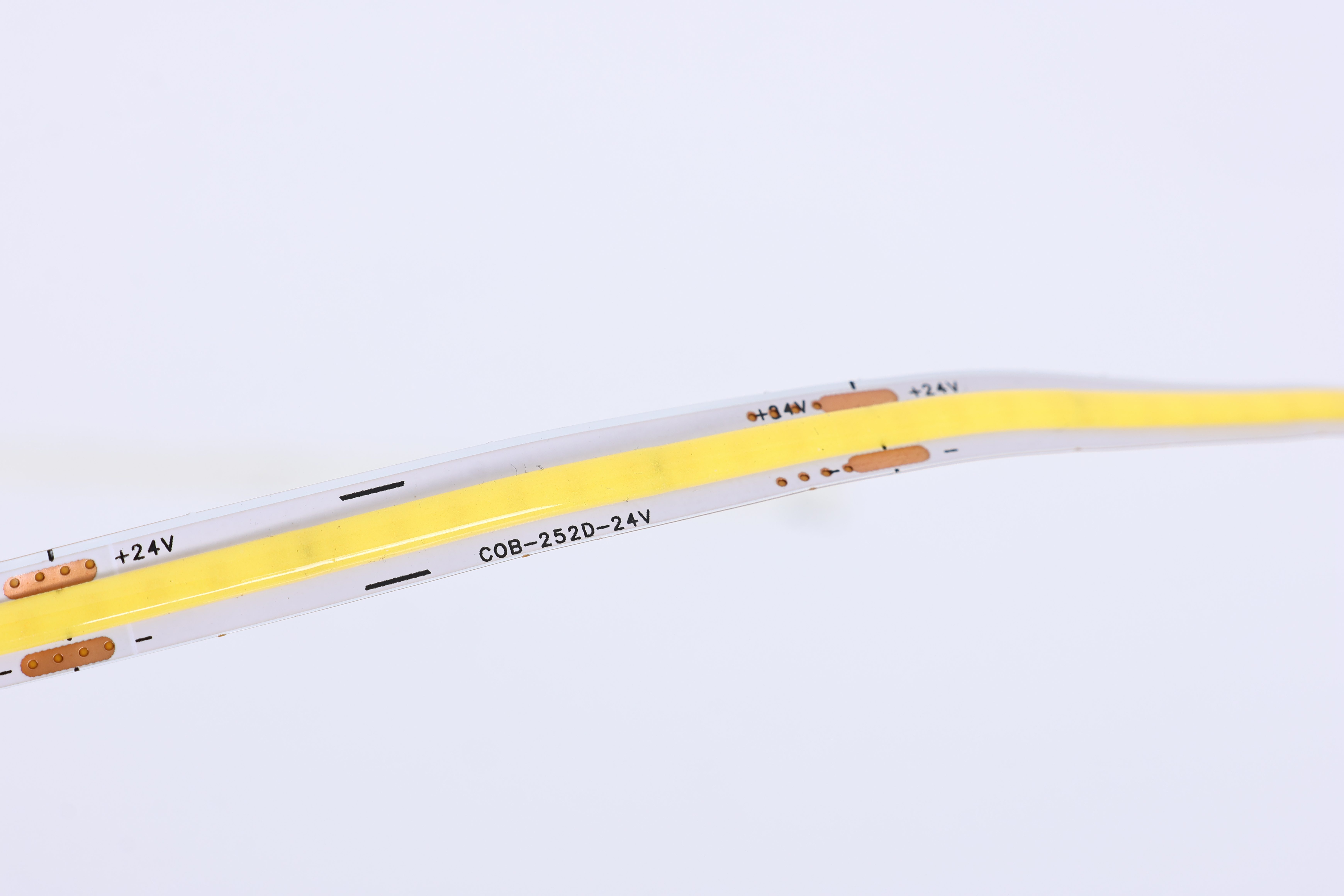
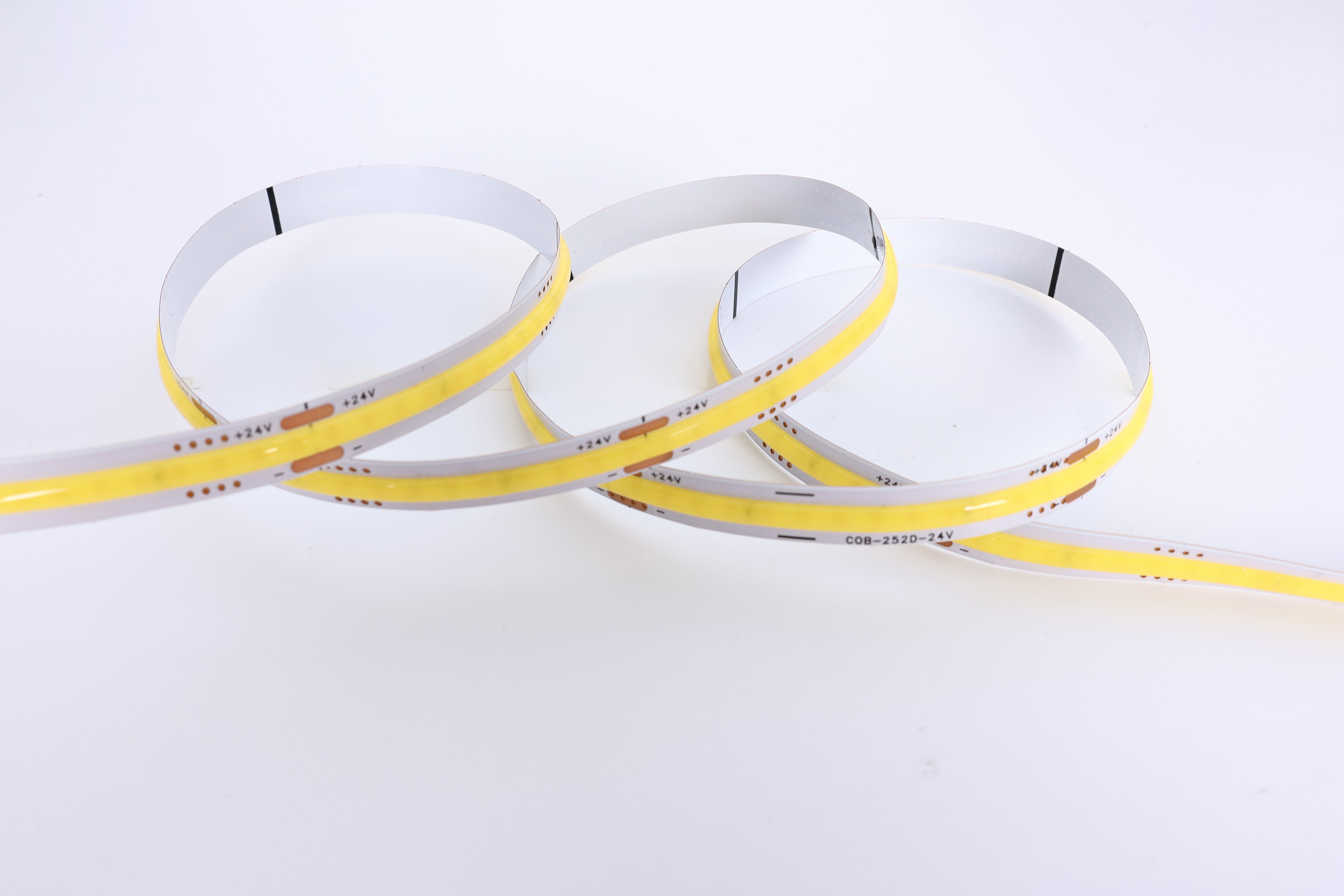
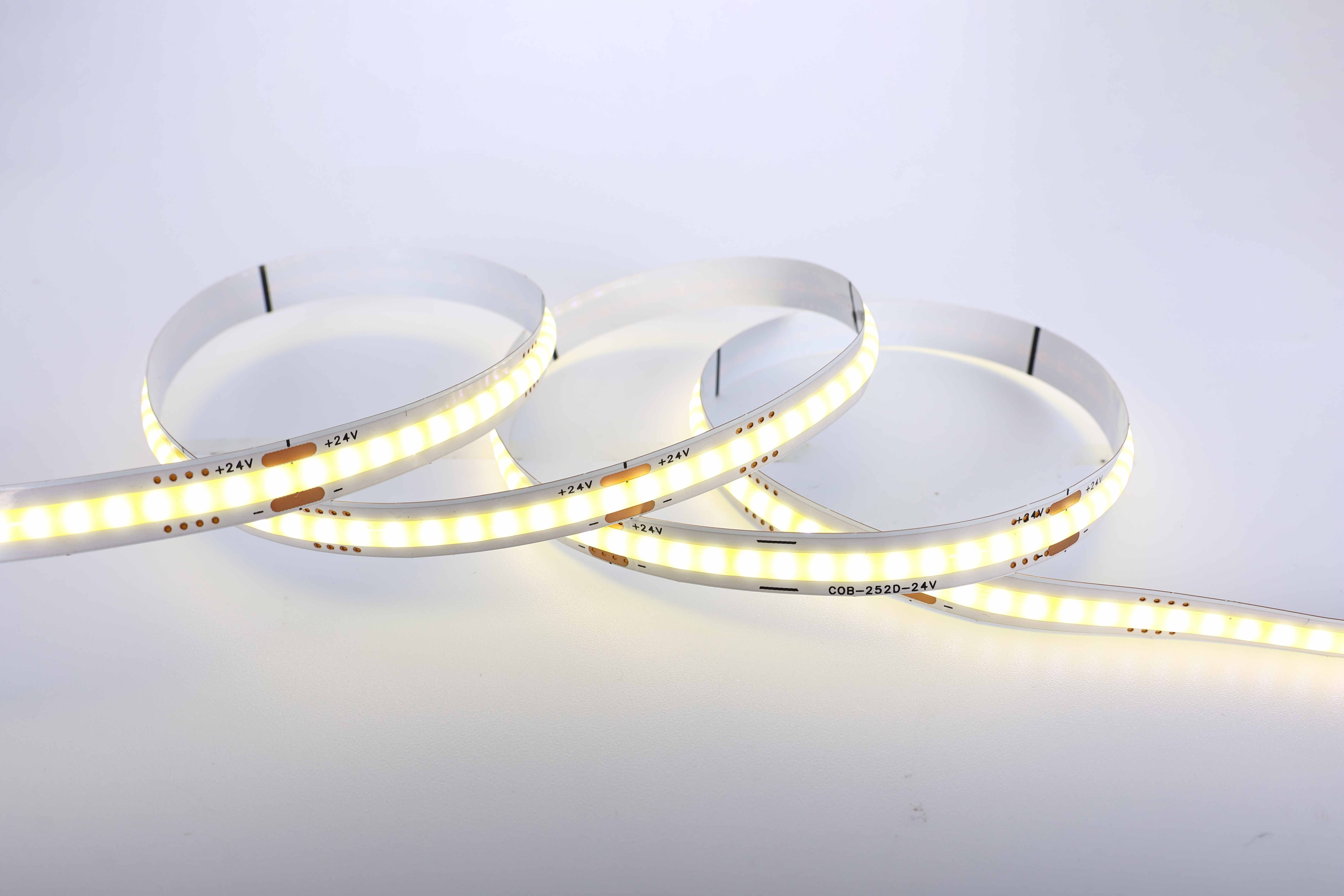
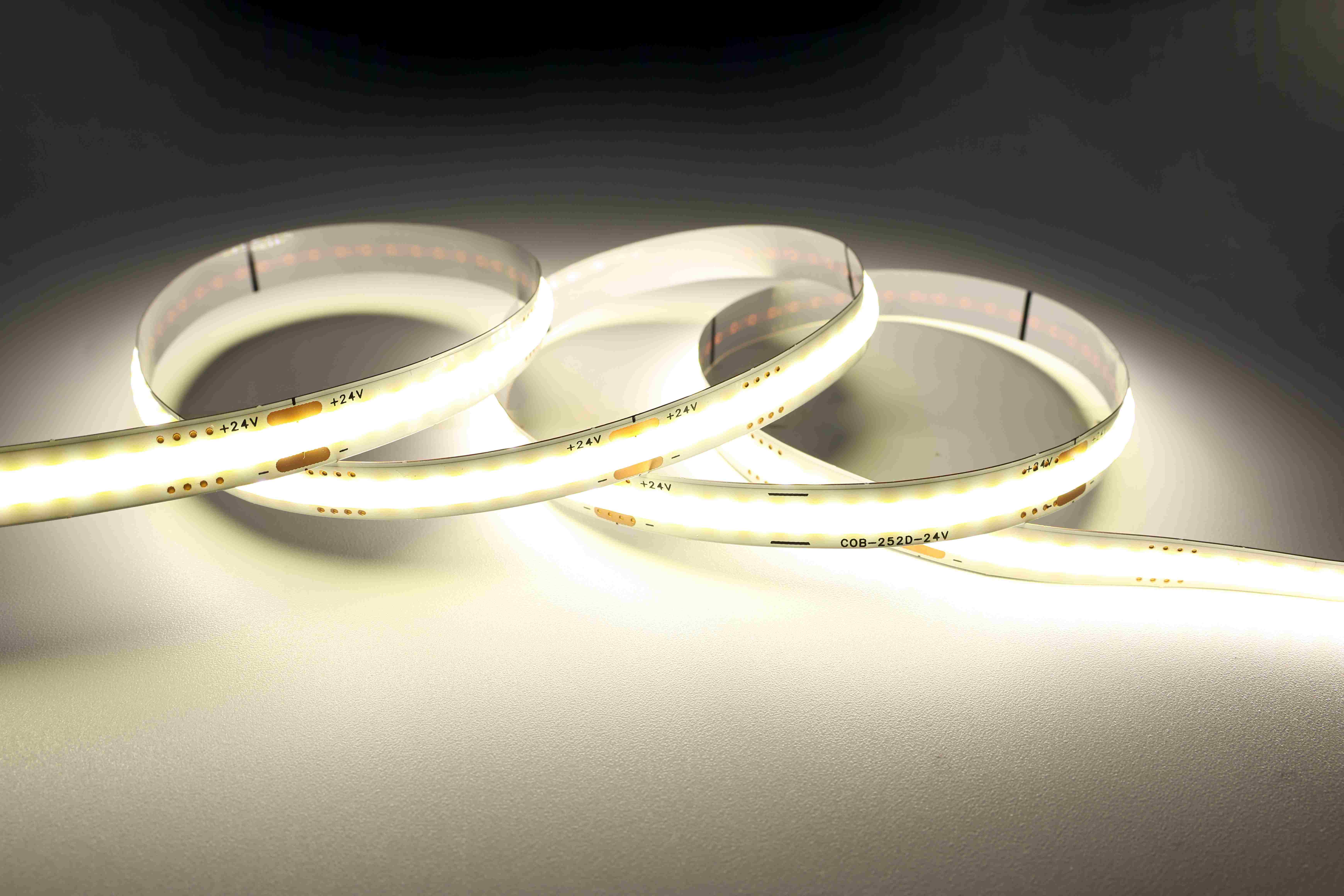
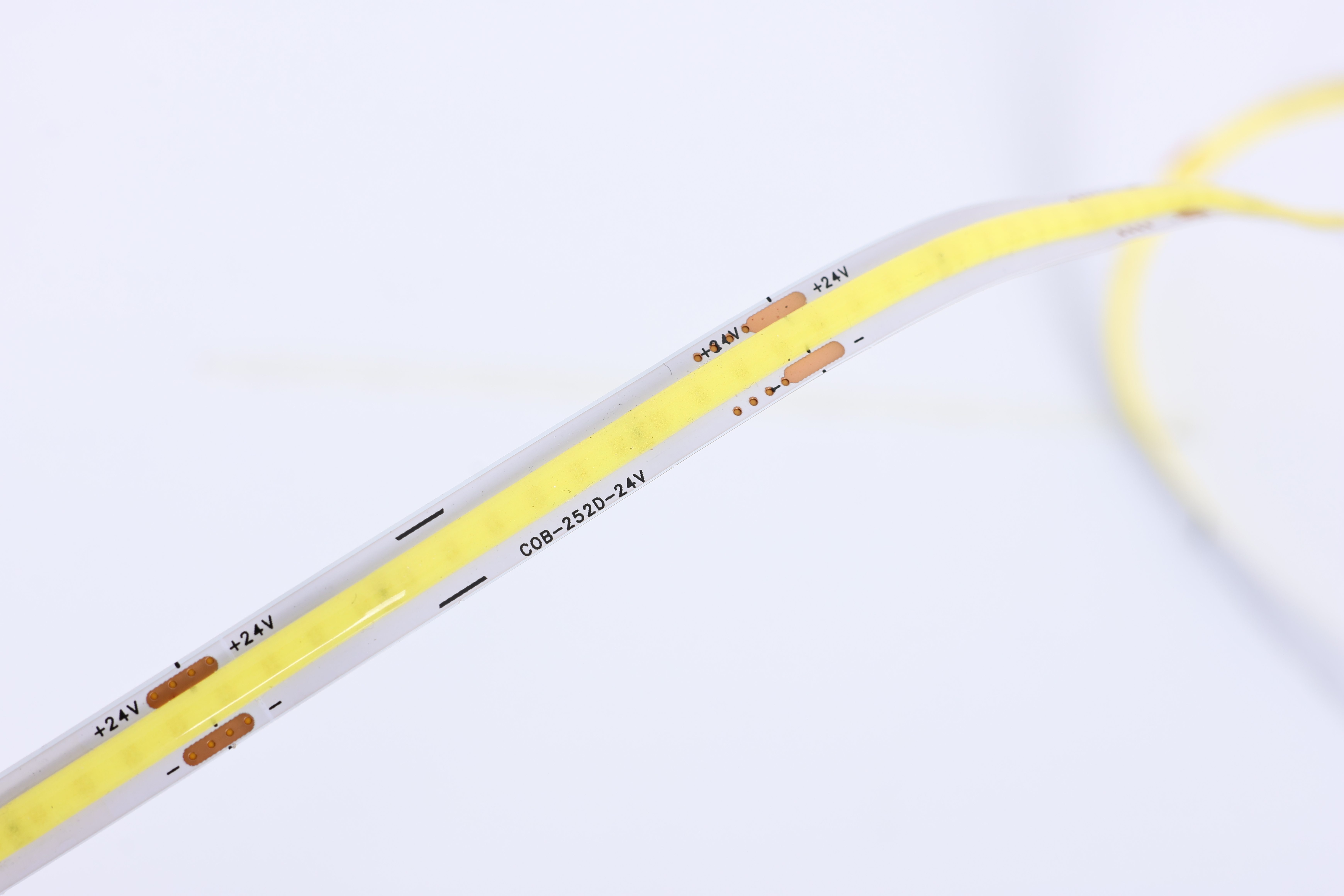
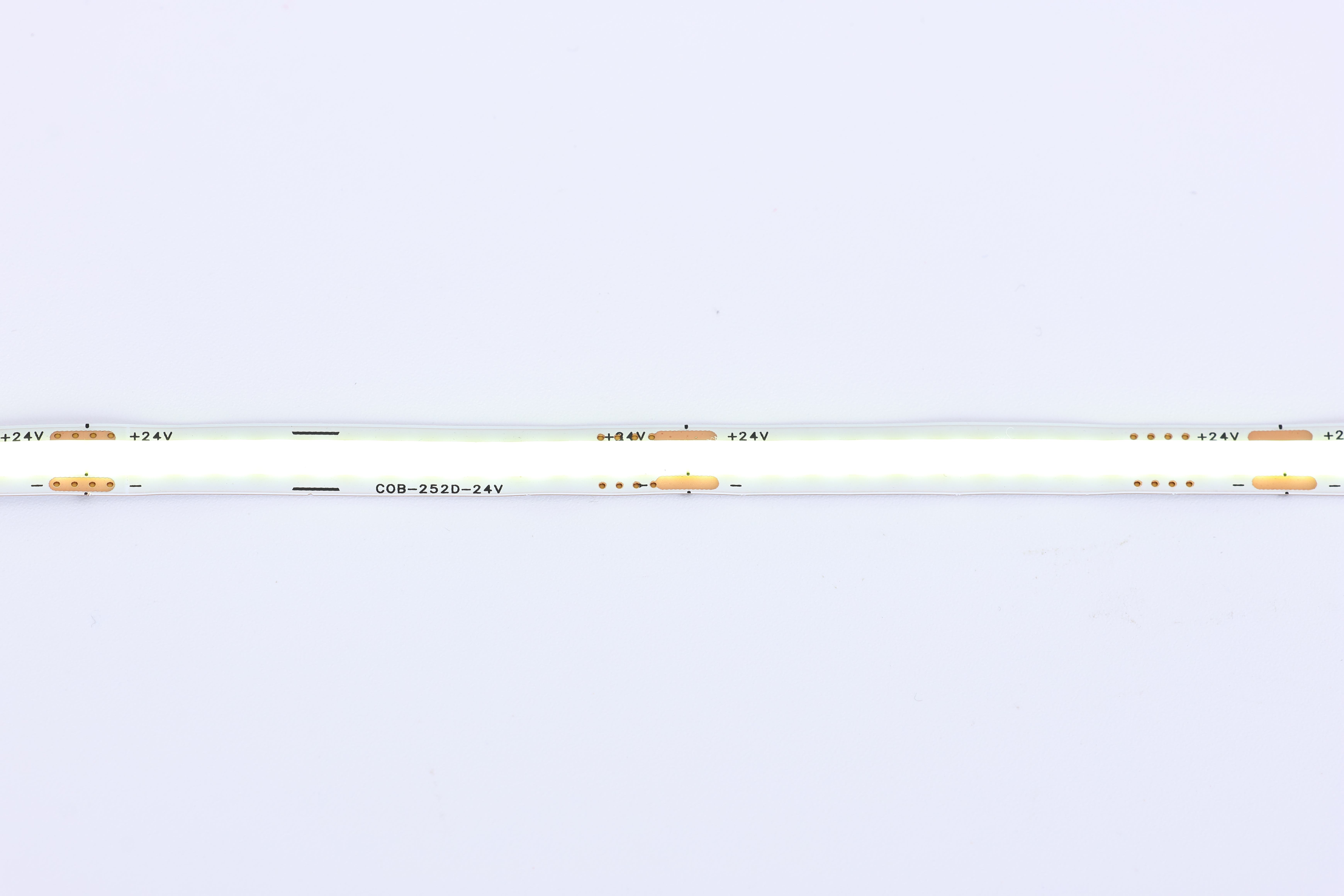
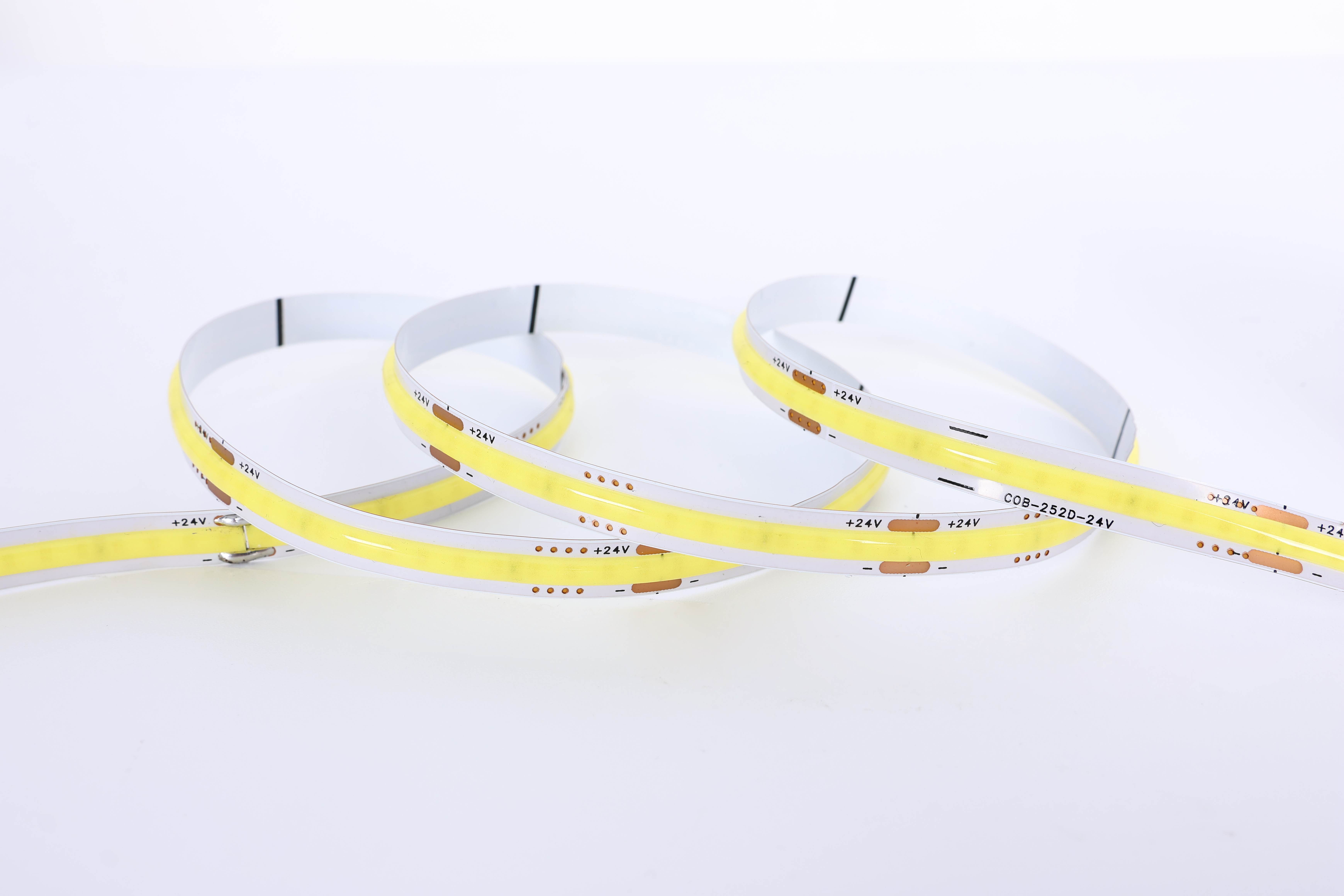
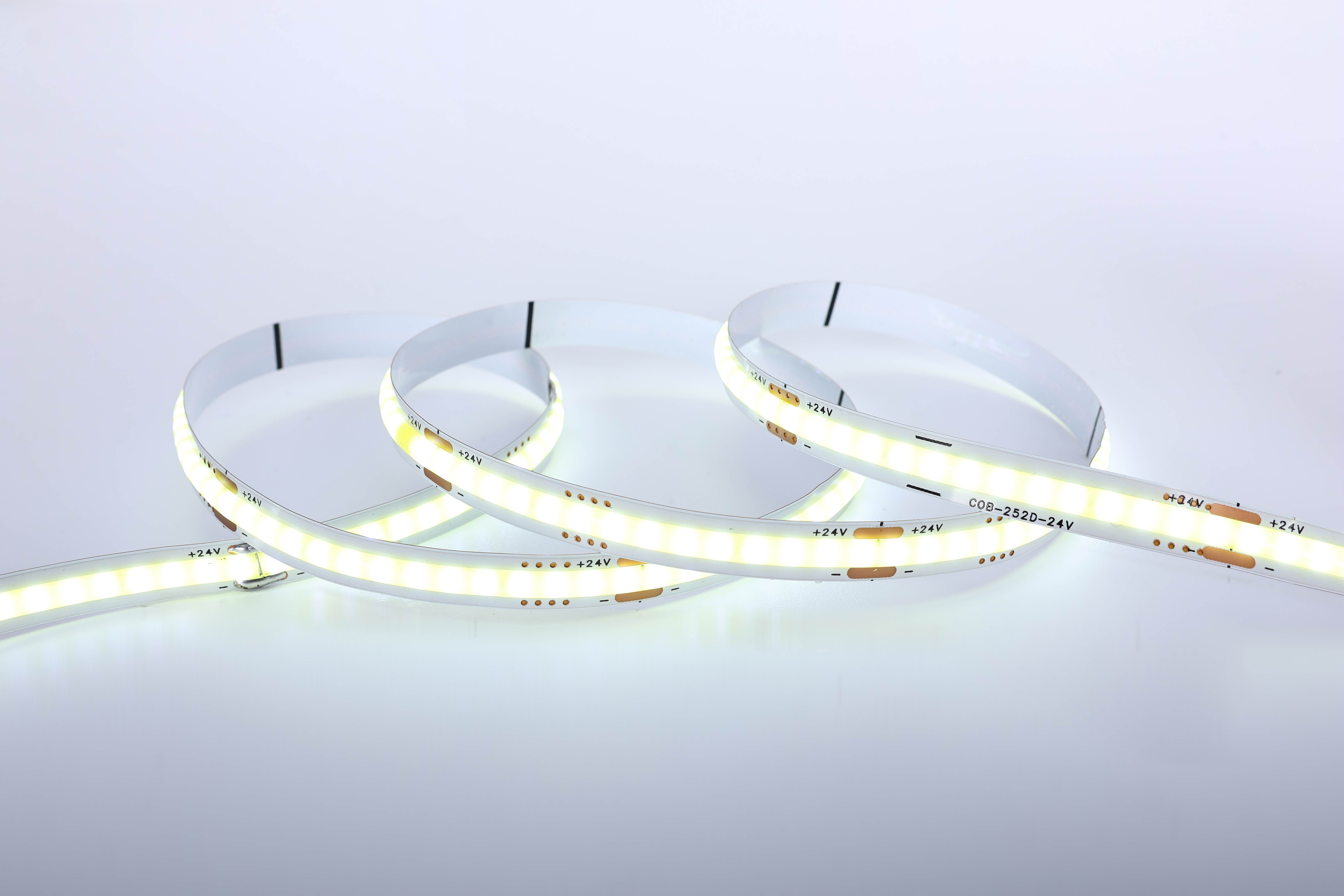
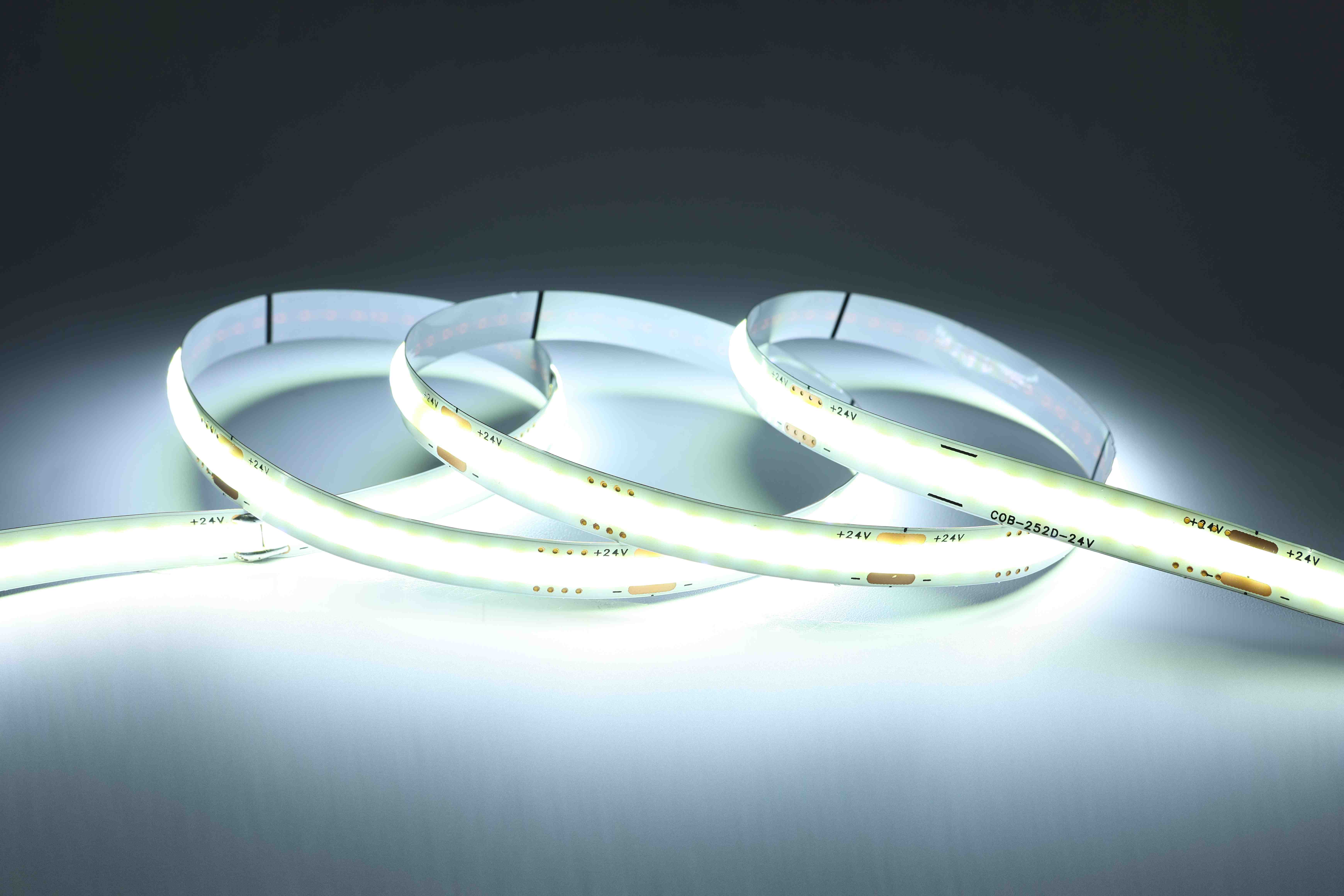
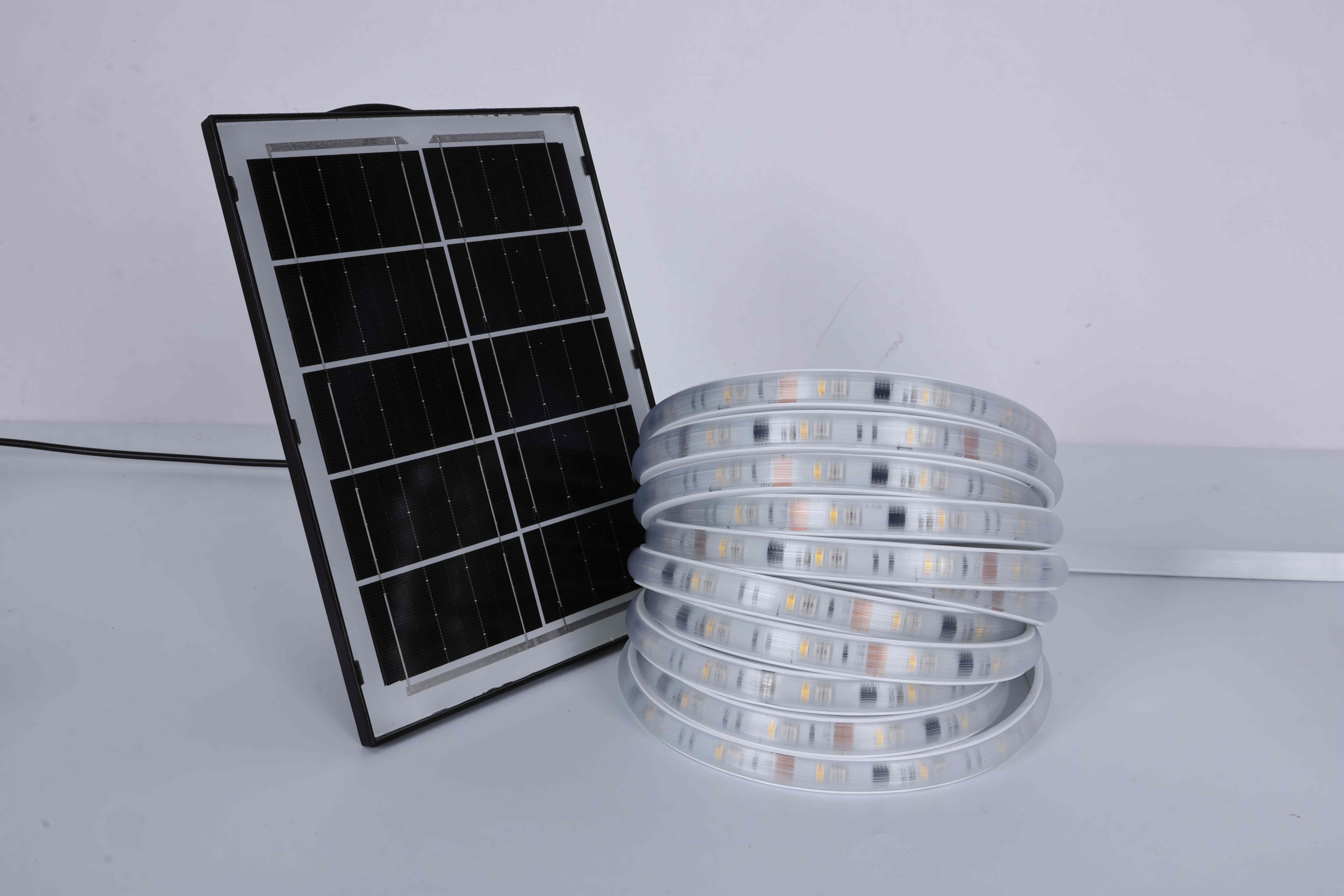
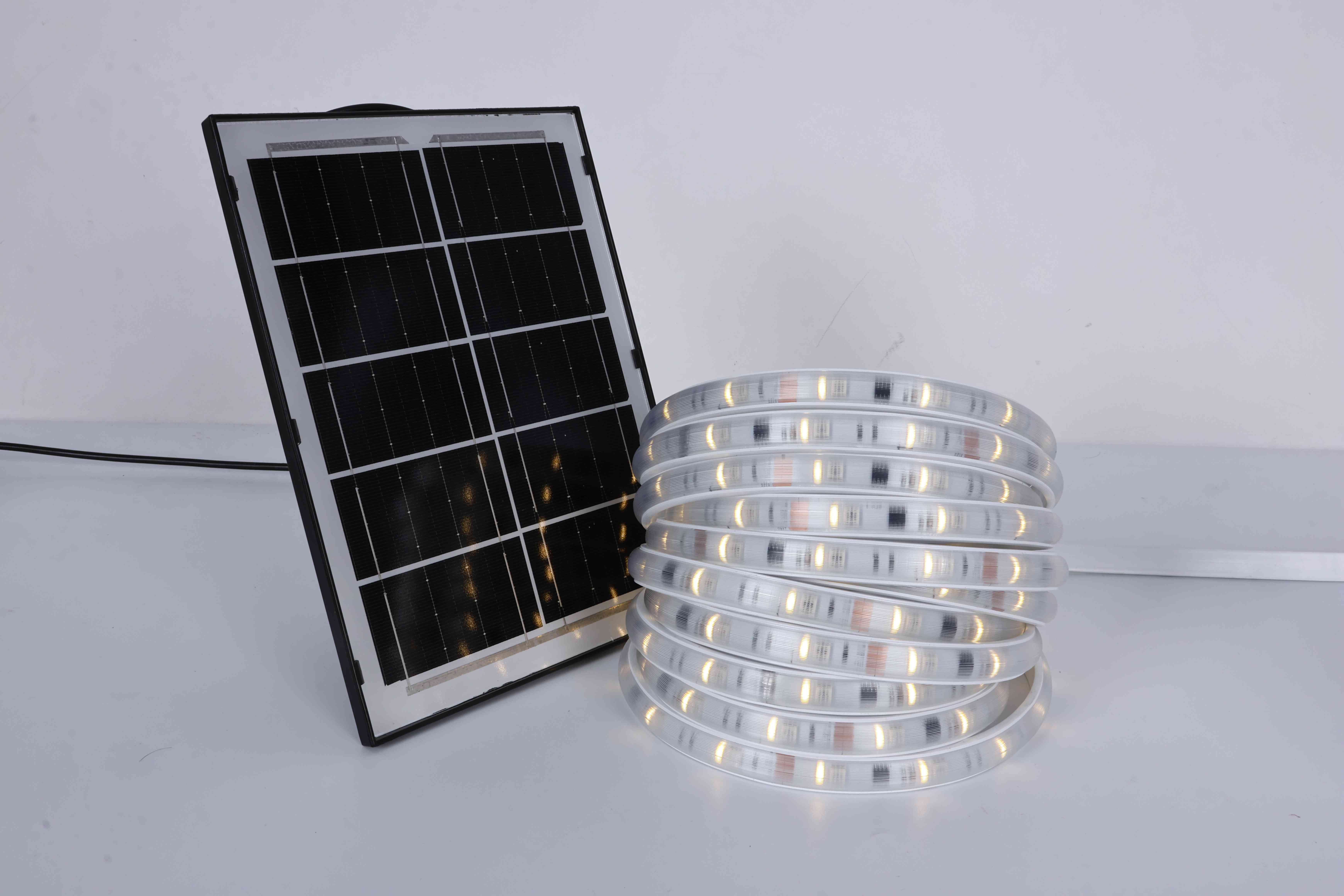
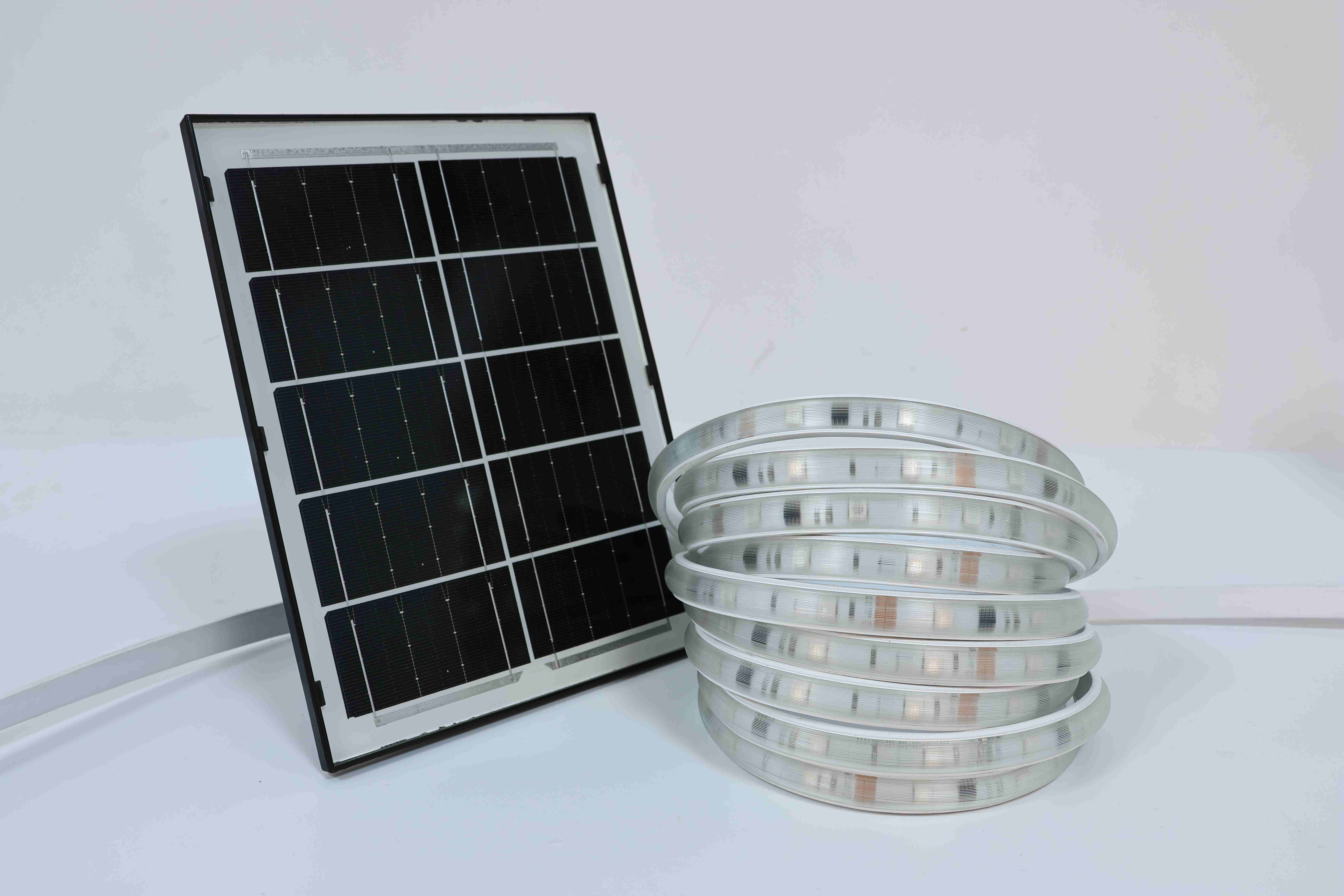
Buyers specifying under-cabinet and wardrobe lighting are usually squeezed between two numbers: the lumen figure the end client wants on the drawing, and the unit price the project budget will actually carry. This strip is built for exactly that gap. It carries 252 LEDs per metre — the lowest die count of any 8mm strip in the D series — yet still delivers 1000 lm/m from 10.0 W/m. Fewer, larger emitters doing more work each means a lower bill of materials per metre without the output compromise that normally comes with a low-density board.
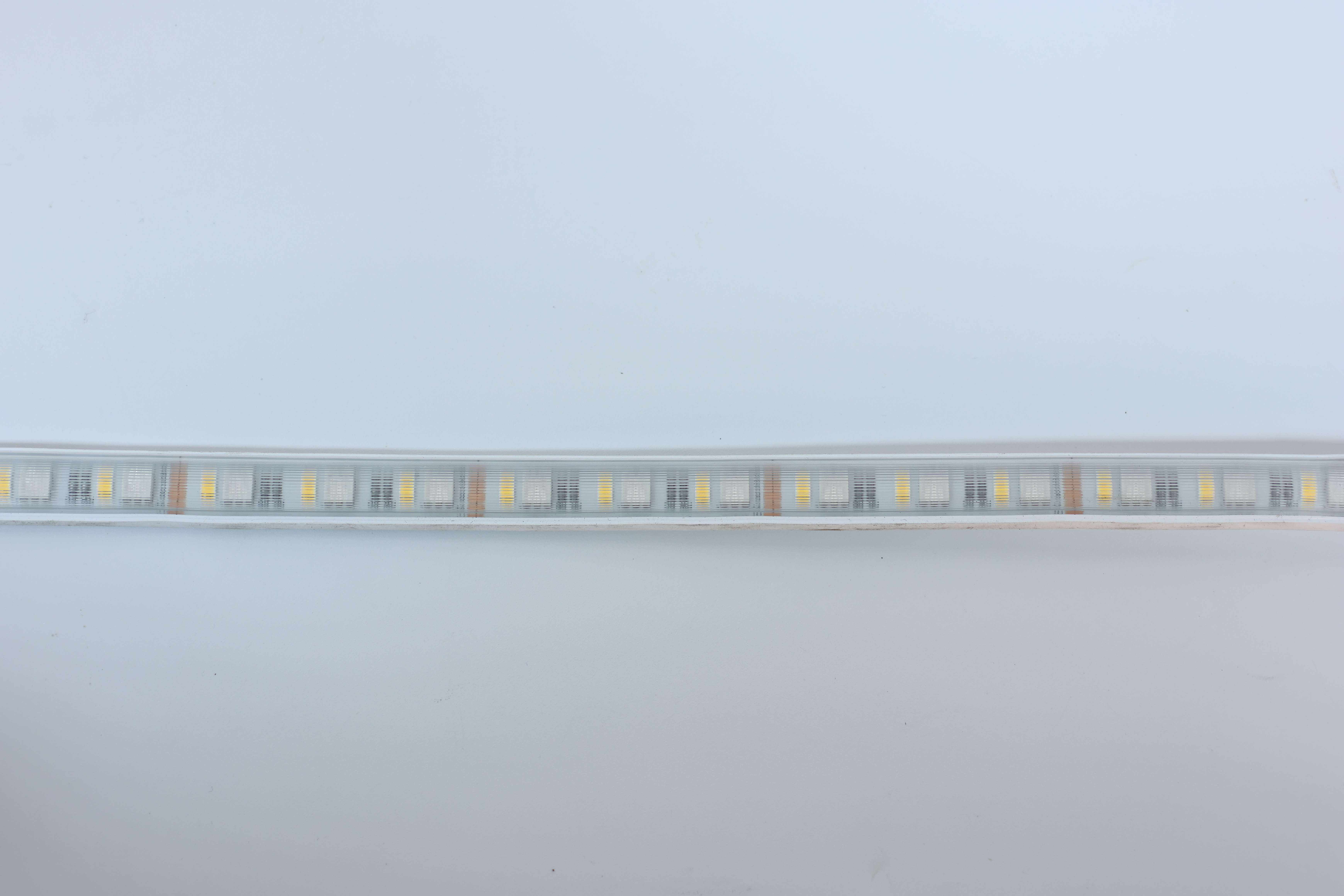
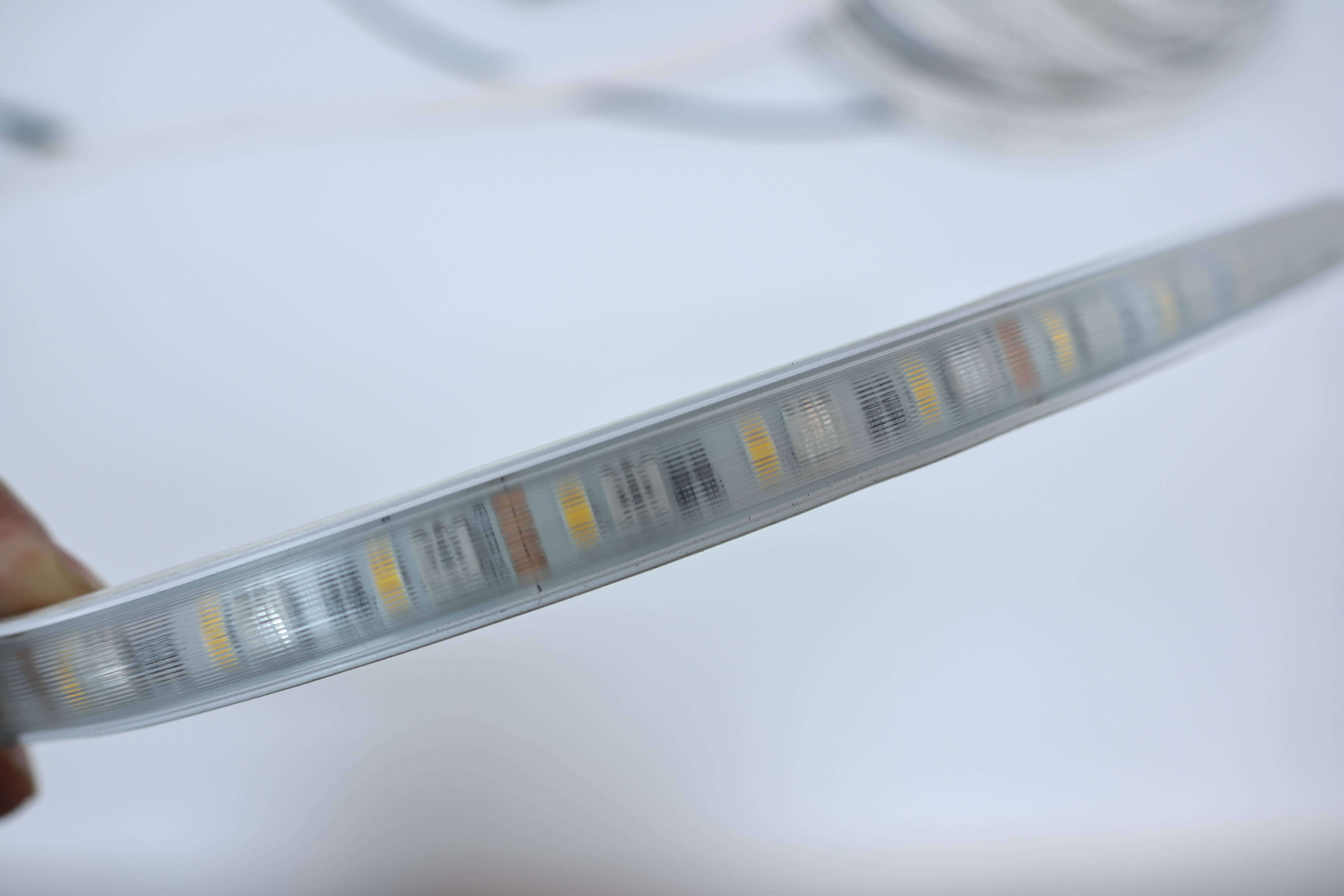
The engineering behind that figure is the COB large die format at 6 × 20 mil. Each die is driven harder than it would be on a 480 or 512 LED board, and because the phosphor layer runs continuously across the emitting surface, the lower die count is invisible in the finished light line. What the specifier sees is an unbroken 8mm band of light at 120°, not a row of points. Rated input is 0.42 A at 24 V DC, and the strip sits in energy efficiency class F.
Where this model differs most in practice is the cut interval. At 55.6 mm, the repeat is roughly twice that of the high-density boards in the same family. That is a deliberate consequence of the low die count and it makes this strip the natural choice for long, continuous runs — a 3.8 metre wardrobe rail, a full kitchen worktop line, a corridor skirting detail — rather than for short 200 mm display compartments where a 55.6 mm granularity would waste board. Construction is IP20 and the product is for indoor use only.
| Parameter | Details |
|---|---|
| Model No. | JNL-D-024V-COB-0252-08-S1XX-005-YYYY-10-20 |
| Item No. | 105650026 |
| Rated power | 10.0 W/m ± 10% |
| Rated voltage | 24 V DC |
| Input current | 0.42 A |
| LED type | COB, large die 6 × 20 mil |
| LED quantity | 252 PCS/m |
| Luminous flux | 1000 lm/m (@6500K) |
| Colour temperature | 2700 / 3000 / 3500 / 4000 / 5000 / 6500 K (specified at order) |
| CRI | Ra 80 |
| SDCM | ≤ 5 |
| Beam angle | 120° |
| Lumen maintenance | L80B20 @ 20,000 h |
| Energy efficiency class | F |
| Ingress protection | IP20 (indoor use only) |
| Outline dimensions | W8 × H1.65 ± 0.5 mm |
| Surface material | Phosphor coating |
| Cut length | 55.6 mm |
| Mounting | Double-sided adhesive tape film |
| Dimming method | Turn on the power and it lights up |
| Switching cycles | 15,000 times |
| Operating temperature | -25 °C to +45 °C |
| Relative humidity | 10–90% |
| Storage temperature | -40 °C to +60 °C |
| MTBF | 20,000 h |
| Packing | Reel + ESD bag + carton |
| Packing quantity | 5 m/roll × 100 pcs = 500 m per carton |
Q: How can 252 LEDs produce 1000 lm/m when denser strips in the same family produce less?
A: Output per metre is a function of total power and emitter efficiency, not die count alone. This board spreads 10.0 W/m across 252 large-die 6 × 20 mil emitters, so each die runs at a higher drive current and contributes about 3.97 lumens. A 480-LED board at 12 W/m splits its power across nearly twice as many dies, each contributing less. Density affects the fineness of the emitting surface; power and efficiency determine brightness.
Q: Is the 55.6 mm cut interval a disadvantage?
A: Only if your segments are short. On a 400 mm display compartment a 55.6 mm repeat can leave up to 55 mm unlit, which is noticeable. On a 2 m or 3 m continuous run the same rounding error is irrelevant and the longer repeat means fewer cut pads along the board. Specify this model for long runs and the 480 or 512 LED versions where exact short lengths are required.
Q: Does the lower die count make the light line look patchy?
A: No. The COB format covers the whole board with one continuous phosphor layer, so what you see is a solid 8 mm band rather than individual emitters. Die spacing on a 252 LED/m board is roughly 4 mm, well inside the diffusion range of the phosphor at any normal viewing distance.
Q: Can this strip be used above a kitchen sink or hob?
A: No. The rating is IP20, which means an unsealed board with no protection against water, spray or condensation. It is for indoor use only and must be kept away from sinks, hobs, steam paths and any location where it could be wetted or wiped down with liquid. Position it under the cabinet front lip, clear of extraction plumes.
Q: What is the maximum single run from one power feed?
A: At 0.42 A per metre on 24 V DC the current builds relatively slowly along the board, so runs of several metres are practical from one feed. Exact length depends on your acceptable end-of-run drop, conductor cross-section and driver location; feeding from the centre of a long run rather than one end roughly doubles the achievable length.
Q: What are the MOQ, lead time and packing arrangements?
A: MOQ is 50 sets and lead time is 15–21 days. Product ships as 5 m reels in ESD bags, 100 reels per carton for 500 m total, from Guangzhou or Shenzhen.
Buyers specifying under-cabinet and wardrobe lighting are usually squeezed between two numbers: the lumen figure the end client wants on the drawing, and the unit price the project budget will actually carry. This strip is built for exactly that gap. It carries 252 LEDs per metre — the lowest die count of any 8mm strip in the D series — yet still delivers 1000 lm/m from 10.0 W/m. Fewer, larger emitters doing more work each means a lower bill of materials per metre without the output compromise that normally comes with a low-density board.