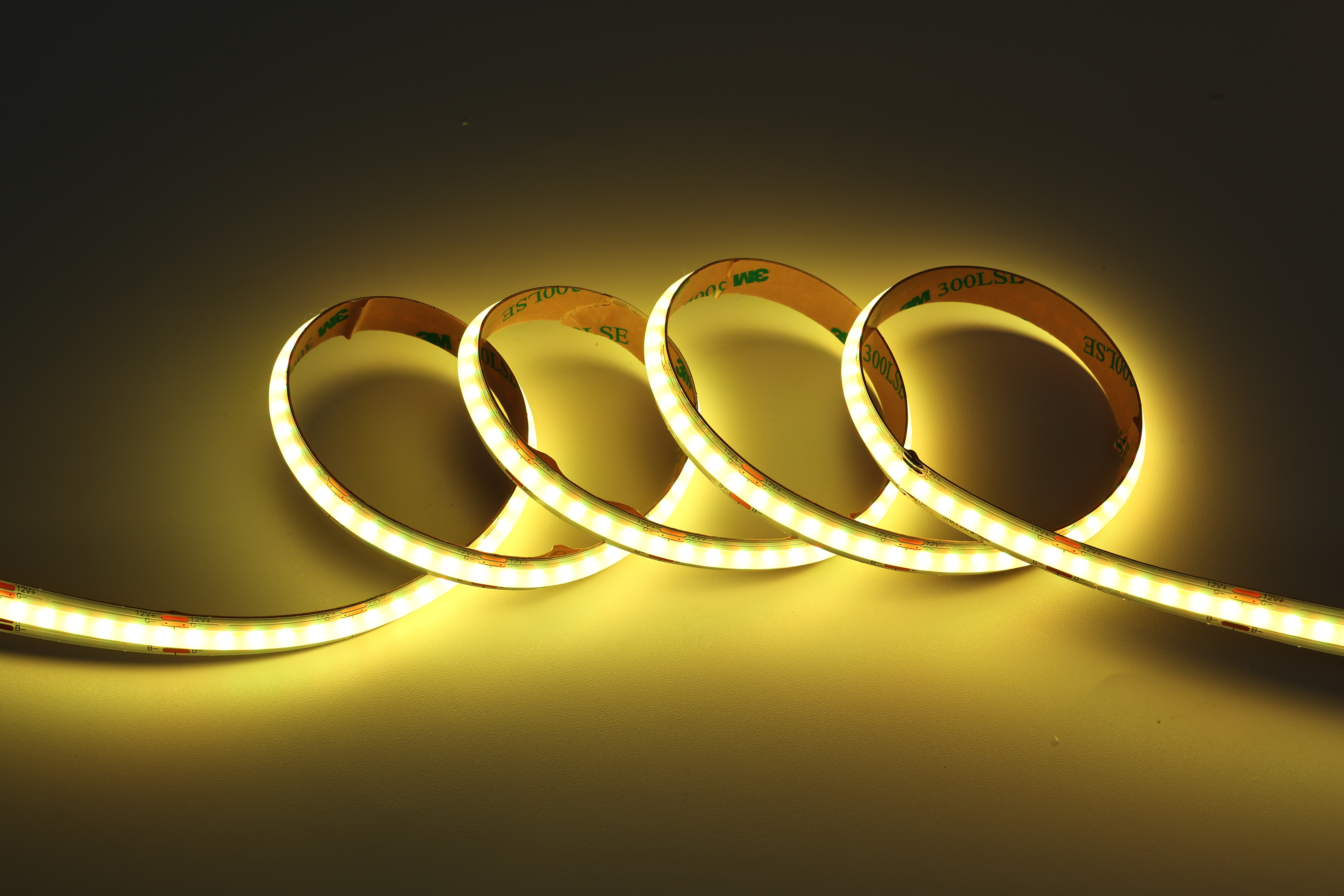
The lighting industry has evolved significantly over the past decade, and understanding the differences between modern lighting solutions is essential for making informed purchasing decisions. A cob led strip represents a substantial advancement compared to traditional LED strip configurations, offering superior light distribution, better heat management, and enhanced visual appeal for both residential and commercial applications.
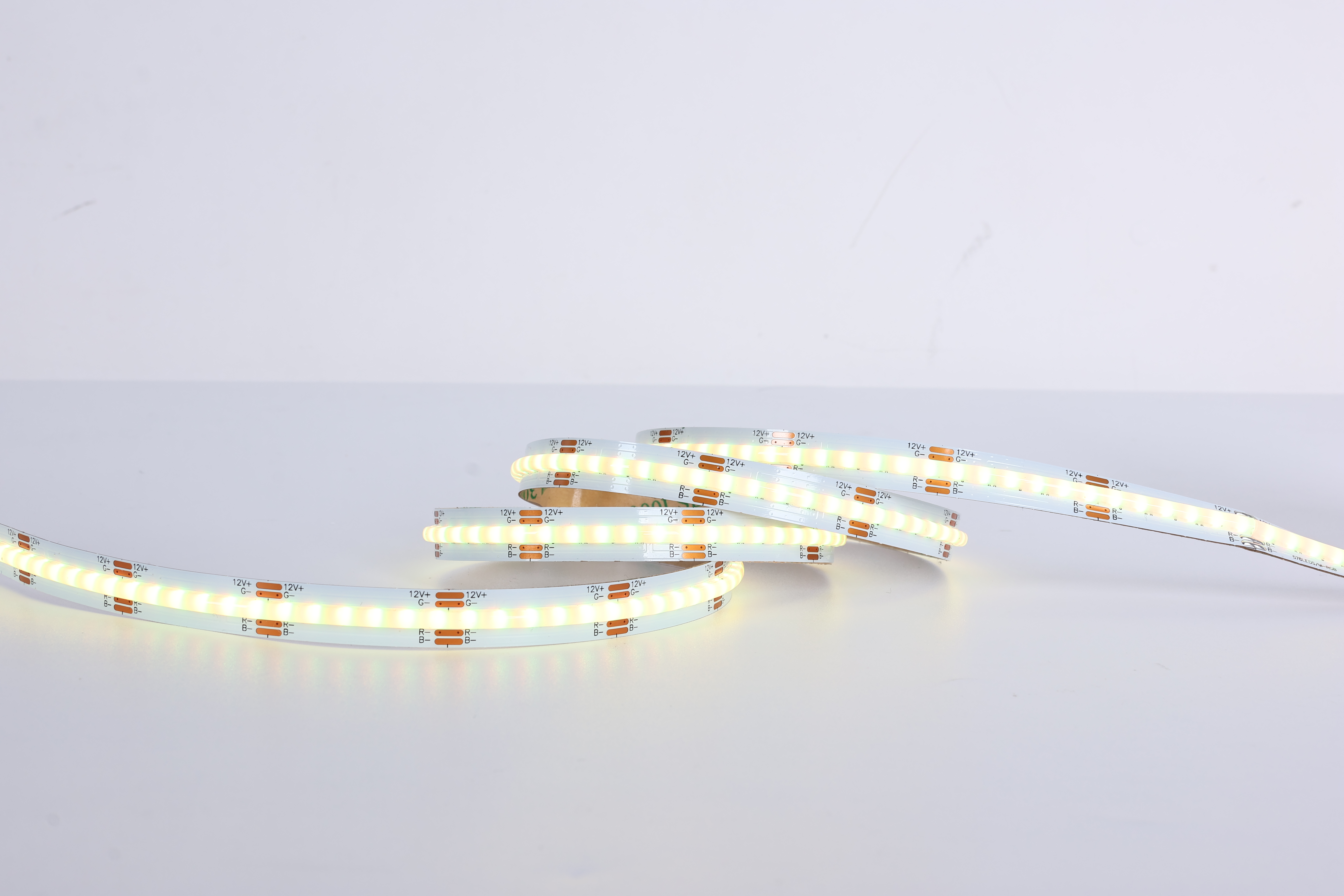
Standard LED strips use individual discrete LEDs spaced apart along a circuit board, which can create visible hotspots and uneven illumination patterns. In contrast, cob flexible lighting technology integrates multiple LED chips directly onto a single substrate, eliminating gaps and producing seamless, continuous light output. This fundamental architectural difference impacts performance, aesthetics, and practical installation considerations across numerous applications.
Understanding COB Technology and Light Distribution
The Core Architecture of COB LED Strip Systems
COB stands for Chip-on-Board, a technology where multiple LED chips are mounted directly onto a substrate material without individual packaging. A high density led strip built using COB technology can contain dozens of chips per linear inch, creating an exceptionally compact light source. Unlike conventional LED strips where individual LEDs sit in discrete positions, the cob flexible lighting approach produces a uniform, glowing surface with no dark zones between emitters.
This density advantage translates into superior light uniformity across any distance. When you illuminate a work surface or architectural feature with continuous led tape, the light feels organic and consistent, resembling traditional fluorescent or incandescent sources rather than the spotty appearance sometimes associated with older LED configurations. The high density led strip construction ensures that whether you view the light at acute or perpendicular angles, illumination remains smooth and professional.
Optical Performance Advantages
The cob flexible lighting format delivers measurably superior color rendering and brightness consistency. Because COB chips are tightly packed, the light output can be engineered to produce exceptional Color Rendering Index (CRI) values, often reaching 90 or higher. This means colors under cob led strip lighting appear more accurate and vibrant than under standard discrete LED strips, a critical factor in retail, hospitality, and professional environments.
Lumen output per linear dimension also improves dramatically with COB technology. A continuous led tape configuration can achieve 800 to 1000 lumens per meter, while standard strips typically deliver 300 to 600 lumens per meter. This efficiency gain means you can achieve desired brightness levels using less physical strip length, reducing installation complexity and cost while maintaining better light quality across the illuminated area.
Heat Management and Durability Considerations
Thermal Performance in COB vs Standard LED
Heat dissipation is a critical factor in LED longevity and performance stability. A high density led strip produces more light output in a more compact footprint, which naturally generates more localized heat. However, modern COB designs incorporate superior thermal substrates, often using aluminum or copper-based materials that conduct heat away from the LED chips more effectively than the standard polyester or fiberglass boards used in conventional discrete LED strips.
The cob flexible lighting advantage extends to voltage stability as well. Because COB chips operate as an integrated unit rather than as individual parallel circuits, voltage drop across the strip is reduced, allowing cob led strip systems to maintain consistent brightness over longer runs. Standard LED strips experience more noticeable brightness degradation over distance, requiring more frequent power injection points or voltage booster modules, which increases installation cost and complexity.
Expected Lifespan and Maintenance
Both COB and standard LED technologies share similar rated operational lifespans, typically 25,000 to 50,000 hours. However, the continuous led tape format's superior heat management means actual performance degradation occurs more slowly. A high density led strip maintains closer to rated brightness and color output throughout its service life, whereas standard strips show more pronounced lumen depreciation, particularly in high-ambient-temperature environments like kitchens or outdoor installations.
Maintenance requirements also differ noticeably. The seamless construction of cob flexible lighting reduces dust accumulation in gaps between components, a common issue with discrete LED strips. This design benefit extends service intervals and reduces cleaning frequency, particularly valuable in food service, healthcare, and industrial settings where cleanliness standards are stringent and maintenance downtime impacts operations.
Installation, Cost, and Application Suitability
Installation Flexibility and Design Applications
The cob led strip format offers significant installation advantages over standard LED alternatives. The seamless surface and flexible substrate allow the continuous led tape to conform to curved surfaces, architectural features, and irregular mounting substrates without gaps or visible component boundaries. This adaptability makes cob flexible lighting ideal for under-cabinet applications, decorative architectural lighting, signage backlighting, and premium accent installations where visual quality is paramount.
Standard LED strips, while more rigid in appearance, work adequately for applications where perfect uniformity is less critical or where discrete point-source effects are acceptable design choices. However, where refined aesthetics matter, a high density led strip delivers noticeably superior results. Designers and installers increasingly specify COB technology for projects where the lighting fixture itself is visible to end users, as the uniform glow appears more sophisticated and finished than the visible individual diodes characteristic of standard LED strips.
Total Cost of Ownership Comparison
Initial material cost for cob flexible lighting is typically 20 to 40 percent higher than equivalent standard LED strips. However, total cost of ownership often favors COB technology when factoring in installation efficiency, reduced power supply requirements, and extended maintenance intervals. A continuous led tape installation often requires fewer mounting brackets, shorter cabling runs, and simpler power distribution than its standard LED counterpart, offsetting material cost premiums.
Furthermore, the superior lumen output of a high density led strip allows shorter total lengths to achieve target brightness, reducing material consumption and installation labor. For commercial installations spanning multiple linear meters or for retrofit projects where existing fixtures require replacement, the operational advantages of cob led strip systems justify the higher initial investment through measurable energy savings and reduced maintenance overhead across the product lifecycle.
FAQ
Can I use a cob led strip in the same mounting fixtures as standard LED strips?
Most modern aluminum channel and mounting systems accommodate both technologies, though careful measurement is essential. Standard LED strips typically measure 10 millimeters wide, while many cob flexible lighting options are 12 to 16 millimeters wide. Always verify your specific fixture dimensions before purchasing continuous led tape to ensure proper fit, as retrofitting may require channel adjustment or replacement in some applications.
What is the practical brightness difference between COB and standard LED strips?
A high density led strip typically delivers 40 to 60 percent more usable light output compared to standard LED strips of equivalent length. This means you can install a cob led strip that is 30 to 40 percent shorter to achieve the same brightness level as a longer standard strip, resulting in better aesthetics and lower overall material costs, particularly in extensive installations or applications demanding high lumen output.
Are cob flexible lighting systems suitable for outdoor use?
Yes, quality continuous led tape products are available with IP67 and IP68 waterproof ratings suitable for outdoor applications. However, verify that the specific cob led strip model you select includes appropriate conformal coating and potting to protect components from moisture ingress. Outdoor COB installations require premium silicone or polyurethane waterproof covers, which add cost compared to standard LED options but deliver superior long-term reliability in harsh weather conditions.
 EN