 EN

how-do-environmental-factors-impact-diodes-and-leds, how-do-environmental-factors-impact-diodes-and-leds, /news
EN
2026/09/24
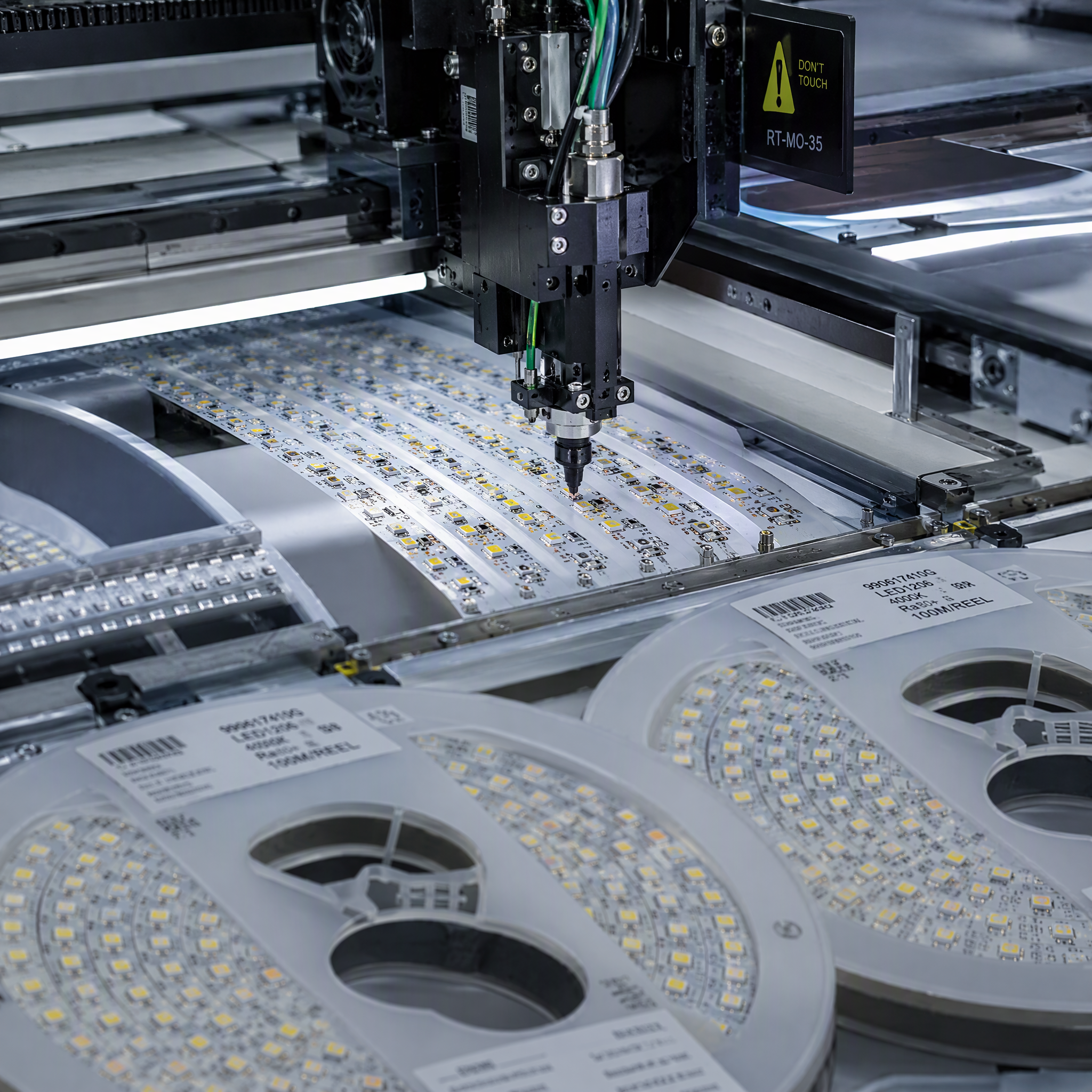
Environmental conditions fundamentally influence how diodes and leds perform in industrial and commercial applications. Temperature fluctuations, humidity levels, voltage stability, and light exposure all play critical roles in determining the lifespan, efficiency, and reliability of these semiconductor light emitting devices. Understanding these environmental factors is essential for engineers, facility managers, and procurement professionals who need to ensure optimal performance and longevity in their lighting systems and electronic components.
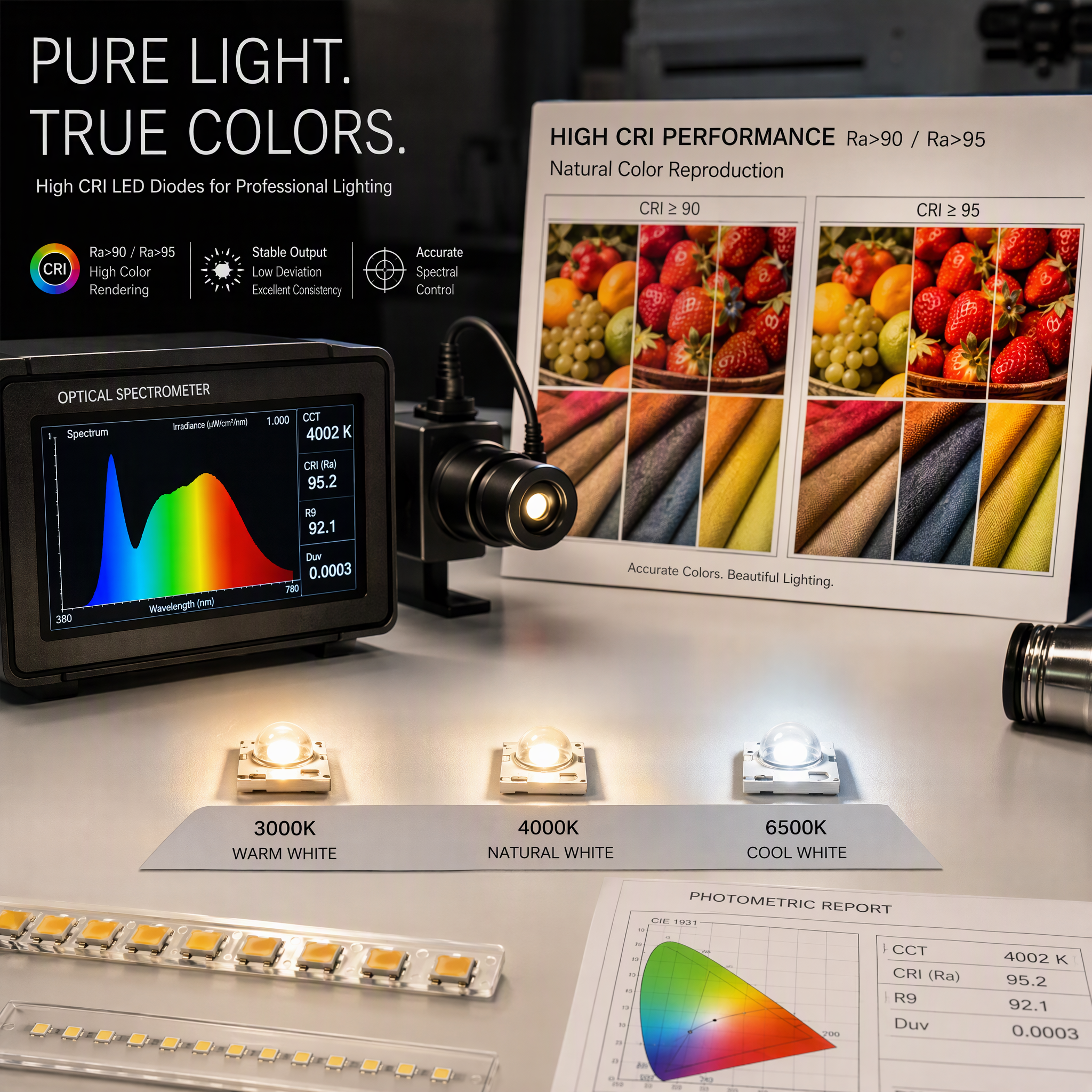
The interaction between environmental stress and semiconductor light emitting devices creates operational challenges that demand careful attention to installation, maintenance, and monitoring protocols. Whether deployed in outdoor facade lighting, industrial control systems, or precision instrumentation, the ability to anticipate and mitigate environmental impacts directly affects cost-effectiveness, safety, and system uptime. This guide explores the major environmental variables, their specific effects on performance, and practical strategies for maintaining reliability across diverse operating conditions.
Temperature is the single most significant environmental factor affecting diodes and leds performance and longevity. As temperature increases, the bandgap energy of semiconductor materials decreases, which causes forward voltage to decline and leakage current to rise exponentially. For photodiode applications, elevated temperatures reduce junction quality and increase dark current, directly compromising signal sensitivity and measurement accuracy. LED efficiency and performance declines noticeably at higher temperatures because photon emission rate decreases while heat generation increases, creating a self-reinforcing degradation cycle.
Effective thermal management extends the operational life of semiconductor light emitting devices significantly. Junction temperature, not ambient temperature, determines actual stress levels on diodes and leds components. Implementing proper heat sinks, thermal interface materials, and airflow design keeps junction temperatures within safe operating ranges. For high-power LED efficiency and performance applications, thermal monitoring becomes essential to maintain color consistency, brightness stability, and reliability over extended deployment periods. At temperature extremes below freezing, materials become brittle and risk thermal shock during cycling.
Humidity and moisture represent critical environmental threats to diodes and leds in outdoor and industrial environments. Moisture penetration into semiconductor packages causes corrosion of metallic leads, bond wires, and internal conductors, which increases electrical resistance and eventually causes complete failure. For photodiode applications in environmental monitoring or agricultural sensing, moisture accumulation on lenses and optical surfaces reduces light transmission and degrades measurement reliability. Semiconductor light emitting devices with inadequate sealing are vulnerable to salt spray, industrial fallout, and condensation cycles that accelerate material degradation.
Selecting appropriate encapsulation materials and IP-rated housings protects diodes and leds from moisture damage. Potting compounds, conformal coatings, and hermetic packaging extend reliability in harsh environments where humidity and contamination are constant concerns. For outdoor LED efficiency and performance specifications, IP65 or higher ratings ensure water and dust ingress protection throughout the installation lifetime. Desiccant packs and moisture-barrier films in component storage maintain semiconductor light emitting devices integrity during transit and warehousing phases.
Unstable power supply voltage directly impacts diodes and leds reliability and operating characteristics. Voltage surges and transient spikes exceed junction breakdown limits, causing immediate catastrophic failure or gradual degradation through microplasma formation and defect generation. For sensitive photodiode applications requiring stable gain and minimal noise, voltage ripple and regulation quality determine signal fidelity and measurement precision across extended operational periods. Poor power conditioning in industrial facilities creates chronic stress on semiconductor light emitting devices, manifesting as premature failure, color drift in LED systems, and inconsistent performance.
Current-limiting circuits, voltage regulators, and transient suppressors protect diodes and leds from electrical damage and extend service life significantly. LED efficiency and performance remain stable when power delivery is clean and consistent, with appropriate current limiting that prevents junction temperature excursions. For photodiode applications, low-noise power supplies and buffer amplifiers maintain optimal signal-to-noise ratios even under challenging field conditions. Semiconductor light emitting devices operating on AC voltage sources require rectification, filtering, and voltage stabilization to ensure predictable behavior and long-term reliability in outdoor building outline and facade lighting systems.
Light exposure creates photocurrent in reverse-biased semiconductor junctions, which is beneficial for photodiode applications but requires careful management to prevent saturation and noise. Excessive illumination intensity can damage sensitive optical sensors by generating carrier concentrations that exceed safe limits, causing junction heating and accelerated degradation. For diodes and leds used in photosensing systems, spectral composition and intensity stability determine measurement accuracy and long-term calibration drift. Exposure to ultraviolet radiation degrades encapsulation materials and causes secondary dark current generation in photodiode applications, reducing sensitivity and increasing noise floors.
Proper optical filtering, neutral density attenuators, and intensity control preserve photodiode applications performance within safe operating ranges. LED efficiency and performance degrade when operating devices exceed rated illumination exposure or encounter sustained thermal loading from concentrated light sources. Semiconductor light emitting devices benefit from controlled spectral environments that minimize radiation damage while optimizing detection or emission efficiency. Regular calibration and aging curve monitoring enable predictive maintenance for critical photodiode applications and LED efficiency and performance monitoring systems in industrial facilities.
Temperature increases reduce LED efficiency and performance by decreasing photon emission rate, increasing heat generation, and lowering forward voltage. Junction temperature management through heat sinks and thermal design maintains stable brightness, color, and lifespan. Cold temperatures can cause thermal shock and material brittleness, while extreme heat accelerates degradation pathways. Maintaining junction temperature within specified ranges is critical for consistent performance over the installation lifetime.
Photodiode applications require hermetic packaging, moisture barriers, and optical filtering to maintain sensitivity and accuracy in harsh environments. Humidity and contamination increase dark current and degrade measurement precision, while excessive light intensity can cause saturation and junction damage. Proper enclosure design with IP65 or higher ratings protects against salt spray, industrial fallout, and condensation cycles. Regular calibration and monitoring enable early detection of environmental stress and performance degradation.
Yes, voltage surges and transient spikes exceed junction breakdown limits and cause immediate or gradual failure of semiconductor light emitting devices. Unstable power delivery creates chronic stress manifesting as premature failure, color drift, and inconsistent performance. Current-limiting circuits, voltage regulators, and transient suppressors protect diodes and leds from electrical damage. AC voltage sources require rectification, filtering, and stabilization to ensure predictable behavior and long-term reliability in outdoor applications.
