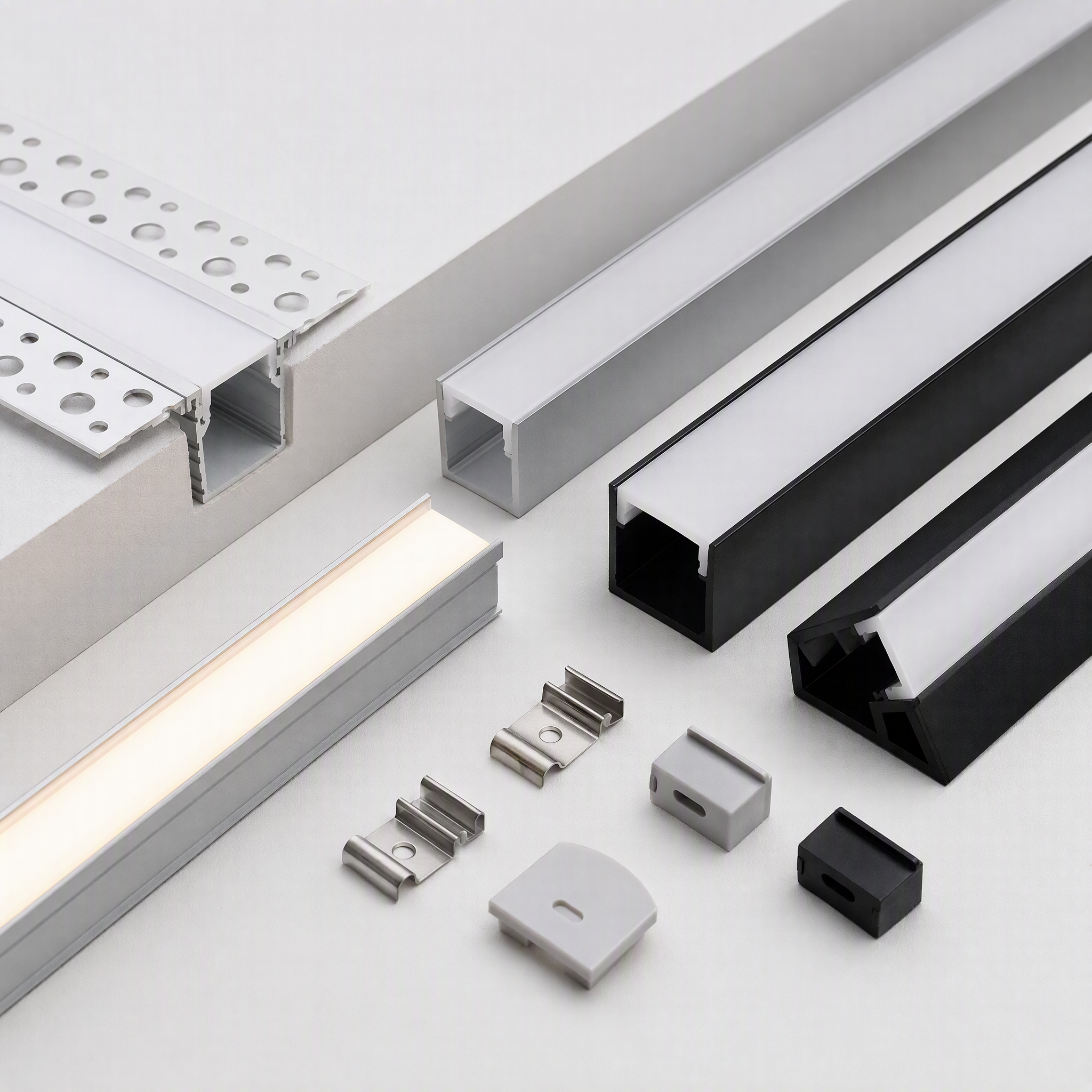
Calculating the correct led channel length and spacing is fundamental to achieving professional results in linear LED lighting installations. Whether you're designing under-cabinet lighting, architectural accents, or display illumination, precise measurements determine both aesthetic appeal and functional performance. The aluminum led housing protects your light source, ensures even light distribution, and contributes significantly to the overall visual impact of your installation. Understanding spacing intervals and length calculations prevents costly errors and guarantees customer satisfaction in every project.
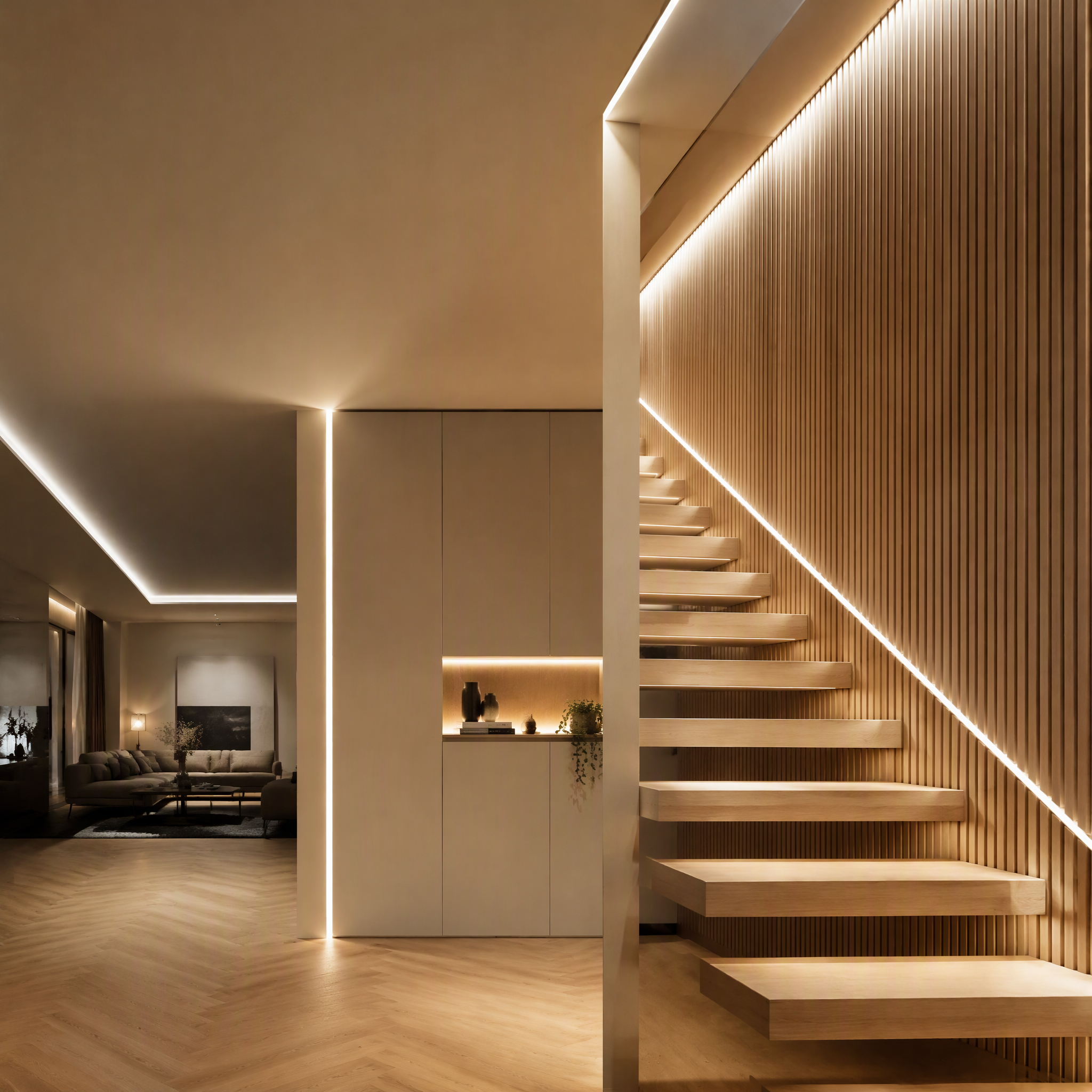
The relationship between aluminum led housing dimensions, led channel profile specifications, and actual installation requirements requires careful planning. Different applications demand different spacing approaches, and the linear LED lighting configuration you choose will influence how you calculate your measurements. This guide walks you through the essential calculations and decision points that ensure your installation looks polished and functions reliably.
Understanding LED Channel Profile Dimensions
Core Measurement Principles
Every aluminum led housing comes with standard profile dimensions that determine how light distributes along your installation surface. The led channel profile width, depth, and material thickness all influence the final appearance and light output uniformity. Most standard profiles range from 12 millimeters to 25 millimeters in width, and your choice depends on the desired visual prominence and the specific linear LED lighting application. Before calculating length, familiarize yourself with your profile's exact dimensions, as these measurements form the foundation of all spacing decisions.
Measuring Your Installation Space
Begin by measuring your physical installation area with precision. For under-cabinet applications, measure the full cabinet run length carefully, accounting for corners, obstacles, and transitions. For architectural features, measure the wall or ceiling segment where your aluminum led housing will mount. Record these measurements in millimeters rather than fractions of inches, as most led channel profile systems use metric specifications. This baseline measurement determines your actual usable length and guides whether you need one continuous run or multiple channel segments joined strategically.
Calculating Channel Length and Segment Placement
Determining Total LED Channel Length
Calculate your total led channel length by adding your measured space to approximately 5–10 millimeters of clearance at termination points. This allowance prevents binding during installation and accommodates end caps or connectors in your aluminum led housing system. For continuous runs, subtract the combined connector depth from your total measured length to determine the actual channel piece size you should order. If your installation exceeds standard lengths, plan your joints strategically by measuring from fixed reference points like corners or wall transitions. This approach ensures your linear LED lighting maintains visual continuity across connected segments.
Spacing Intervals for Even Light Distribution
Spacing your led channel profile segments requires understanding how light output consistency depends on channel placement patterns. For under-cabinet applications, position your aluminum led housing 150–200 millimeters from the counter edge to eliminate glare while directing light downward onto work surfaces. For architectural accent lighting using linear LED lighting, spacing depends on desired intensity and the specific application context. If you're installing multiple channels in parallel configurations, maintain consistent spacing between runs—typically 300–500 millimeters for accent walls and wider intervals for ambient applications. Test your spacing calculations by creating a full-scale mockup before final installation commits resources and timeline.
Practical Installation Considerations
Managing Corners and Transitions
Corners challenge even experienced installers, and your led channel profile strategy must account for these transitions early in planning. For 90-degree corners, you have two options: use corner-specific aluminum led housing pieces designed for seamless transitions, or install two segments meeting at the corner junction. Calculate each segment's length independently from the corner point, then subtract the connector depth to determine actual channel cut length. Inside corners require shorter measurement allowances than outside corners, so measure these areas carefully. Interior corners in aluminum led housing installations demand precision because visible gaps compromise the professional appearance of your linear LED lighting system.
Accommodating Obstacles and Features
Real-world installations include obstacles—plumbing penetrations, electrical outlets, support posts, or architectural elements requiring workaround solutions. Measure around these obstacles by segmenting your led channel into sections that navigate around rather than attempt to cut through barriers. Each segment's length calculation follows standard methods, but planning requires you to identify obstacle locations before ordering aluminum led housing inventory. For under-cabinet applications, identify outlet locations and plan your linear LED lighting channels to terminate safely beyond electrical elements. This segmentation approach actually improves installation quality because shorter channel pieces are easier to position precisely and replace if damage occurs.
FAQ
What factors affect how I space my aluminum LED housing?
Spacing depends on your application type, desired light intensity, surface reflectivity, and the specific mounting configuration. Under-cabinet installations typically require 150–200 millimeters from the counter edge, while accent lighting allows more flexibility. Your led channel profile width also influences visual proportions—wider channels appear more prominent and warrant different spacing than slim profiles. Always test spacing with sample linear LED lighting installations before committing to full-scale projects, as perceived brightness and aesthetics vary by room lighting conditions and surface materials.
How do I calculate length for curved or angled installations?
Curved installations using flexible aluminum led housing require measuring the actual path your installation will follow rather than straight-line distances. Use a flexible measuring tape positioned along the intended curve path, then add your standard 5–10 millimeter clearance allowance. For angled led channel profile sections, break the installation into straight segments, measure each separately, then add connector allowances between segments. Flexible linear LED lighting systems simplify curved applications but demand careful planning to ensure your aluminum led housing can physically accommodate the intended curve radius without damage.
Should I order extra LED channel to account for mistakes?
Yes, experienced installers typically order 5–10 percent extra aluminum led housing material to accommodate measurement errors, cutting mistakes, or unexpected complications. This buffer prevents project delays caused by waiting for replacement material and provides insurance against installer learning curves. Your led channel profile investment in extra material remains minimal compared to project delay costs. Keep extra linear LED lighting channel pieces from completed projects for troubleshooting future installations—having spare aluminum led housing segments available saves time when addressing unexpected length miscalculations.
 EN