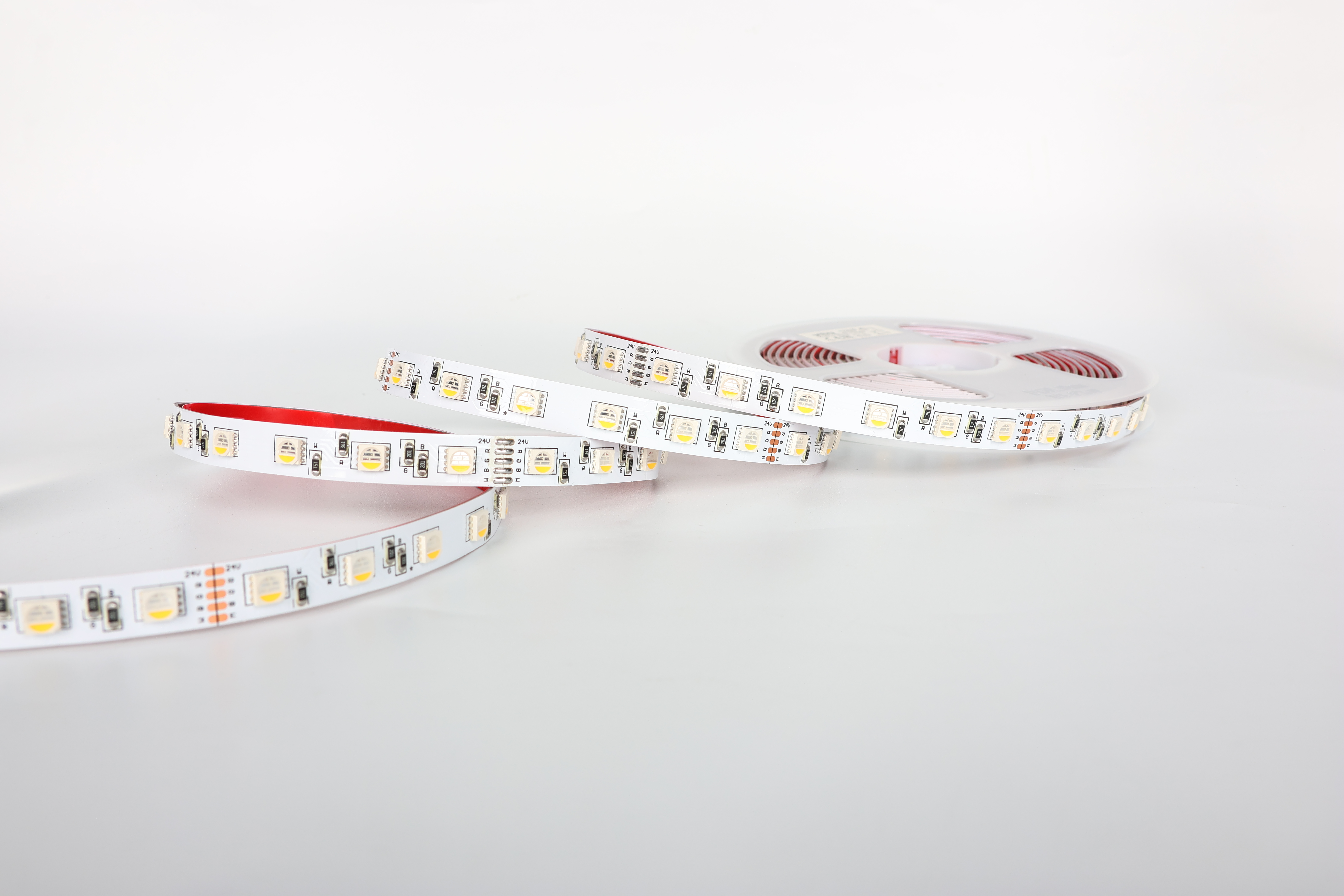
Installing a cob led strip requires careful planning to ensure both safety and optimal performance in your industrial or residential space. The placement of your lighting solution directly impacts heat dissipation, longevity, and the quality of illumination delivered to your work environment. Understanding installation safety principles prevents common issues like thermal stress, electrical hazards, and premature failure of your high density led strip system.
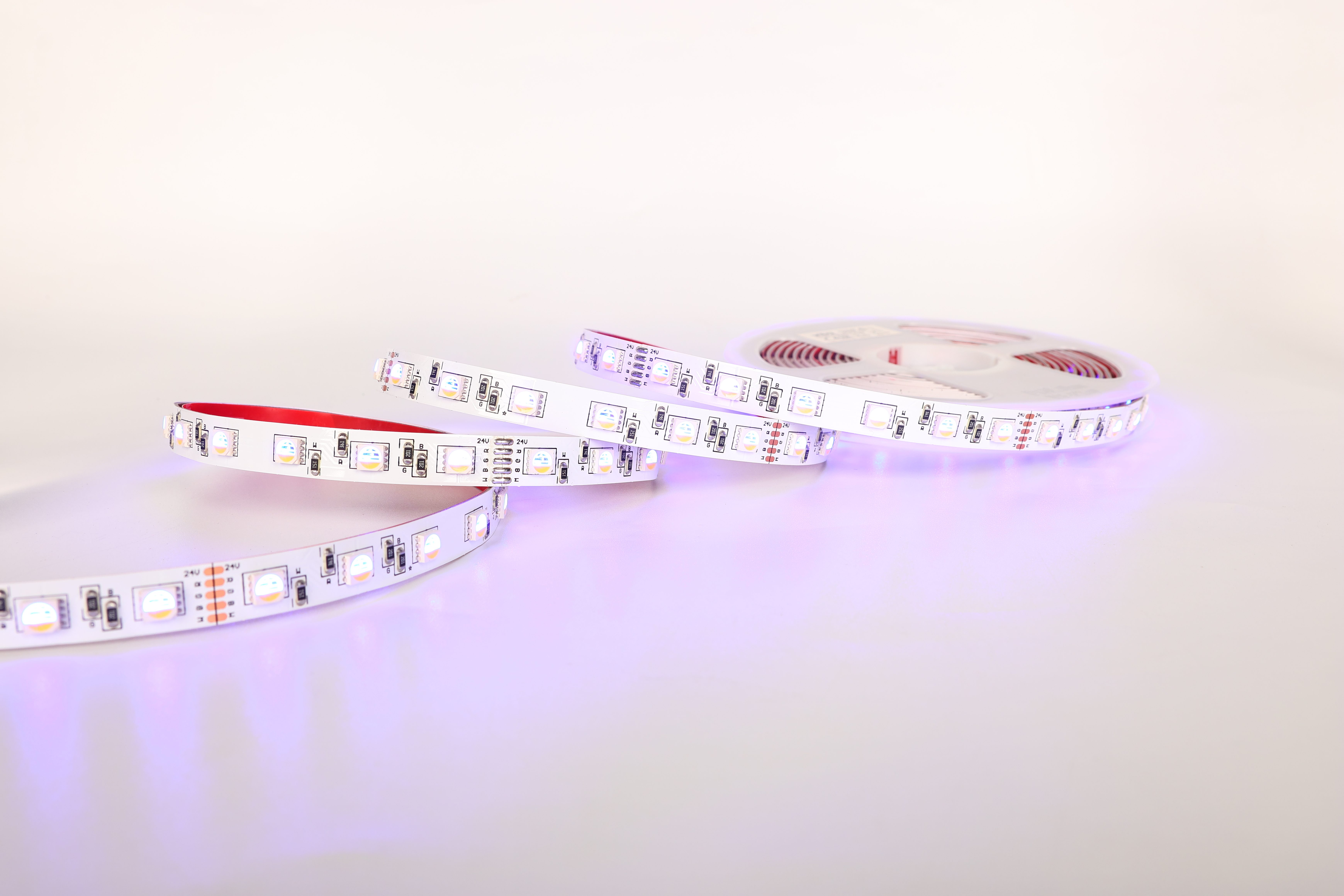
Proper installation of continuous led tape ensures your lighting system operates safely and delivers consistent brightness for years. Whether you are retrofitting existing fixtures or building new installations, knowing where and how to position your cob flexible lighting prevents damage to components and maintains warranty coverage. This guide covers essential installation locations, safety considerations, and best practices for securing your high-performance lighting solution.
Under-Cabinet and Shelf Mounting Locations
Under-cabinet installations represent one of the most common and safest applications for continuous led tape systems. These locations provide protection from direct contact, reduce dust accumulation on the light source, and offer natural ventilation beneath the mounting surface. Kitchen countertops, workshop benches, and retail display shelves all benefit from strategically positioned cob flexible lighting that remains protected from moisture and physical damage.
Kitchen and Work Surface Applications
Installing your high density led strip beneath kitchen cabinets creates task lighting for food preparation while keeping the light source safely positioned away from heat sources like stovetops. Maintain at least twelve inches of clearance from direct flame or high-temperature cooking zones to prevent thermal degradation of the flexible components. The continuous led tape should be mounted on a level surface with aluminum channels or profiles that dissipate heat away from the light-emitting elements, extending the lifespan of your cob led strip significantly.
Workshop and industrial benches gain exceptional illumination when cob flexible lighting is mounted directly above work surfaces. Secure your high density led strip using provided adhesive backing or mechanical fasteners, ensuring the installation surface is clean, dry, and free from dust. Position the installation at least eighteen inches above the work surface to minimize heat exposure to operators while providing adequate light distribution across your working area.
Display and Accent Lighting Installations
Retail shelving and display cabinets benefit from carefully positioned continuous led tape that highlights merchandise without excessive heat generation. Mount your cob led strip on the underside of shelves, directing light downward to showcase products while maintaining safe distances from sensitive materials. This installation method prevents accidental contact and ensures your high density led strip operates in a controlled thermal environment where ambient temperature remains stable.
Wall and Ceiling Mounting Safety Considerations
Vertical and overhead installations of your cob flexible lighting demand particular attention to heat management and electrical safety. Wall-mounted continuous led tape requires proper support structures to prevent sagging or disconnection as the components age and expand from thermal cycling. Ceiling installations of cob led strip must account for gravitational stress and provide secure mechanical attachment that maintains connection integrity throughout the product lifespan.
Vertical Wall Mounting Techniques
When installing a high density led strip on vertical surfaces, secure the mounting base with heavy-duty aluminum profiles or reinforced channels that prevent sagging. Use stainless steel or corrosion-resistant fasteners spaced no more than twenty-four inches apart to ensure your cob flexible lighting remains firmly attached even under vibration or temperature fluctuations. Verify that the mounting surface is structurally sound and capable of supporting the weight of aluminum channels, wire, and the continuous led tape itself without deflection or movement.
Ensure adequate airflow around your installed cob led strip by maintaining minimum clearances from walls and surrounding structures. Position the light source at least three inches away from adjacent surfaces to allow natural convection to cool the high density led strip components. This spacing prevents thermal buildup that could compromise the diodes and reduces the risk of heat damage to nearby materials like paint, wallcovering, or insulation.
Ceiling and Overhead Installation Guidelines
Overhead installations of continuous led tape demand superior mechanical support because gravity acts constantly on the mounted system. Attach your cob flexible lighting to structural elements using heavy-gauge wire or cable rated for at least twice the combined weight of the light, aluminum profile, and wiring. Install the cob led strip in aluminum channels with integral support ribs that distribute mechanical stress across the entire mounting structure, preventing localized stress concentration that could cause component failure.
Maintain a minimum of six inches clearance between the high density led strip and any ceiling structure or insulation to allow heat dissipation. Ensure your continuous led tape installation does not obstruct ventilation ducts, fire suppression systems, or emergency lighting. Position electrical connections away from moisture sources and secure all wiring with cable clips rated for your installation environment, whether that is a climate-controlled office space or a humid industrial setting.
Environmental Protection and Hazard Avoidance
Selecting safe installation locations means identifying and avoiding environmental hazards that compromise performance or safety of your cob flexible lighting system. Moisture exposure, extreme temperature variations, chemical environments, and direct sunlight all present specific risks that determine the viability of different installation locations for your cob led strip application.
Moisture and Water Resistance Considerations
High-humidity environments and wet locations require special attention when planning installations of continuous led tape. While many modern cob led strip products offer IP65 or higher water resistance ratings, installation location still matters for long-term reliability. Avoid direct splashing zones in bathrooms, kitchens with sink proximity, or outdoor installations without proper protective enclosures that shield your high density led strip from standing water and condensation buildup.
Position your cob flexible lighting installations above countertops and away from areas where water accumulates or splashes during normal use. Install the continuous led tape in waterproof aluminum profiles with sealed connectors if the location experiences periodic moisture exposure. Ensure electrical connections remain elevated and protected from water ingress that could create short circuits or corrosion damage to your cob led strip wiring and power supply connections.
Temperature and Heat Management
Avoid installing your high density led strip in locations where ambient temperature exceeds manufacturer specifications, typically between zero and fifty degrees Celsius for most continuous led tape products. Direct sunlight exposure causes thermal stress on cob flexible lighting diodes and can reduce output over time. Position your cob led strip installations in shaded locations or use protective covers and diffusers that regulate light transmission while minimizing heat absorption from external sources.
Industrial environments with furnaces, ovens, or heat-generating equipment demand careful distance calculations between your installation location and heat sources. Maintain at least thirty-six inches of clearance from high-temperature zones to protect your continuous led tape from thermal degradation. Select aluminum profile systems with integrated heat sinks that actively dissipate energy from your high density led strip, maintaining safe operating temperatures even in challenging environments where ambient heat remains elevated throughout the workday.
FAQ
Can you install a cob led strip outdoors safely?
Yes, outdoor installation of cob flexible lighting is possible with proper protection and IP-rated components. Choose continuous led tape with IP67 or higher ratings, mount the high density led strip in sealed aluminum channels, and ensure all electrical connections are waterproofed. Position your cob led strip under covered areas like eaves, pergolas, or protective structures that shield the lighting from direct rain exposure and intense UV radiation.
What is the ideal temperature range for cob led strip installations?
Most cob led strip products operate safely between zero and fifty degrees Celsius ambient temperature. Ensure your continuous led tape installation maintains adequate ventilation and heat dissipation through aluminum channels and spacing. Monitor your high density led strip performance in extreme environments and consider active cooling solutions if ambient temperature regularly exceeds forty degrees Celsius.
How close can cob flexible lighting be positioned to flammable materials?
Maintain at least twelve inches minimum clearance between your cob led strip and any flammable materials including textiles, paper products, and wood surfaces. Install continuous led tape in aluminum profiles that absorb and dissipate heat, preventing surface temperatures from rising excessively. Check local building codes and electrical safety standards for your specific installation environment, as requirements may vary based on application type and material flash points.
 EN