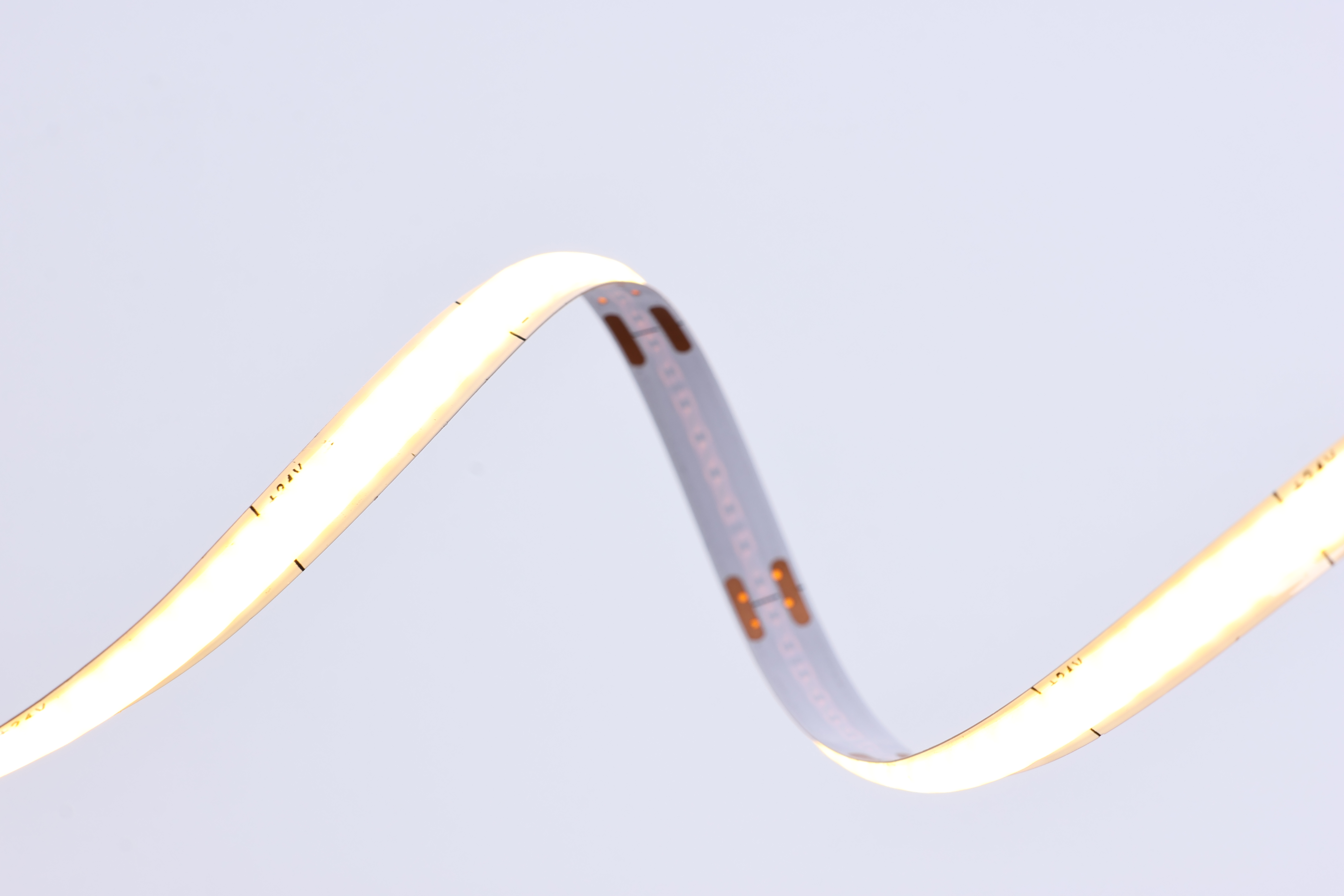
A tape light system represents a flexible lighting solution that has transformed how architects, interior designers, and facility managers approach illumination in residential and commercial spaces. Understanding the lifespan of these systems is essential for anyone planning a lighting investment, whether for kitchen under-cabinet applications, architectural accents, or ambient task lighting. The durability and performance longevity of tape light installations depend on multiple interconnected factors that extend far beyond simple component quality.
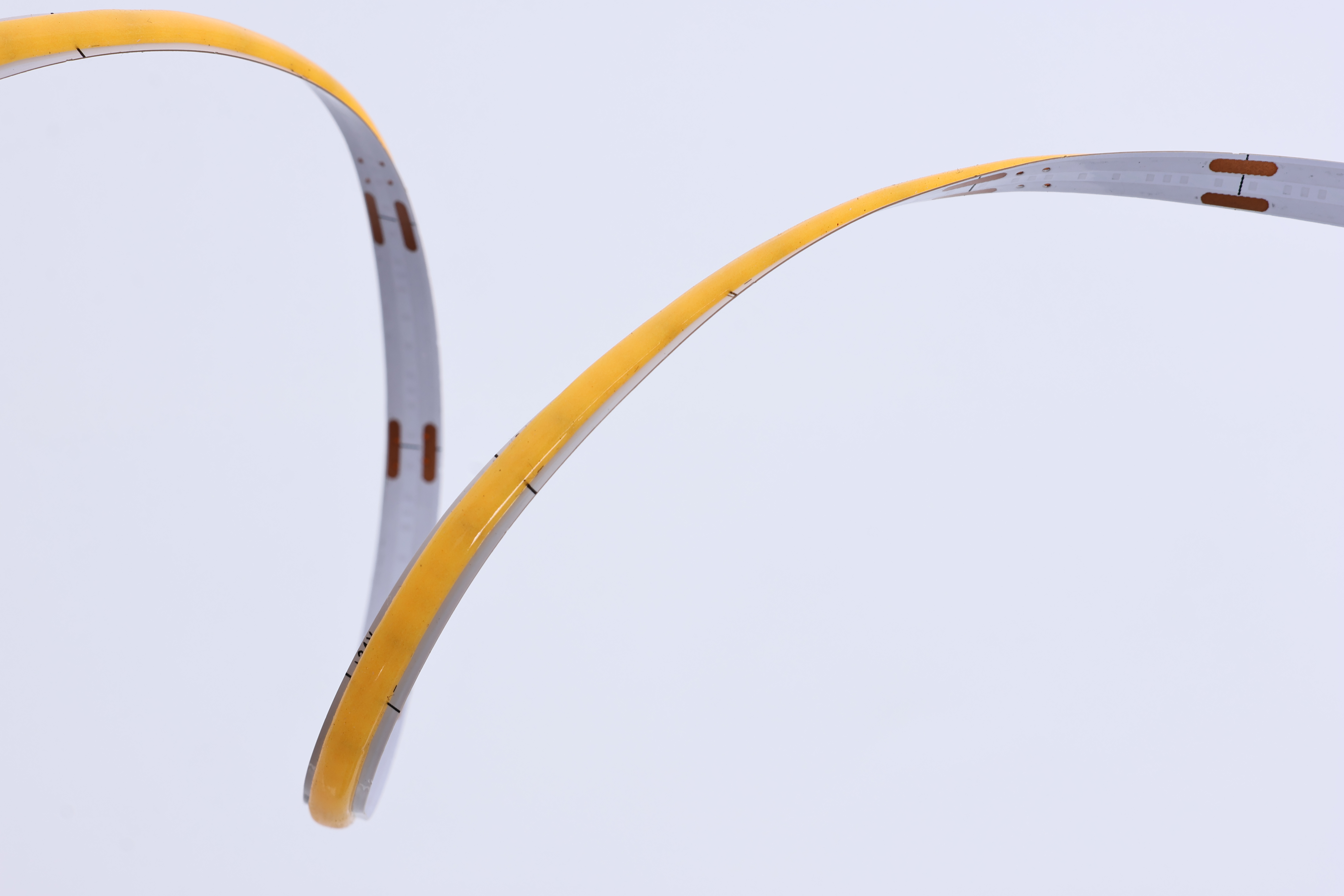
Modern LED tape lighting has revolutionized the commercial and residential lighting landscape, offering unprecedented design flexibility combined with energy efficiency. Most quality flexible light strips are engineered to deliver consistent performance over an extended operational window, with realistic lifespans typically ranging from 25,000 to 50,000 hours under standard conditions. This extended lifespan represents a significant advantage over traditional incandescent or halogen strip lighting, making adhesive strip lights an increasingly popular choice for projects where long-term reliability and minimal maintenance are priorities.
Understanding LED Tape Light Lifespan Fundamentals
Core Lifespan Ratings and Performance Windows
Professional-grade LED tape lighting systems are rated based on their L70 standard, which measures when light output degrades to 70 percent of initial brightness. Most commercial flexible light strips achieve rated lifespans of 30,000 to 50,000 hours under controlled conditions, with premium applications sometimes exceeding these benchmarks. This rating differs significantly from simple on-off failure rates; adhesive strip lights continue functioning well beyond their rated lifespan, though with gradually diminished brightness output over time.
Material Durability and Component Quality
The physical construction of LED tape lighting directly influences actual longevity. High-quality LED tape systems feature robust aluminum backing that provides thermal management and structural integrity, while the flexible substrate resists cracking and separation. Adhesive strip lights with premium polyimide tape backing maintain their integrity far longer than lower-grade alternatives, preventing moisture ingress and component separation that prematurely terminate performance. The solder joints connecting individual LED modules to conductive pathways represent critical durability factors; superior cold-solder techniques and reinforced connection points dramatically extend reliable operational lifespans.
Environmental and Installation Factors Affecting Longevity
Temperature Management and Heat Dissipation
Operating temperature represents perhaps the single most influential factor determining how long LED tape lighting systems perform reliably. Each 10-degree Celsius increase above ideal operating temperatures typically reduces expected lifespan by approximately 50 percent, a principle known as the Arrhenius degradation model. Flexible light strips installed in confined spaces without proper ventilation experience accelerated degradation, while systems with adequate airflow and thermal management maintain rated specifications throughout their intended service life. Poor heat dissipation in adhesive strip lights causes LED junction temperature elevation, accelerating internal material breakdown and premature component failure.
Moisture, Humidity, and Environmental Exposure
Environmental moisture represents a persistent threat to LED tape lighting longevity, particularly in bathroom, kitchen, and outdoor applications. While many modern flexible light strips feature waterproof or water-resistant ratings, extended exposure to high humidity gradually compromises electrical insulation and accelerates corrosion of conductive pathways. Adhesive strip lights with superior silicone encapsulation and sealed connector designs resist moisture infiltration far more effectively than basic open-frame construction, directly translating to extended operational lifespans in challenging environments.
Operational Practices and System Maintenance Impact
Electrical Supply Stability and Power Management
Consistent, stable electrical supply directly extends the practical lifespan of any LED tape lighting installation. Voltage fluctuations, power surges, and inconsistent current delivery stress LED circuits and accelerate aging processes, while clean, regulated power from quality drivers maintains optimal operating conditions. Flexible light strips paired with stabilized power supplies and surge protection devices demonstrate substantially longer real-world lifespans than systems connected to unstable or unregulated power sources. Many advanced tape light systems now incorporate intelligent current-limiting circuits that automatically protect against voltage irregularities.
Usage Intensity and Cycling Frequency
The operational duty cycle significantly influences LED tape lighting longevity, with continuous operation at moderate brightness levels typically extending lifespan compared to frequent on-off cycling or high-intensity operation. Professional installations that operate adhesive strip lights continuously at 70 percent brightness often achieve longer practical service life than systems subjected to frequent switching and high-power peak operation. Dimmable flexible light strips managed through intelligent control systems that minimize stress cycles tend to provide optimal longevity across extended service windows, with many installations remaining viable for 8 to 10 years of typical commercial use.
Maintenance Practices and System Care for Extended Life
Cleaning, Inspection, and Preventive Maintenance
Regular maintenance directly extends LED tape lighting system lifespan by preventing dust accumulation, moisture buildup, and component degradation. Gentle cleaning with soft, dry materials removes dust that compromises thermal performance, while periodic inspection identifies potential connector corrosion or adhesive deterioration before they cause system failure. Adhesive strip lights benefit from periodic checks of connection security, visible wiring integrity, and power supply stability, allowing technicians to address emerging issues before they cascade into complete system failure.
Strategic Replacement Planning and Component Upgrades
Forward-thinking facility managers implement planned replacement strategies that retire LED tape lighting systems before catastrophic failure occurs. This proactive approach maintains consistent light quality and prevents the gradual brightness decline that affects user comfort and task visibility. Flexible light strips in critical applications benefit from scheduled replacement intervals that align with facility upgrade cycles, ensuring that adhesive strip lights continue delivering optimal performance while still maintaining reasonable material and labor efficiency.
FAQ
How many hours of daily use do typical LED tape lighting systems endure before requiring replacement?
Most quality tape light systems rated at 30,000 to 50,000 hours can operate continuously for 3 to 6 years depending on environmental conditions, duty cycle, and maintenance practices. If a flexible light strip operates 8 hours daily in a controlled environment with proper heat management and stable electrical supply, realistic service life typically extends to 10 to 15 years. Actual longevity varies significantly based on installation quality, environmental factors, and operational intensity.
What environmental conditions most significantly reduce LED tape lighting lifespan?
Elevated temperatures, high humidity, moisture exposure, and poor heat dissipation represent the primary environmental factors that compress adhesive strip lights' operational lifespan. Installations in bathrooms, kitchens, outdoor environments, or confined spaces without ventilation experience accelerated degradation compared to controlled indoor settings. Even minor improvements in thermal management or moisture protection can substantially extend real-world longevity of any tape light system.
Can professional maintenance practices realistically extend flexible light strips' lifespan?
Yes, consistent maintenance including dust removal, connection verification, power supply monitoring, and thermal inspection can meaningfully extend LED tape lighting lifespan. Preventive care identifies emerging issues before they cause catastrophic failure, while proper environmental control and electrical stability support long-term performance. Professional installations with comprehensive maintenance programs frequently achieve 50 to 100 percent longer practical service life compared to neglected or improperly installed systems.
 EN