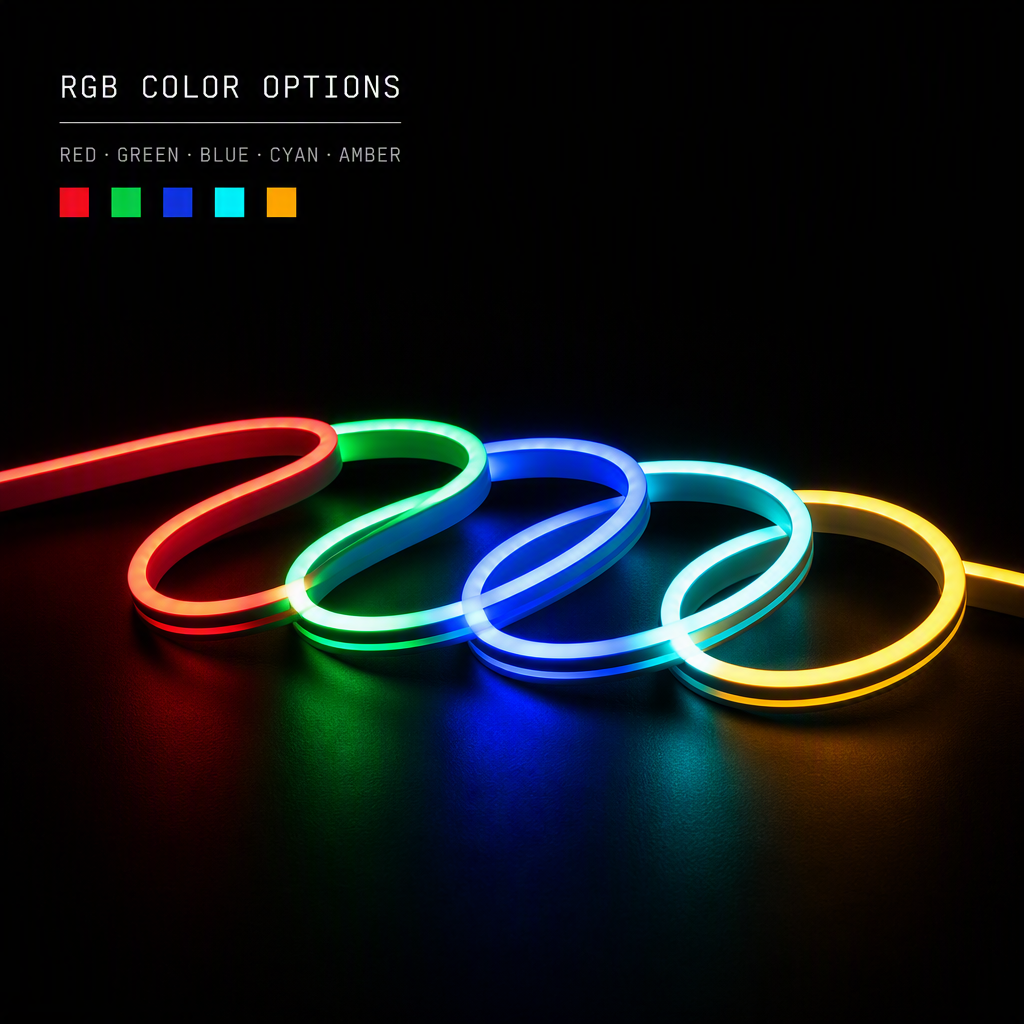
Understanding the brightness capabilities of a cob led strip is essential for selecting the right lighting solution for your space. Brightness levels vary significantly based on design, LED density, power consumption, and application requirements. Modern cob flexible lighting technology has revolutionized how commercial and residential environments achieve precise illumination control without traditional bulky fixtures.
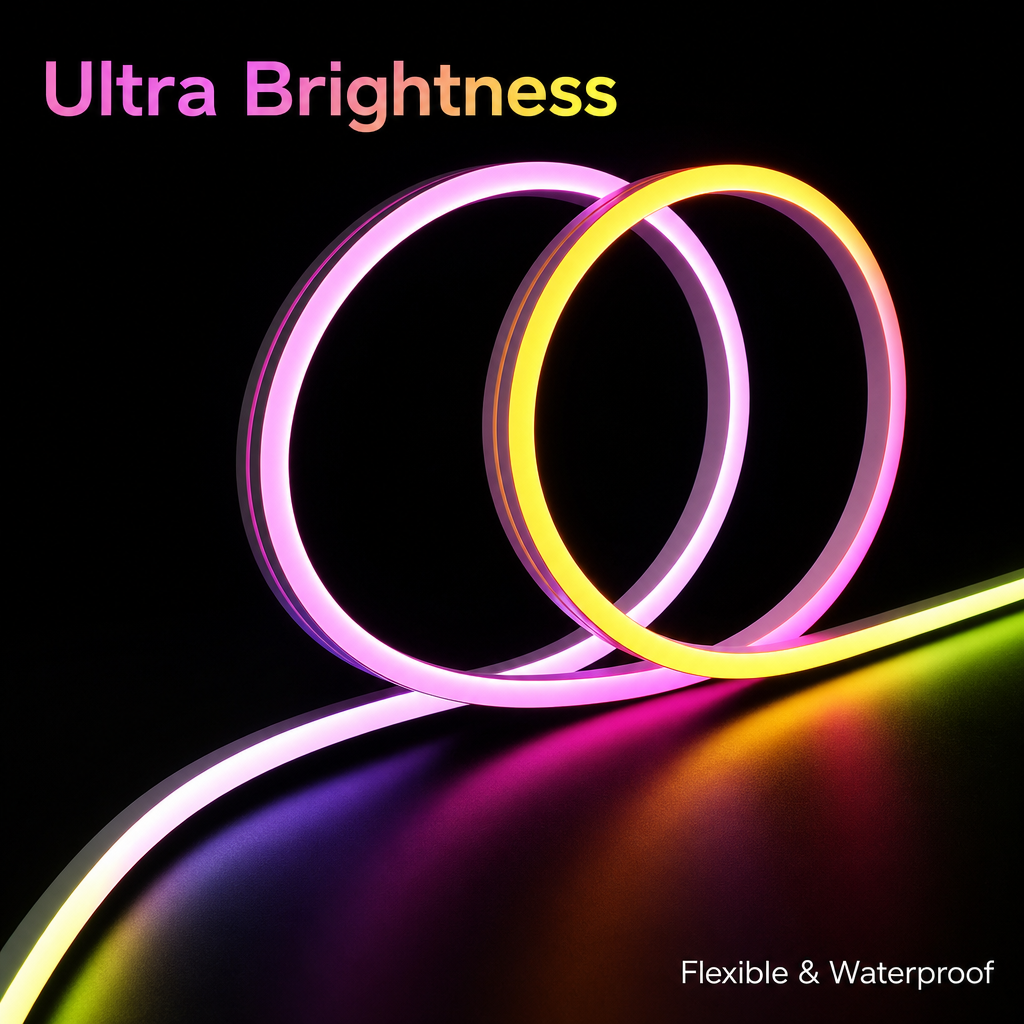
The brightness of continuous led tape products is typically measured in lumens, which quantifies the total light output. A high density led strip can deliver anywhere from 200 to over 1000 lumens per meter depending on specifications. Manufacturers design these products with varying LED chip counts and wattage ratings to meet different brightness demands, from ambient accent lighting to functional task illumination.
Understanding Brightness Measurement Standards
Lumens and Light Output Metrics
Brightness in cob flexible lighting products is fundamentally measured through lumens, the standard unit for total visible light output. A high density led strip typically produces between 400 and 950 lumens per meter in professional-grade applications. This measurement differs from older lighting standards because it accounts for human eye sensitivity across the light spectrum, making it more relevant for real-world visibility and functional lighting design.
The continuous led tape brightness varies based on several physical factors including chip size, chip density per meter, driving current, and thermal management. Industrial-grade cob led strip configurations might deliver double the output of basic models while consuming similar power levels, thanks to advanced optical design and superior heat dissipation engineering.
Color Temperature and Perceived Brightness
Perceived brightness also depends on color temperature, which ranges from warm 2700K to cool 6500K in modern cob flexible lighting systems. Warmer tones appear slightly dimmer to the human eye even at identical lumen ratings, while cooler temperatures feel brighter and more energizing. High density led strip products often offer tunable color temperature options, allowing users to optimize both actual and perceived brightness for specific environments.
Practical Brightness Levels for Common Applications
Under-Cabinet and Task Lighting
For kitchen and workspace under-cabinet installations, continuous led tape brightness typically ranges from 400 to 800 lumens per meter. This output level provides sufficient illumination for food preparation, desk work, and detailed tasks without creating glare or excessive heat. A cob led strip in this range balances energy efficiency with functional brightness, making it popular in both residential and commercial settings.
The high density led strip approach delivers concentrated light from a narrow form factor, which means light intensity is higher than traditional strip lights at equivalent total lumen output. This focused beam characteristic makes under-cabinet cob flexible lighting particularly effective for task illumination where concentrated brightness matters more than wide ambient coverage.
Accent and Ambient Lighting
Accent and ambient applications require lower brightness levels, typically 200 to 500 lumens per meter from continuous led tape products. These continuous led tape configurations work well for architectural highlighting, shelf edge illumination, or ambient room lighting where subtle brightness supports overall atmosphere rather than providing primary illumination. A cob led strip designed for accent work often prioritizes color rendering and consistency over maximum lumen output.
Factors Affecting Brightness Output
LED Chip Density and Configuration
The primary brightness driver in any high density led strip is the number of LED chips per linear meter and their individual power rating. Cob flexible lighting uses Chip-on-Board technology where multiple small LED dies are mounted directly onto a single substrate, enabling extremely high chip density. This cob led strip density directly correlates with potential brightness, with professional products featuring 100 to 200 LED chips per meter compared to standard strips with 60 chips per meter.
Advanced continuous led tape designs optimize chip arrangement and spacing to maximize light output while maintaining thermal stability. The high density led strip configuration requires sophisticated circuit design and thermal pathways to prevent brightness degradation from heat buildup during extended operation.
Power Supply and Driving Current
Brightness output scales with the driving current supplied to the cob flexible lighting system, typically ranging from 100mA to 1000mA per meter depending on product design. Higher current levels increase lumen output but require robust power supplies and thermal management to ensure reliability. A cob led strip operating at its maximum rated current delivers peak brightness, though many installations run at 70 to 80 percent capacity to extend lifespan and reduce heat generation.
Dimming capability adds flexibility to continuous led tape brightness control, allowing users to reduce output from full brightness down to 1 to 10 percent in most modern systems. This adaptability makes high density led strip products suitable for spaces requiring variable illumination throughout the day or season.
FAQ
What is the typical brightness range for a standard COB LED strip?
Standard cob flexible lighting products typically achieve brightness levels between 300 and 800 lumens per meter, with professional-grade cob led strip reaching up to 1000 lumens per meter or higher. The exact output depends on the number of LED chips, driving current, and thermal design of the specific product model.
How does high density LED strip brightness compare to traditional LED strips?
A high density led strip delivers significantly more brightness per linear meter than conventional LED strips, often 40 to 60 percent higher output at similar power consumption. The continuous led tape technology concentrates light from a narrower form factor, creating more intense illumination suitable for task and accent applications where focused brightness is preferred.
Can continuous LED tape brightness be adjusted or dimmed?
Yes, most modern cob flexible lighting products support PWM dimming, allowing brightness control from full output down to 1 to 10 percent depending on the driver specifications. A cob led strip with dimming capability provides flexibility for different times of day and space usage patterns while maintaining consistent color quality across the entire brightness range.
 EN