 EN

what-should-you-know-before-purchasing-diodes-and-leds, what-should-you-know-before-purchasing-diodes-and-leds, /news
EN
2026/10/18
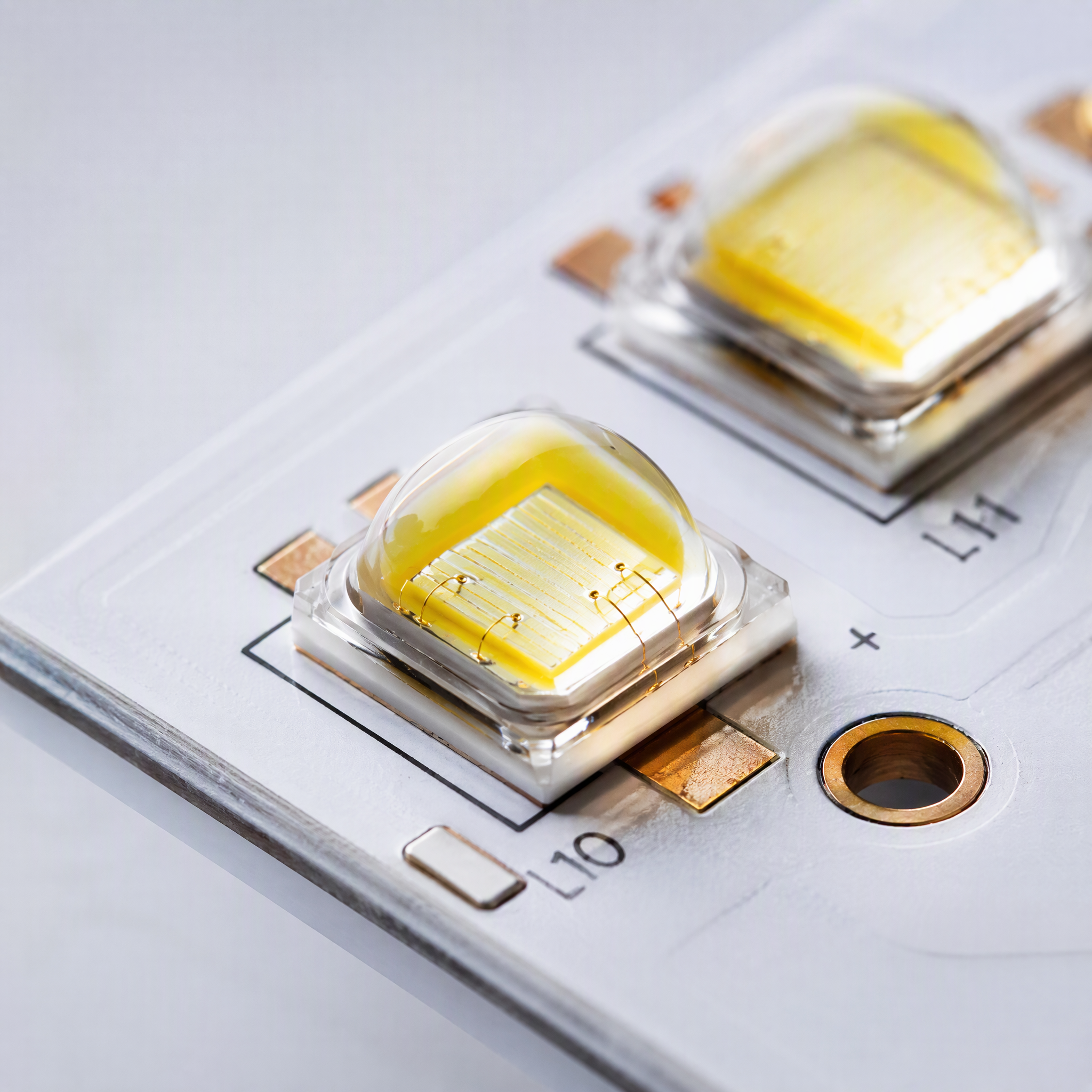
Purchasing diodes and LEDs requires careful consideration of multiple technical and operational factors that directly impact project success and long-term cost efficiency. Whether you are designing industrial lighting systems, consumer electronics, or specialized sensing applications, understanding the key specifications and performance metrics of these semiconductor light emitting devices will help you select components that match your exact requirements and budget constraints.
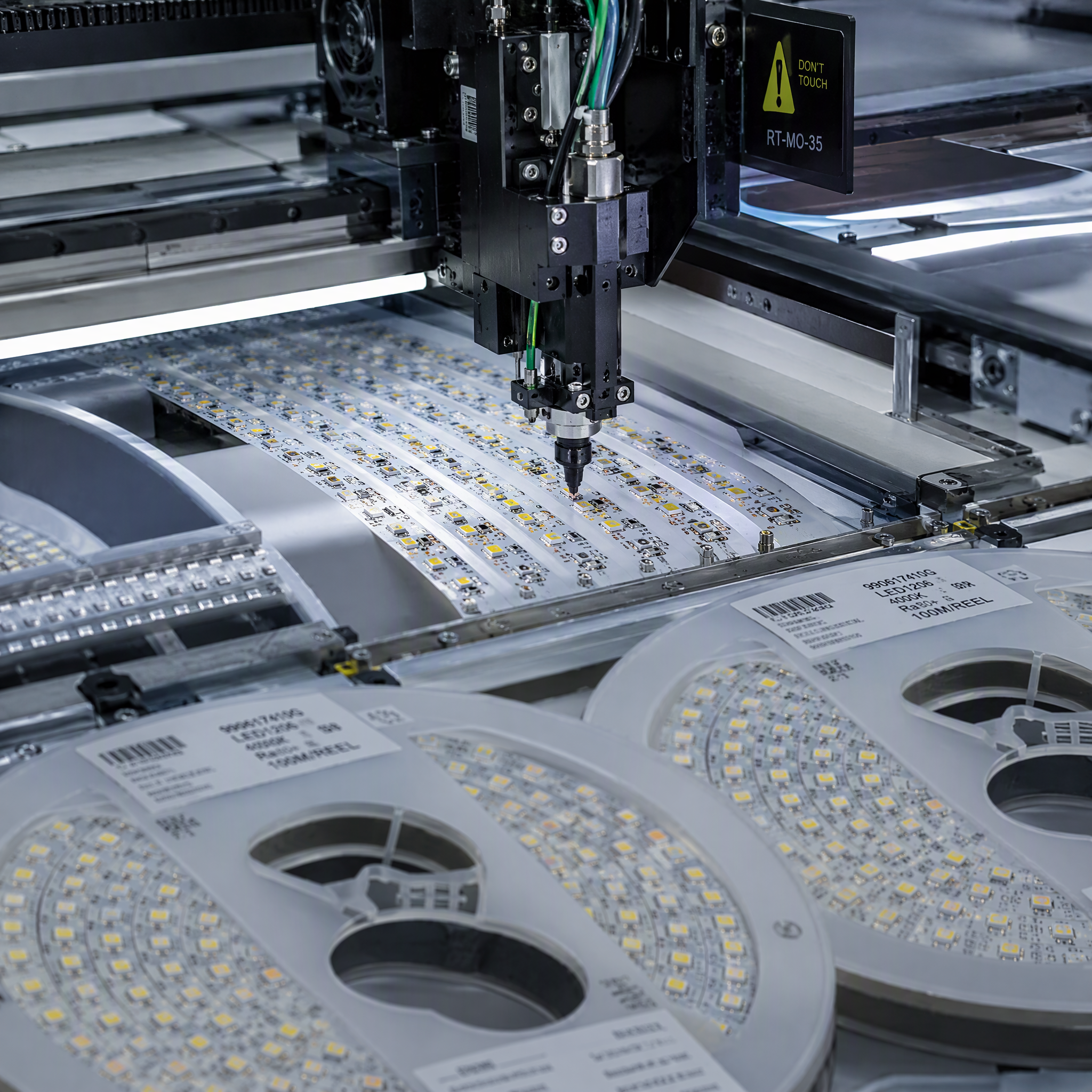
The semiconductor light emitting devices market offers tremendous diversity in specifications, brightness ratings, color temperatures, and efficiency levels. Before committing to a purchase, you must evaluate how these components will perform under your specific operating conditions, assess compatibility with your existing systems, and determine whether the cost aligns with the expected lifespan and performance benefits. This guide walks you through the essential decision factors that purchasing managers, engineers, and system designers should evaluate when sourcing these critical components.
Brightness specifications for semiconductor light emitting devices are typically measured in lumens, which quantifies the total visible light output. The luminous flux rating directly influences whether a component will meet your illumination requirements in residential, commercial, or industrial settings. Before purchasing, verify that the rated lumens output exceeds your minimum lighting threshold by at least 15 to 20 percent to account for natural degradation over the component's lifespan.
LED efficiency and performance metrics include luminous efficacy, measured in lumens per watt, which tells you how effectively the device converts electrical energy into visible light. Higher efficacy ratings reduce operational costs and heat generation, making efficient semiconductor light emitting devices particularly valuable in energy-sensitive applications. Compare the lumens-per-watt rating across candidate products to identify the most energy-efficient options within your price range.
Color temperature, measured in Kelvin, determines the perceived warmth or coolness of the light produced by diodes and LEDs. Warm white light typically ranges from 2700K to 3000K and creates comfortable ambiance for residential spaces, while cool white between 4000K and 6500K suits industrial, commercial, and detailed task work. The Color Rendering Index, or CRI, measures how accurately the light renders object colors compared to natural daylight, with ratings from 0 to 100.
A CRI of 90 or higher ensures accurate color representation, which is essential for retail displays, photography, medical applications, and any environment where color accuracy matters. When selecting semiconductor light emitting devices, balance your color temperature preference against the required CRI score to ensure both visual comfort and functional accuracy in your specific application context.
Heat management significantly impacts the reliability and longevity of diodes and LEDs in continuous-operation environments. These semiconductor light emitting devices generate heat during operation, and excessive thermal stress accelerates component degradation and reduces rated lifespan. Review the thermal resistance specifications and ensure your application includes adequate heat dissipation through proper mounting surfaces, heatsinks, or active cooling systems if necessary.
Most quality semiconductor light emitting devices maintain rated performance for 25,000 to 50,000 hours under normal operating conditions, with premium products reaching 100,000 hours or more. Calculate the expected runtime in your specific application and project the replacement cycle to estimate total cost of ownership. Components operating near thermal limits experience shortened lifespan, so investing in proper thermal design pays dividends through extended reliability.
Beyond simple illumination, photodiode applications include light sensing, motion detection, and optical communication systems where sensitivity and response time are critical. If your project involves photodiode applications, verify that the component's spectral response matches your light source and that the device's rise and fall times support your signal processing requirements. Photodiode applications often demand faster switching speeds and more precise wavelength matching than general illumination uses.
When evaluating photodiode applications in sensing systems, examine the dark current specifications and signal-to-noise ratio to ensure adequate performance in your operating environment. Weak ambient light conditions, high ambient noise, or rapid switching requirements may necessitate premium photodiodes with superior sensitivity characteristics. Understanding these specialized requirements prevents costly integration failures and performance bottlenecks in sensor-based systems.
Diodes and LEDs operate within specific voltage and current ranges that must align precisely with your power supply and control electronics. Forward voltage varies by color and type, typically ranging from 2 to 3 volts for red light and 3 to 4 volts for blue or white semiconductor light emitting devices. Exceeding the maximum forward current rating causes immediate degradation or catastrophic failure, while insufficient current produces inadequate brightness and poor color consistency.
Calculate the total power consumption by multiplying the number of components, their forward voltage, and operating current to ensure your power supply delivers adequate capacity. Account for voltage drops across drivers, current-limiting resistors, and wiring when sizing the power supply. Undersized power supplies create voltage fluctuations that shorten component lifespan and produce inconsistent brightness and color across installations.
Modern diodes and LEDs support various dimming technologies including PWM dimming, analog dimming, and smart control via WiFi or Bluetooth protocols. Before purchasing, verify that the components support your preferred control method and that the dimming range meets your application needs. Some budget semiconductor light emitting devices may not dim smoothly or may exhibit color shifts when dimmed, creating quality issues in dynamic lighting applications.
Verify compatibility between diodes and LEDs and your existing control infrastructure, whether that involves wall dimmers, programmable controllers, or smart home systems. Incompatible components require additional adapters or replacement drivers, increasing installation costs and complexity. Test dimming performance across the full range before large-scale deployment to avoid surprises during final commissioning.
Quality diodes and LEDs typically deliver 25,000 to 50,000 operating hours under normal conditions, with premium semiconductor light emitting devices reaching 100,000 hours or more. Actual lifespan depends heavily on thermal management, operating current, and environmental conditions. Components operating near maximum thermal or current limits experience significantly shortened lifespan, so proper application engineering extends reliability and reduces replacement costs over the component lifecycle.
Color temperature selection depends on the application context and desired visual effect. Warm white between 2700K and 3000K creates comfortable residential ambiance, neutral white around 4000K suits general commercial spaces, and cool white from 5000K to 6500K enhances alertness and accuracy for industrial or detailed work. When precise color rendering matters, specify semiconductor light emitting devices with CRI 90 or higher to ensure accurate color representation regardless of the color temperature you select.
LED efficiency and performance depends on forward current, operating temperature, power supply voltage stability, and thermal dissipation design. Driving diodes and LEDs at rated current with stable voltage produces peak efficiency, while derating components by 20 percent below maximum ratings significantly extends lifespan. Proper heatsinking, thermal contact, and airflow management maintain optimal operating temperatures and preserve the lumen output and color consistency that photodiode applications and illumination systems require throughout the component's operational life.
