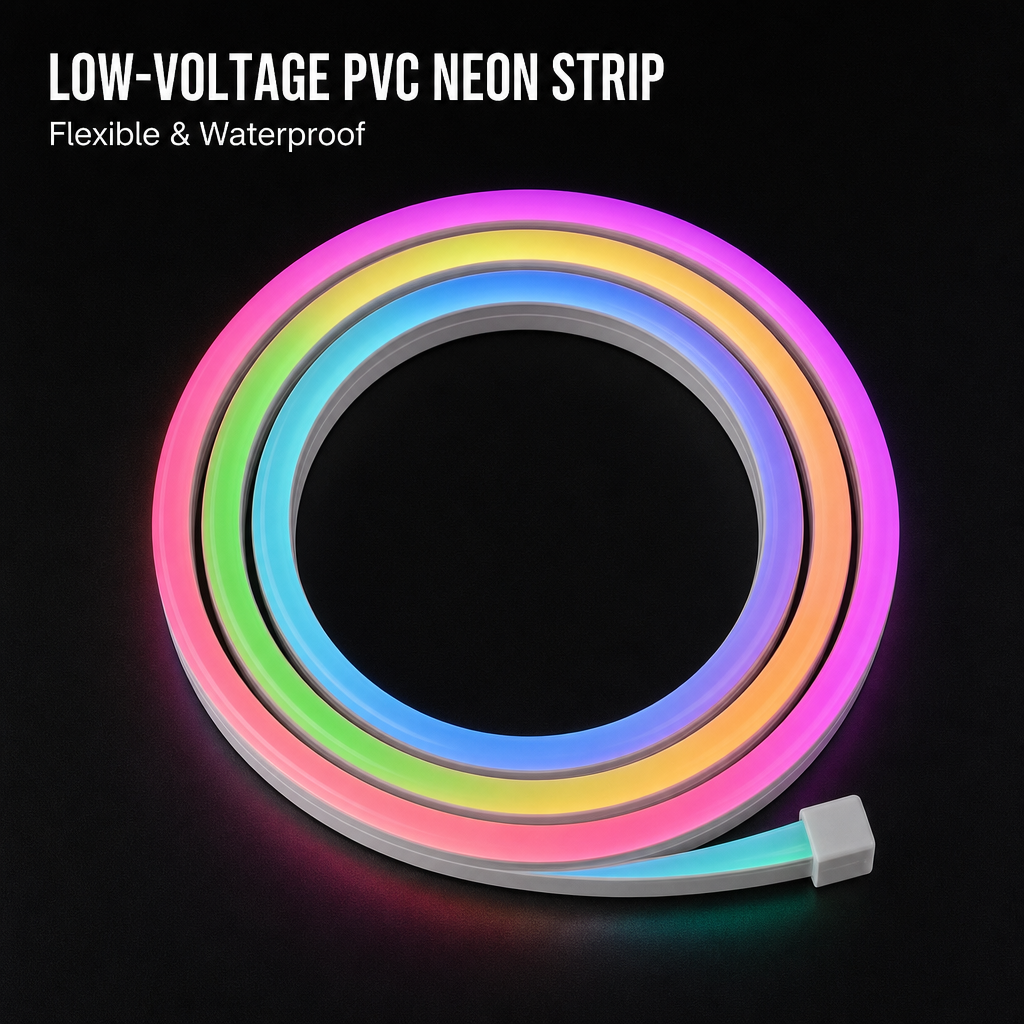
The lifespan of a cob led strip is one of the most important considerations when investing in modern lighting solutions. Unlike traditional incandescent or fluorescent bulbs, COB LED technology offers exceptional longevity that can reach 30,000 to 50,000 hours or more under ideal operating conditions. This translates to years of reliable performance in residential, commercial, and industrial applications. Understanding the actual lifespan and the factors that influence durability helps you make informed purchasing decisions and plan maintenance schedules effectively.
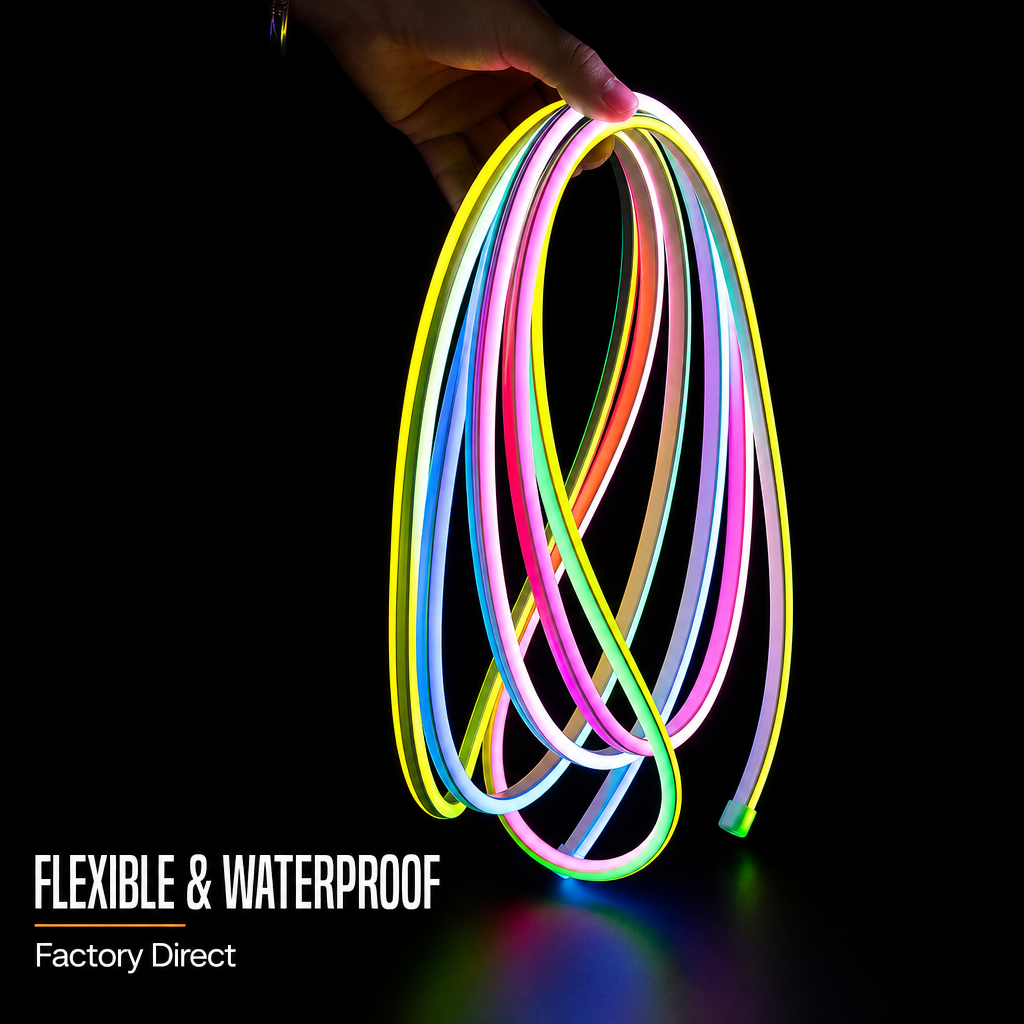
A high density led strip using COB (Chip-on-Board) technology represents a significant advancement in flexible lighting design. The continuous led tape construction with multiple diodes packed closely together ensures uniform light distribution and superior brightness compared to conventional LED strips. When properly installed and maintained, these fixtures can deliver consistent performance across installation environments ranging from kitchen under-cabinet lighting to architectural accent applications. The actual lifespan depends on several interconnected factors that extend beyond the theoretical maximum hours ratings.
Understanding COB LED Lifespan and Operating Hours
The Standard Lifespan Rating
Most quality cob flexible lighting products are rated for 30,000 to 50,000 operating hours, with premium models reaching 70,000 hours or beyond. This rating represents the point at which the fixture typically maintains 70 percent of its original brightness output, known as the L70 value in industry standards. For practical context, 50,000 hours equals approximately eleven years of continuous eight-hour daily operation or twenty-three years of typical four-hour daily use. The high density led strip construction enables these extended ratings by distributing thermal and electrical loads across numerous diodes rather than concentrating stress on a few components. Understanding this distinction helps you calculate realistic replacement timeframes based on your specific usage patterns and application requirements.
Real-World Duration Factors
The actual lifespan of a continuous led tape installation often differs from laboratory ratings due to environmental conditions and usage intensity. Operating temperature plays a critical role—every ten-degree Celsius increase above the rated temperature can halve the expected lifespan. A cob led strip functioning in a cool, climate-controlled environment may easily achieve its rated hours, while the same fixture in a hot attic or near heat-generating equipment may degrade faster. Additionally, power supply quality, voltage stability, installation humidity levels, and frequency of on-off cycling all influence real-world durability. Professional installations typically account for these variables by selecting fixtures rated for conditions slightly more demanding than actual expected usage.
Critical Factors Affecting COB LED Strip Durability
Thermal Management and Heat Dissipation
Thermal management is the primary determinant of whether your high density led strip achieves its rated lifespan or fails prematurely. LED diodes generate heat, and without proper dissipation, this heat accumulates and degrades the diode materials, phosphor coatings, and solder joints. Quality cob flexible lighting designs include aluminum backing or heat sink channels that conduct heat away from the LED elements toward the mounting surface or ambient air. Installations that restrict airflow around the fixture or mount the continuous led tape directly against insulation can experience accelerated failure rates. Professional installers ensure adequate ventilation clearance and use thermal conductive mounting materials to maintain optimal operating temperatures.
Power Supply Quality and Voltage Regulation
A stable, high-quality power supply is essential for maximizing the lifespan of a cob led strip. Voltage fluctuations, power surges, and inadequate current capacity force the LEDs to work harder than designed, reducing their operational life significantly. Cheap or undersized power supplies often cannot regulate voltage effectively, causing unnecessary stress on internal components. Selecting a power supply rated for your specific cob flexible lighting installation with built-in surge protection and voltage regulation extends fixture reliability considerably. Many premium continuous led tape products include integrated drivers that manage power delivery, further protecting the diodes from electrical stress and environmental interference.
Installation Environment and Operating Conditions
Environmental factors surrounding your high density led strip installation directly impact durability outcomes. Moisture, dust, temperature extremes, and UV exposure all accelerate degradation if the fixture lacks appropriate protection. Wet or humid installations require fixtures with IP65 or higher waterproof ratings to prevent corrosion of solder joints and component failure. Dust accumulation reduces light output and traps heat, so installations in dusty industrial environments benefit from sealed enclosures or regular cleaning. Temperature stability matters more than absolute temperature—fixtures experiencing wide temperature swings may fail faster than those in consistently hot but regulated environments. The cob led strip's flexible design makes it suitable for challenging installations, but selecting the right environmental protection ensures it reaches its full rated lifespan.
Extending the Lifespan of Your COB LED Strip Fixtures
Proper Installation and Maintenance Practices
Correct installation of your cob led strip significantly influences long-term performance. Ensure mounting surfaces are clean, dry, and thermally conductive—avoid installing the continuous led tape over insulation materials that trap heat. Use quality thermal adhesive or mounting clips that maintain intimate contact between the fixture backing and the installation surface. Avoid sharp bends or kinks in cob flexible lighting products, as these stress the internal conductors and diodes. Regular maintenance includes inspecting connections for corrosion, verifying voltage readings at the fixture terminals, and ensuring cooling pathways remain unobstructed. Many commercial installations benefit from scheduled inspections every six to twelve months to identify potential issues before they develop into failures.
Choosing Quality Products and Proper Sizing
Investing in high-quality cob led strip products from reputable manufacturers typically results in longer actual lifespan and better performance throughout the fixture's life. Quality products feature premium LED chips with better thermal properties, robust solder connections, and stable drivers that protect against electrical stress. Selecting a continuous led tape with appropriate brightness and color specifications for your application prevents the need for oversizing or underutilizing the fixture, both of which can reduce lifespan. High density led strip options allow you to achieve desired brightness using shorter lengths, which may operate cooler and last longer than lower-efficiency alternatives requiring extended runs. Comparing warranty periods and manufacturer ratings provides additional confidence in expected durability and product reliability.
Environmental Control and Usage Optimization
Active environmental management extends cob flexible lighting lifespan considerably beyond minimal installation standards. Installing fixtures in climate-controlled spaces whenever possible prevents temperature-related stress and thermal cycling that degrades components. Using dimmers or occupancy controls to reduce operating hours when full brightness is unnecessary can significantly extend the service life of your high density led strip. In applications requiring 24/7 operation, ensuring adequate cooling and selecting fixtures rated for continuous duty rather than intermittent use prevents premature failure. Protecting installations from direct moisture exposure, UV radiation, and extreme temperature fluctuations through enclosures, covers, or strategic placement maximizes the years of service you receive from your continuous led tape investment.
FAQ
How many hours of operation can I expect from a quality cob led strip?
Most quality cob led strip fixtures are rated for 30,000 to 50,000 operating hours, with some premium models reaching 70,000 hours or more. This translates to approximately eleven to twenty-three years depending on daily usage patterns. However, actual lifespan depends heavily on installation conditions, thermal management, power supply quality, and environmental factors affecting the high density led strip performance.
What temperature range is ideal for cob flexible lighting installations?
Most cob flexible lighting products operate optimally between fifteen and forty degrees Celsius. Operating temperatures above forty-five degrees Celsius significantly reduce lifespan, with every ten-degree increase potentially halving the expected hours. Proper thermal management through adequate cooling surfaces and ventilation ensures your continuous led tape maintains performance within the ideal temperature range throughout its operational life.
Can I extend the lifespan of my high density led strip through maintenance?
Yes, regular maintenance substantially extends the lifespan of your high density led strip installation. Cleaning dust accumulation, inspecting electrical connections, verifying voltage stability, and ensuring adequate cooling pathways all contribute to maximum longevity. Addressing minor issues early and maintaining optimal operating conditions can add years to your continuous led tape's service life compared to neglected installations.
 EN