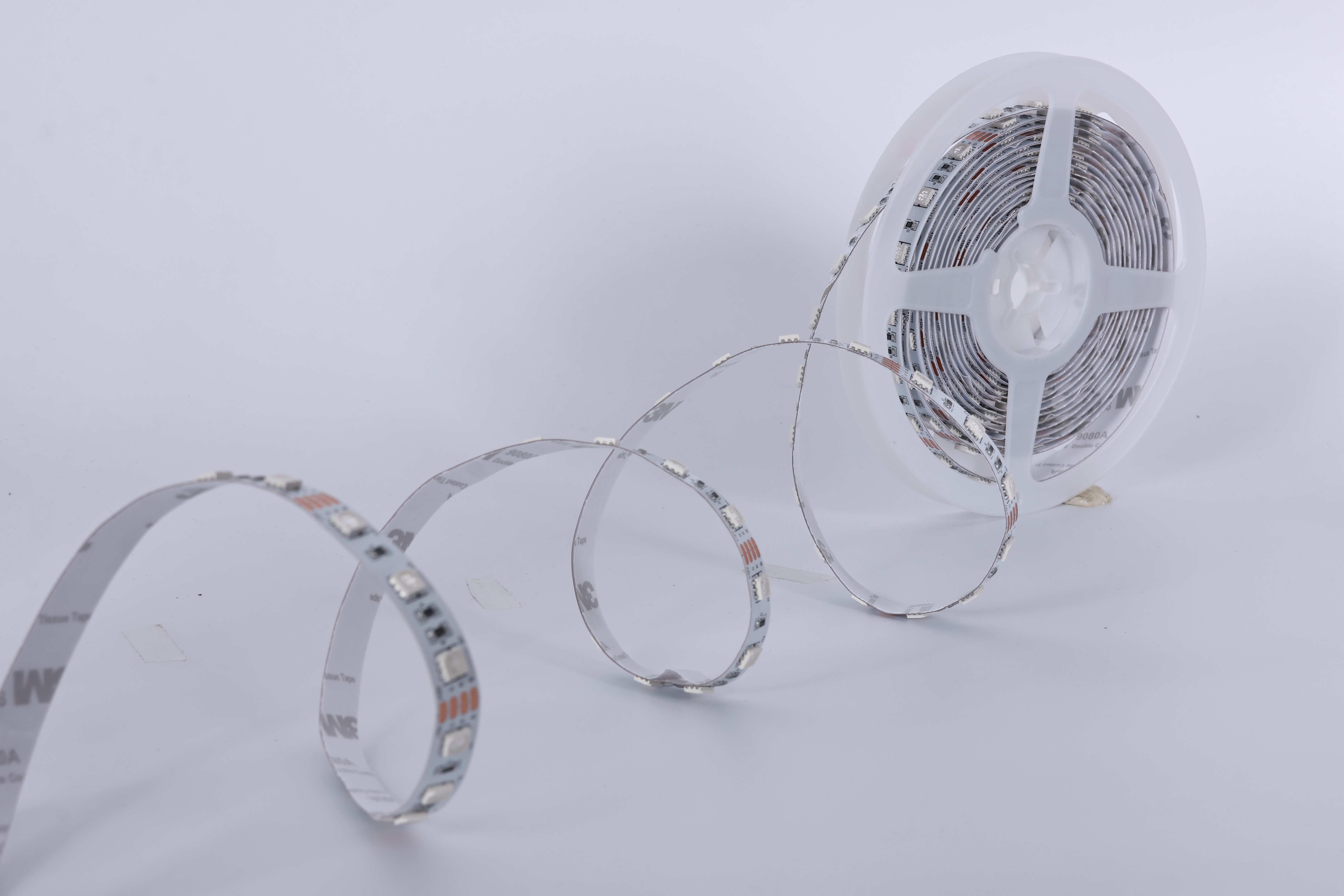
Modern interior design constantly seeks innovative solutions that combine functionality with aesthetic appeal, and tape light has emerged as a transformative tool for achieving sophisticated, contemporary spaces. Unlike traditional lighting fixtures that require extensive installation and infrastructure changes, LED tape lighting offers flexibility, precision, and creative freedom that fundamentally reshape how interior environments are lit and perceived. Whether you're designing a residential kitchen, commercial workspace, or luxury retail environment, understanding how to leverage adhesive strip lights opens entirely new possibilities for ambiance, functionality, and visual impact.
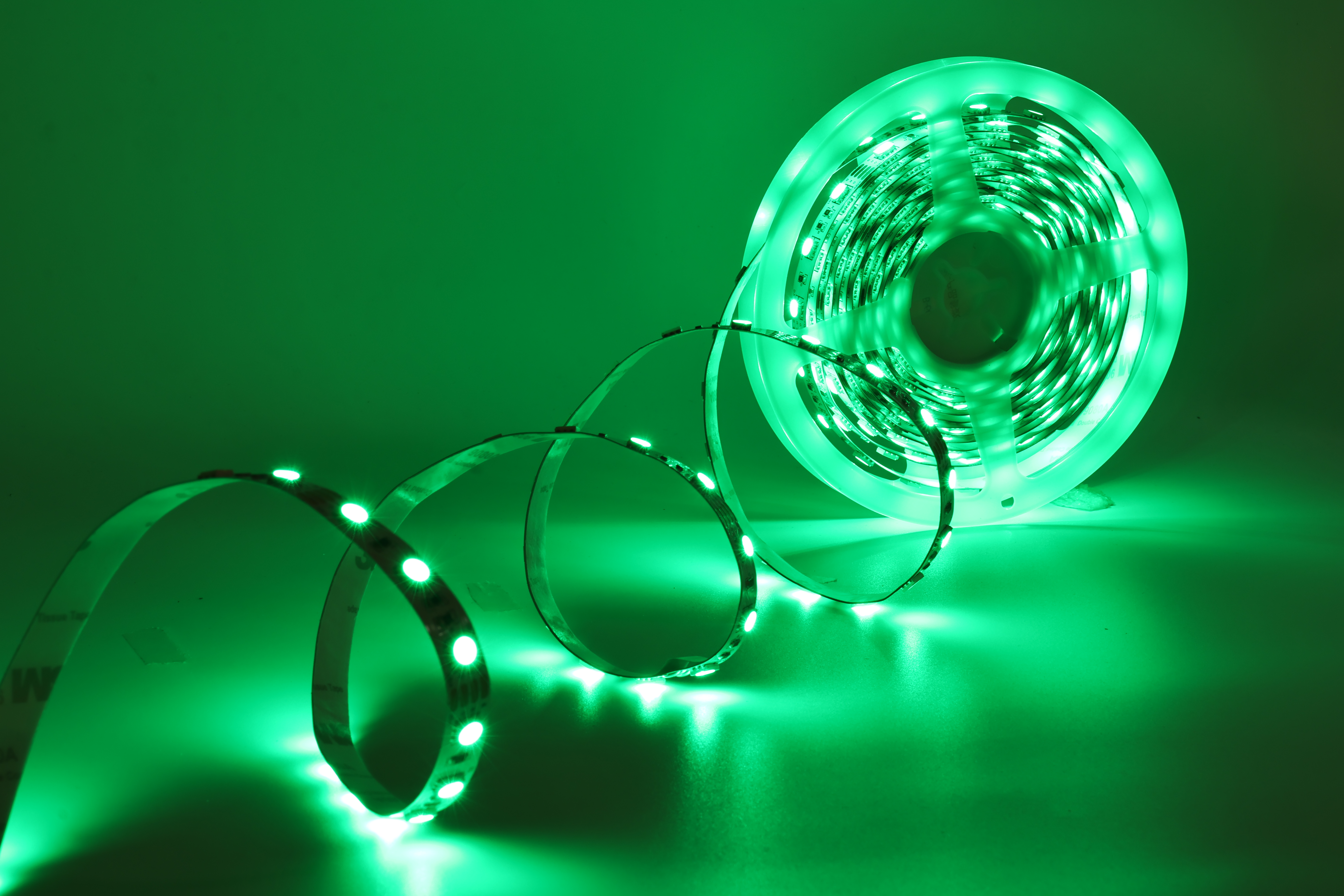
The transformation potential of flexible light strips extends far beyond conventional illumination. These innovative lighting solutions enable designers to accentuate architectural features, establish layered lighting schemes, create focal points, and establish mood without structural constraints. The versatility of adhesive strip lights means you can highlight crown molding, enhance kitchen islands, define wall contours, or create dramatic ambient effects that would be prohibitively expensive or impractical with traditional lighting installations.
Understanding The Design Potential of LED Tape Lighting
Architectural Enhancement and Visual Storytelling
LED tape lighting excels at bringing architectural details into focus and creating visual narratives within spaces. When strategically placed along architectural edges, recessed areas, or structural elements, flexible light strips reveal dimensions and textures that remain dormant under conventional lighting. This creates depth, sophistication, and professional design execution. The continuous, unobtrusive nature of tape light allows designers to emphasize important spatial features while maintaining clean aesthetics. High-quality LED tape lighting produces consistent color temperatures and brightness that highlight materials—whether marble, wood, stone, or metal—with precision that enhances their inherent beauty.
Layered Lighting and Atmospheric Control
Professional interior design relies on layered lighting schemes combining ambient, task, and accent lighting. Adhesive strip lights serve as an exceptional accent layer, enabling spatial complexity and mood adaptability. Unlike fixed overhead fixtures, flexible light strips can be dimmed, color-adjusted, and repositioned to shift the entire atmospheric character of a space. This adaptability means a single installation can transition from energetic daytime functionality to relaxing evening ambiance through simple control adjustments. The ability to customize lighting intensity and color temperature makes LED tape lighting invaluable for spaces requiring versatile functionality.
Practical Application Strategies for Maximum Impact
Kitchen and Under-Cabinet Installation
Kitchen environments demonstrate tape light versatility exceptionally well, where under-cabinet applications combine practical task lighting with design sophistication. Adhesive strip lights mounted beneath cabinets illuminate countertop work areas while simultaneously creating visual interest and spatial definition. This installation reduces shadows, improves functionality, and transforms kitchens from purely utilitarian spaces into design-forward environments. The continuous illumination from flexible light strips provides even, consistent brightness superior to point-source fixtures. Additionally, LED tape lighting generates minimal heat compared to traditional halogen under-cabinet options, making it safer for kitchens where proximity to food preparation areas matters significantly.
Accent Walls and Architectural Framing
Accent walls represent another powerful application for LED tape lighting, where flexible light strips mounted at baseboard level, crown level, or behind floating shelving create stunning visual effects. The directional illumination from adhesive strip lights casts subtle shadows that emphasize texture and dimension in ways flat lighting cannot achieve. Contemporary interior designers leverage this technique to transform ordinary walls into dramatic focal points, define spatial zones, and establish visual hierarchy. The placement possibilities are virtually unlimited—wrap tape light around doorways, frame artwork, outline ceiling perimeters, or highlight architectural recesses to create bespoke design statements aligned with specific aesthetic visions.
Selecting and Installing Effective Lighting Solutions
Color Temperature and Quality Considerations
Not all LED tape lighting delivers equivalent results, as color temperature, color rendering index (CRI), and brightness consistency significantly impact final design outcomes. Warm white options (2700K-3000K) create inviting, residential atmospheres suitable for living spaces, while neutral white (4000K-5000K) supports productivity in commercial or task-oriented environments. High CRI ratings ensure colors throughout the space appear true and vibrant under the tape light illumination. Premium flexible light strips maintain consistent brightness across their entire length, preventing visible hot spots or dimming that compromises design intent. Professional-grade adhesive strip lights typically offer superior longevity, reliability, and color stability compared to budget alternatives.
Integration With Smart Control Systems
Modern tape light systems integrate seamlessly with smart home technology, enabling programmable lighting scenarios, remote adjustments, and automation capabilities. This integration allows spaces to shift between different moods and functionality levels automatically or through user control. Designers can program lighting sequences that correspond to time of day, occupancy, or specific activities, creating personalized environmental experiences. The combination of flexible light strips with smart controls transforms spaces into responsive, adaptive environments that enhance user experience while maintaining design consistency. This technology integration appeals particularly to contemporary residential and commercial projects seeking sophisticated automation features.
FAQ
Can tape light provide sufficient illumination for primary task lighting?
While adhesive strip lights excel at accent and ambient applications, they typically complement rather than replace primary task lighting due to their linear geometry and moderate output density. However, high-output LED tape lighting can function effectively as under-cabinet or accent illumination in kitchens and workspaces. For comprehensive task lighting requirements, designers typically layer flexible light strips with additional fixtures to achieve necessary brightness levels. The real value of tape light emerges when combined strategically within broader lighting schemes.
How long do quality flexible light strips typically last?
Premium LED tape lighting from reputable manufacturers commonly provides 30,000 to 50,000 operating hours, translating to a decade or longer in residential applications. Professional-grade adhesive strip lights generally outlast consumer-grade alternatives substantially. Proper installation, appropriate power supply specifications, and environmental protection from moisture and extreme heat extend lifespan significantly. Regular maintenance and protection from physical damage help preserve lighting performance and reliability throughout extended service periods.
What surfaces work best for adhering flexible light strips?
Smooth, clean, dry surfaces provide optimal adhesion for tape light installations, with plastic, aluminum, and painted drywall representing ideal substrates. Textured surfaces, oily finishes, or dusty environments compromise adhesive effectiveness considerably. For challenging surfaces, mechanical mounting clips or aluminum channels offer superior alternatives to adhesive mounting. Surface preparation—cleaning with appropriate solvents and allowing adequate drying time—dramatically improves installation success rates and adhesive strip light longevity across various environments.
 EN