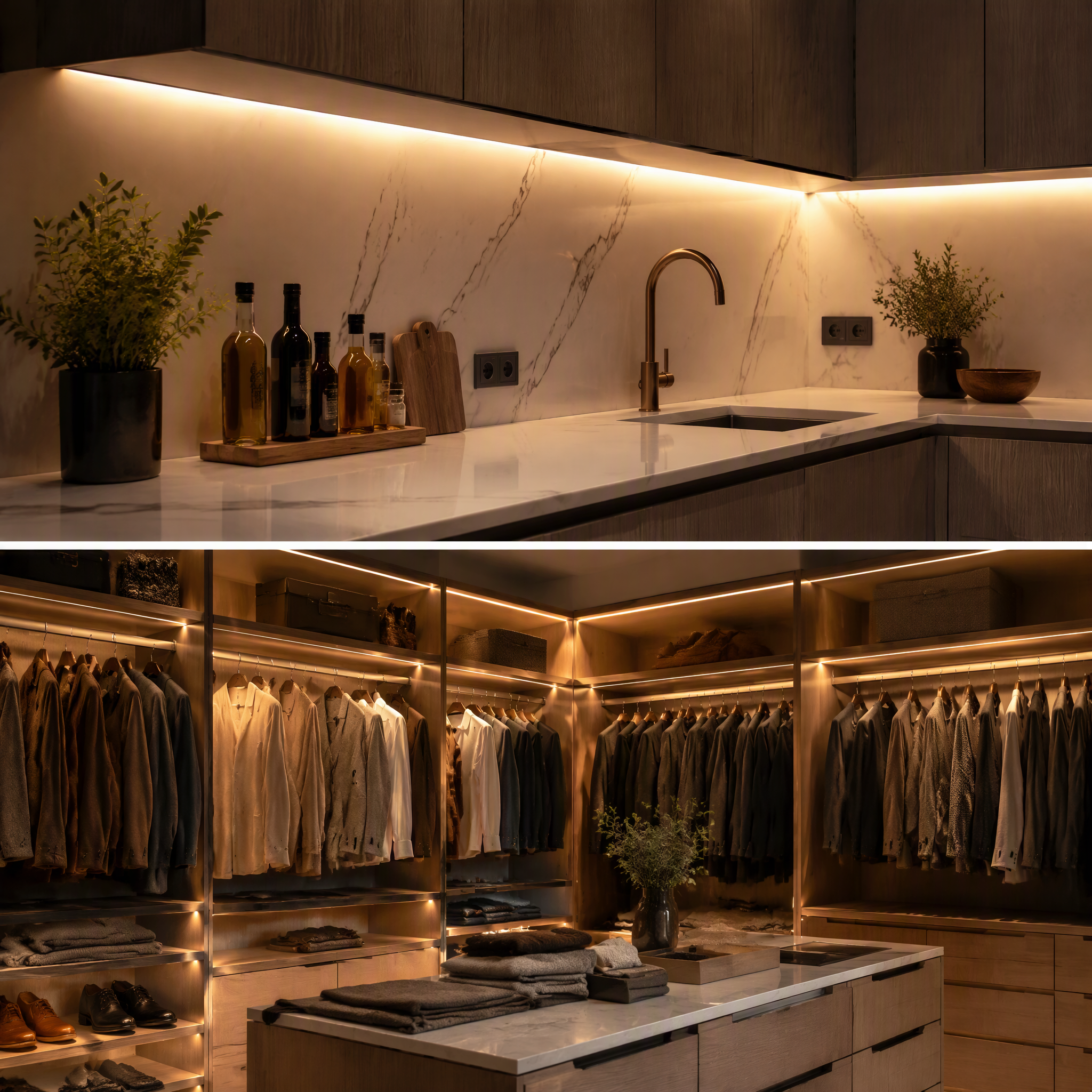
Modern lighting design demands precision, efficiency, and visual appeal. An led channel is a critical component that transforms how designers approach illumination solutions. Whether you're designing architectural accent lighting, task lighting, or ambient environments, understanding the role of channel profiles elevates your project outcomes. The led channel profile serves as both a functional housing and a design tool, integrating thermal management with aesthetic control. Industrial and commercial applications benefit significantly from proper channel selection and installation.
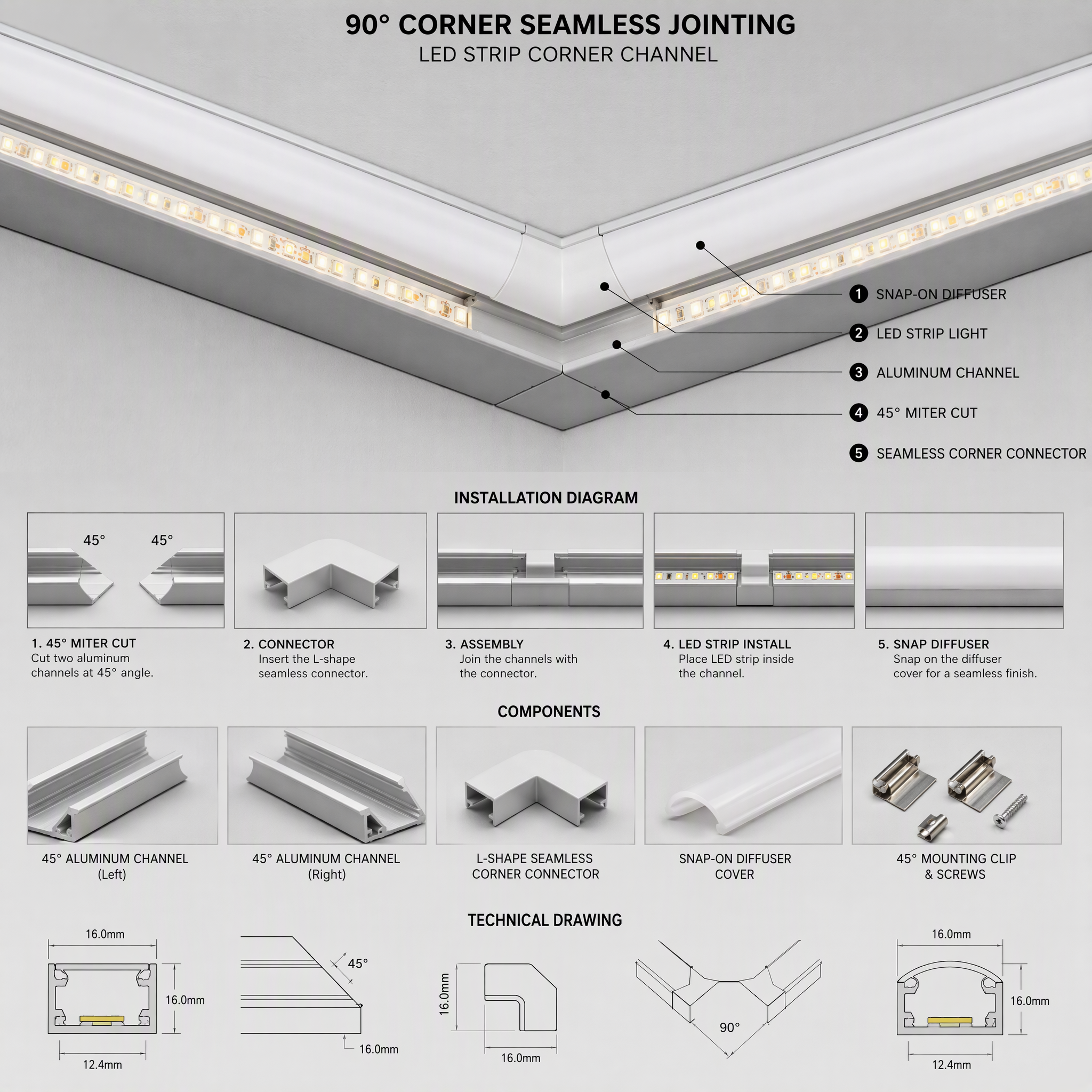
The integration of linear led lighting technology into architectural spaces requires careful consideration of installation methods and visual outcomes. An aluminum led housing protects LED strips from environmental damage while allowing designers to create seamless, integrated light sources. Channel systems define how light disperses, where it concentrates, and how it interacts with surrounding surfaces. This technical foundation enables architects and lighting engineers to meet both aesthetic objectives and performance requirements simultaneously.
Thermal Management and Performance Enhancement
How LED Channel Dissipates Heat Effectively
Heat management is fundamental to LED longevity and consistent light output. Quality aluminum led housing absorbs and distributes thermal energy away from LED components, preventing thermal runaway and premature degradation. When LEDs operate at elevated temperatures, their color rendering index shifts, brightness decreases, and lifespan contracts significantly. A properly designed led channel profile conducts heat through its base and side surfaces, transferring energy to surrounding air and mounting structures. This passive cooling mechanism extends operational life and maintains performance consistency over months and years of use.
Impact on Color Consistency and Brightness
Temperature stability directly influences color temperature maintenance. Linear led lighting systems installed in quality led channel profiles maintain color fidelity because consistent thermal conditions preserve the spectral output of each diode. Designers can confidently specify 2700K warm white or 6500K cool white because the aluminum led housing maintains those temperatures throughout the LED's operational envelope. This consistency becomes critical in retail environments, galleries, hospitality spaces, and commercial offices where color accuracy influences customer perception and brand experience.
Optical Control and Light Distribution
Shaping Light Output with Channel Profiles
The led channel profile fundamentally controls how light exits the fixture. Clear lens channels provide uniform brightness across the viewing angle, while frosted lenses diffuse light to reduce glare and create softer illumination. Opaque channels or specific angle profiles concentrate light downward, making them ideal for accent lighting, task lighting under cabinets, or architectural cove lighting. The aluminum led housing itself influences light bounce, absorption, and reflectance depending on its interior surface finish. Anodized, polished, or painted finishes create dramatically different aesthetic and performance outcomes with the same linear led lighting source.
Design Flexibility and Aesthetic Integration
Modern architecture demands lighting solutions that integrate invisibly into spaces. An led channel profile enables recessed installation into ceilings, walls, shelving, and cabinetry, allowing the light itself to dominate rather than visible hardware. Designers specify low-profile led channel options for tight spaces or dramatic profiles for feature applications. The aluminum led housing can be surface-mounted as a design statement or completely concealed, providing creative freedom. This flexibility transforms how spaces are illuminated and perceived, enabling designers to craft specific moods and spatial hierarchies through carefully positioned light.
Installation and Long-Term Maintenance Advantages
Simplifying Complex Lighting Layouts
Professional installation of linear led lighting within a proper led channel system reduces complexity and ensures consistency. A quality led channel profile provides mounting rails, thermal pathways, and electrical connections within a unified structure. Electricians and installers can position linear led lighting accurately without improvising temporary supports or risking improper connections. The standardized aluminum led housing accepts various accessory components, including end caps, connectors, mounting brackets, and lens variations. This modularity accelerates installation timelines and reduces labor costs compared to custom solutions.
Durability and Protective Benefits
Environmental protection is essential in challenging applications. The aluminum led housing shields linear led lighting from dust, moisture, and accidental physical damage. In commercial kitchens, warehouses, or outdoor-adjacent installations, this protection proves invaluable. A well-selected led channel profile resists corrosion through anodizing or powder coating, maintains structural integrity under vibration or temperature cycling, and supports IP ratings from IP20 basic protection up to IP67 waterproof standards. This durability reduces maintenance requirements and extends replacement cycles, lowering total cost of ownership significantly.
FAQ
What determines the best LED channel profile for my project?
Selection depends on your mounting location, aesthetic goals, thermal requirements, and optical objectives. Recessed cove applications typically require a slim, low-profile led channel, while accent lighting may benefit from a more substantial aluminum led housing with wider optics. Consider your linear led lighting brightness requirements and whether you need concentrated directional light or diffuse ambient illumination. Consulting the led channel profile specifications against your design intent ensures optimal results.
Can aluminum led housing be used outdoors?
Yes, but specification matters greatly. Anodized or powder-coated aluminum led housing resists weathering better than raw aluminum. Choose profiles rated IP67 or higher if the led channel will receive direct water exposure. Linear led lighting for outdoor applications should use marine-grade silicone sealants at connection points. Even durable aluminum materials require consideration of geographic climate, UV exposure, and salt spray environments to ensure long-term performance.
How does a quality led channel profile reduce maintenance costs?
Superior heat dissipation in aluminum led housing extends LED lifespan from typical 30,000 to 50,000 hours into the 70,000-plus hour range, reducing replacement frequency. Protective design prevents dust and debris accumulation, eliminating cleaning requirements. Reliable construction and secure connections reduce failure rates and warranty claims. The combination of durability, longevity, and protection from a well-designed led channel profile and linear led lighting system delivers measurable cost savings over the fixture's operational life.
 EN