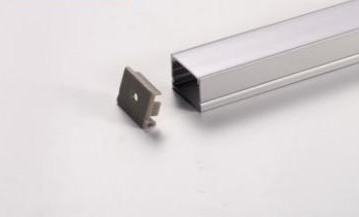
An led channel is a critical component in modern lighting systems that houses and protects LED strip lights while directing their illumination. This aluminum-based structural element serves as both a mechanical support and an optical enhancement tool, transforming basic LED strips into professional-grade lighting solutions. Understanding what an LED channel is and how it functions will help you select the right lighting system for your residential, commercial, or industrial application.
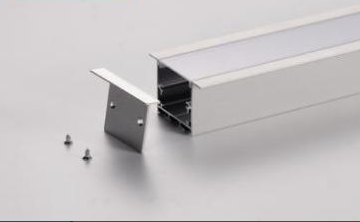
The linear LED lighting industry has evolved significantly, and the LED channel profile has become an essential standard for delivering consistent, reliable results. Whether you are installing under-cabinet lighting, accent displays, or architectural illumination, the aluminum LED housing provides durability, thermal management, and aesthetic appeal that raw LED strips cannot achieve alone. This guide explains the core function, benefits, and installation considerations for LED channels in contemporary lighting design.
Understanding the Core Function of LED Channels
What an LED Channel Does
An LED channel profile serves as a mounting rail and protective enclosure for linear LED lighting systems. The aluminum LED housing is designed to hold LED strip lights securely while shielding them from dust, moisture, and physical damage. This protective barrier extends the lifespan of your LED strips and maintains consistent light output over time. The channel also acts as a heat sink, drawing thermal energy away from the LED components and dissipating it into the surrounding environment.
Primary Design Components
A standard LED channel profile consists of an aluminum extrusion base, a mounting groove for adhesive or mechanical fastening, and typically includes a diffuser or cover lens. The aluminum LED housing material is chosen specifically for its thermal conductivity, allowing efficient heat dissipation that keeps LEDs operating at optimal temperatures. The diffuser, often made from frosted or clear polycarbonate, softens the light output and hides the individual LED diodes, creating a uniform glow. Together, these elements transform basic linear LED lighting into a refined, professional-looking fixture.
How Linear LED Lighting Systems Work Within Channels
The Installation Process
Installing linear LED lighting strips into an LED channel profile is straightforward. The LED strip adhesive backing is placed into the mounting groove, or alternatively, mechanical clips secure the strip in place. The aluminum LED housing base then routes power connections through pre-drilled holes or through-slots. Once the LED strip is seated, the diffuser snaps or screws onto the channel, completing the assembly. This modular design allows for quick installation and easy replacement if a strip fails.
Light Distribution and Optical Performance
The diffuser integrated into the LED channel profile acts as an optical lens that spreads light evenly across the viewing angle. Without this diffuser, raw LED strips produce uneven hotspots and visible diodes. Linear LED lighting equipped with the proper aluminum LED housing and diffuser achieves a smooth, consistent light output that appears more professional and visually pleasing. The channel also reflects light internally, maximizing lumen output and reducing wasted light that would otherwise escape sideways.
Practical Advantages of Using an LED Channel
Durability and Protection
The aluminum LED housing provides robust physical protection, making your linear LED lighting system resistant to impacts, vibration, and environmental stress. This protection is especially valuable in industrial settings, kitchens, garages, and other high-traffic areas. The sealed design keeps dust and moisture from accumulating on the LED strip, reducing maintenance needs and preventing premature failure. Long-term reliability improves significantly when LED strips are housed within a quality LED channel profile rather than exposed to direct contact.
Thermal Management and Longevity
Heat is the primary enemy of LED lifespan. An aluminum LED housing conducts heat away from the LED strip efficiently, keeping the diodes cooler during operation. This thermal regulation extends the useful life of your linear LED lighting system by thousands of hours compared to unhoused strips. Professional installations consistently choose aluminum LED housing because the thermal benefits directly translate to reduced replacement frequency and lower total cost of ownership over the fixture's lifetime.
Aesthetic and Architectural Integration
An LED channel profile is available in various finishes and sizes, allowing seamless integration into different design schemes. Recessed, surface-mounted, corner-mounted, and flexible LED channel profiles accommodate virtually any architectural geometry. The linear LED lighting housed within these profiles creates clean lines and professional appearances that enhance modern, minimalist, and contemporary interiors. By eliminating visible wiring and diffusing light evenly, the aluminum LED housing elevates the perceived quality of any lighting installation.
FAQ
What thickness of aluminum LED housing is recommended for heavy-duty applications?
Heavy-duty environments typically require aluminum LED housing extrusions between 2.5 and 4 millimeters in wall thickness. Thicker aluminum provides superior rigidity, better heat dissipation, and greater resistance to warping under mechanical stress. An LED channel profile with this specification ensures long-term performance in warehouses, manufacturing facilities, and outdoor installations where durability is paramount. Always verify the thermal conductivity rating and structural specifications when selecting a channel for demanding applications.
Can an LED channel profile be cut to custom lengths on site?
Most aluminum LED housing profiles can be cut to custom lengths using a standard aluminum cutting saw or mitre saw with appropriate blades. However, you must ensure that cut edges are deburred and smoothed to prevent sharp edges from damaging wiring or causing injury. Linear LED lighting systems often come in standard lengths, but bulk aluminum LED housing profiles are typically sold in longer sections to allow field customization. Always follow manufacturer guidelines regarding safe cutting practices and proper handling of aluminum extrusions.
Does an LED channel profile increase the cost significantly compared to bare LED strips?
While an LED channel profile adds upfront material cost, the extended lifespan, reduced maintenance, and professional appearance provide substantial long-term value. A quality aluminum LED housing system typically costs 20 to 40 percent more than a bare linear LED lighting strip, but this investment is recovered through longer operational life and avoided replacement expenses. Professional installations and commercial applications almost always justify the premium because the thermal benefits and durability of the LED channel profile outweigh the initial cost difference over the lighting system's operational lifetime.
 EN