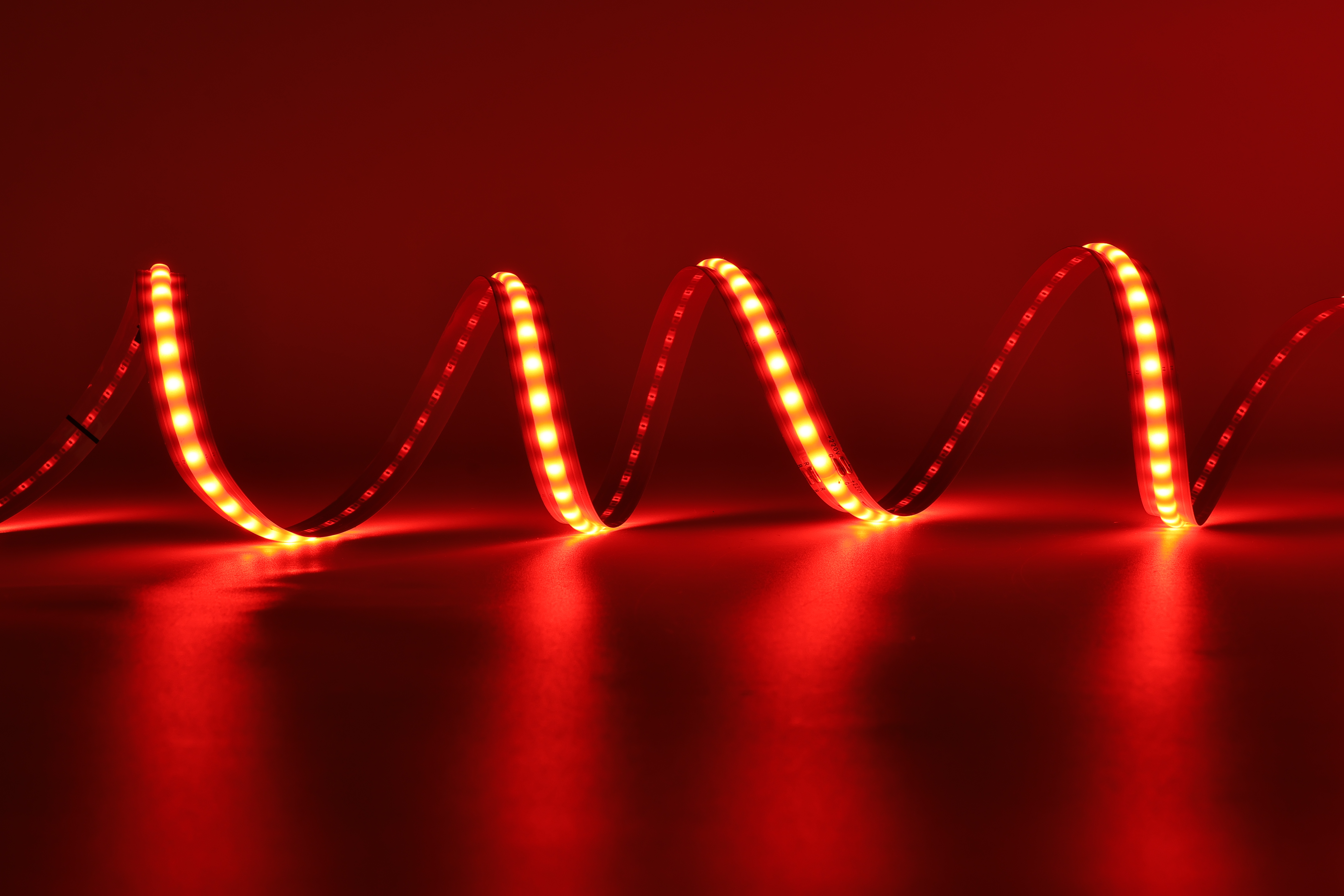
LED strip lights have become a popular choice for residential and commercial applications, offering versatility and energy efficiency. Understanding how long your led strip lights will last is essential for planning maintenance schedules and budgeting replacement costs. The lifespan of these fixtures depends on several factors including quality, usage patterns, installation environment, and manufacturer specifications. Most quality led strip lights are rated for between 25,000 to 50,000 hours of continuous operation, though premium models can exceed 100,000 hours under ideal conditions.
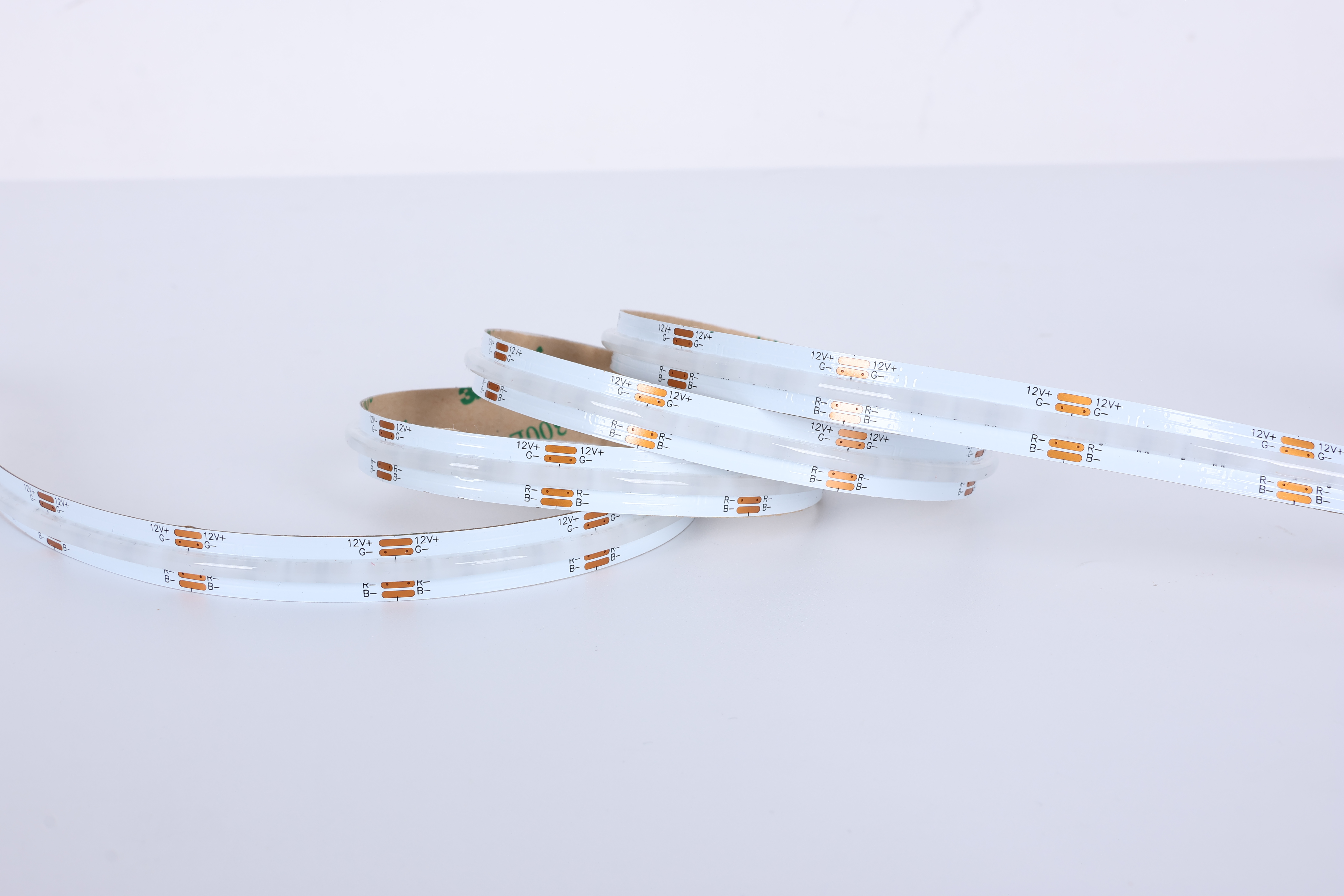
The durability of flexible lighting solutions makes them an attractive option for creative and functional illumination projects. Whether you're using adhesive tape lighting in kitchens, under cabinets, or accent lighting in commercial spaces, knowing the expected service life helps you make informed purchasing decisions. This guide explores the typical lifespan of led strip lights, the variables that influence longevity, and practical strategies to extend their operational life.
Understanding LED Strip Light Lifespan Ratings
Standard Operating Hours and Ratings
LED strip lights are typically rated in hours of operation rather than years because actual lifespan depends heavily on usage. A standard rating of 30,000 hours translates to approximately 10 years if used 8 hours daily, or roughly 3 years with 24-hour continuous operation. Premium led strip lights often feature ratings between 50,000 and 100,000 hours, providing extended service life for demanding applications. Manufacturers calculate these ratings based on laboratory testing under controlled conditions, so real-world performance may vary depending on environmental factors.
Factors Determining Manufacturer Ratings
Manufacturers establish lifespan ratings through accelerated aging tests that simulate extended periods of operation. The quality of the LED chips, driver circuits, and heat management systems all contribute to the final rating. Color changing light strips may have slightly different ratings than single-color variants due to additional circuitry complexity. Understanding these ratings helps you evaluate whether a particular product offers sufficient longevity for your specific application and budget constraints.
Key Factors Affecting LED Strip Light Longevity
Heat Dissipation and Thermal Management
Heat is the primary enemy of LED longevity, degrading chips and electrical components over time. Quality flexible lighting solutions incorporate proper heat sinks and thermal design to dissipate warmth away from the LED elements. Poor ventilation, enclosed installations, or mounting on heat-absorbing surfaces can significantly reduce lifespan. Aluminum backing strips provide superior thermal conductivity compared to plastic alternatives, helping maintain lower operating temperatures and extending service life considerably.
Power Supply Quality and Voltage Stability
The power supply driving your adhesive tape lighting directly influences longevity and reliability. Cheap or inadequate power supplies with poor voltage regulation can cause LED degradation and premature failure. Fluctuating voltage stresses the LED chips and driver circuits, reducing their operational lifespan substantially. Investing in a quality, appropriately-rated power supply matched to your strip's specifications is essential for maximizing performance and durability over years of use.
Installation Environment and Moisture Exposure
Environmental conditions dramatically impact how long color changing light strips and other variants will last. Moisture exposure, humidity, dust accumulation, and temperature extremes all accelerate component degradation. Kitchen and bathroom installations require moisture-resistant or waterproof-rated products to prevent premature failure. UV exposure in outdoor applications can degrade plastic casings and affect LED output, while very cold temperatures may temporarily reduce brightness until normal operating conditions resume.
Extending Your LED Strip Light Lifespan
Proper Installation and Mounting Techniques
Correct installation practices significantly extend flexible lighting solutions longevity. Ensure adequate airflow around the strips rather than enclosing them in tight spaces that trap heat. Use the adhesive backing properly by cleaning surfaces thoroughly before application to ensure secure contact. Avoid stretching or bending the strips excessively, as this stresses the internal connections and solder joints. For longer runs, use appropriate connectors rather than cutting strips in ways that expose circuit traces to moisture or accidental contact.
Maintenance and Environmental Control
Regular maintenance extends the operational life of led strip lights by preventing dust buildup and maintaining optimal performance. Gently clean the strips periodically with a soft, dry cloth to remove dust that accumulates on the surface. Control the operating environment by maintaining moderate temperatures and humidity levels when possible. Avoid exposing color changing light strips to direct water spray or immersion unless specifically rated as waterproof. Using adhesive tape lighting within the manufacturer's specified voltage and current parameters prevents stress-related component failure.
Usage Patterns and Operating Schedule
How you use your flexible lighting solutions affects total lifespan significantly. Intermittent use extends longevity compared to continuous 24-hour operation, as components experience less cumulative stress and thermal cycling. Avoiding maximum brightness settings when not necessary reduces heat generation and component strain. Using dimming features, when available, not only extends lifespan but also provides energy savings and customizable ambiance for any space or application.
Comparing LED Strip Lifespans to Traditional Lighting
LED Strips Versus Incandescent and Fluorescent Options
LED strip lights dramatically outperform traditional lighting technologies in terms of lifespan and efficiency. Incandescent bulbs typically last 1,000 to 2,000 hours, requiring frequent replacement and generating significant heat waste. Fluorescent tubes offer 8,000 to 15,000 hours, still substantially less than quality adhesive tape lighting options. The efficiency advantage of led strip lights translates to lower energy costs over their extended lifespan, making them economically superior even at higher initial purchase prices. Color changing light strips provide additional functionality impossible with traditional bulbs while maintaining superior longevity characteristics.
FAQ
How many years will typical LED strip lights last?
A standard-quality LED strip light rated for 30,000 hours will last approximately 10 years with 8 hours of daily use. Premium flexible lighting solutions rated at 50,000 hours or higher can last 15 to 20 years under similar usage conditions. The actual timeline depends on your specific usage pattern, environmental conditions, and product quality. Using adhesive tape lighting intermittently rather than continuously extends the lifespan considerably beyond manufacturer base ratings.
What causes LED strip lights to fail prematurely?
Premature failure typically results from inadequate heat dissipation, poor power supply quality, moisture exposure, or manufacturing defects. Excessive heat from poor ventilation or enclosed mounting degrades LED chips and solder joints rapidly. Low-quality power supplies with voltage fluctuations stress components beyond designed tolerances. Moisture and humidity damage circuit traces and corrode connections, especially with non-waterproof color changing light strips. Manufacturing defects, though uncommon with reputable brands, can cause immediate or early failure.
Can you extend LED strip light lifespan through proper care?
Yes, careful installation, maintenance, and environmental control can significantly extend the operational life of your led strip lights. Ensuring proper heat dissipation through adequate ventilation and using aluminum-backed strips improves longevity considerably. Regular gentle cleaning prevents dust accumulation that can trap heat and reduce efficiency. Protecting flexible lighting solutions from moisture, maintaining stable voltage supply, and avoiding maximum brightness settings all contribute to extended lifespan. Using quality mounting techniques and respecting manufacturer specifications prevents premature component stress and failure.
 EN