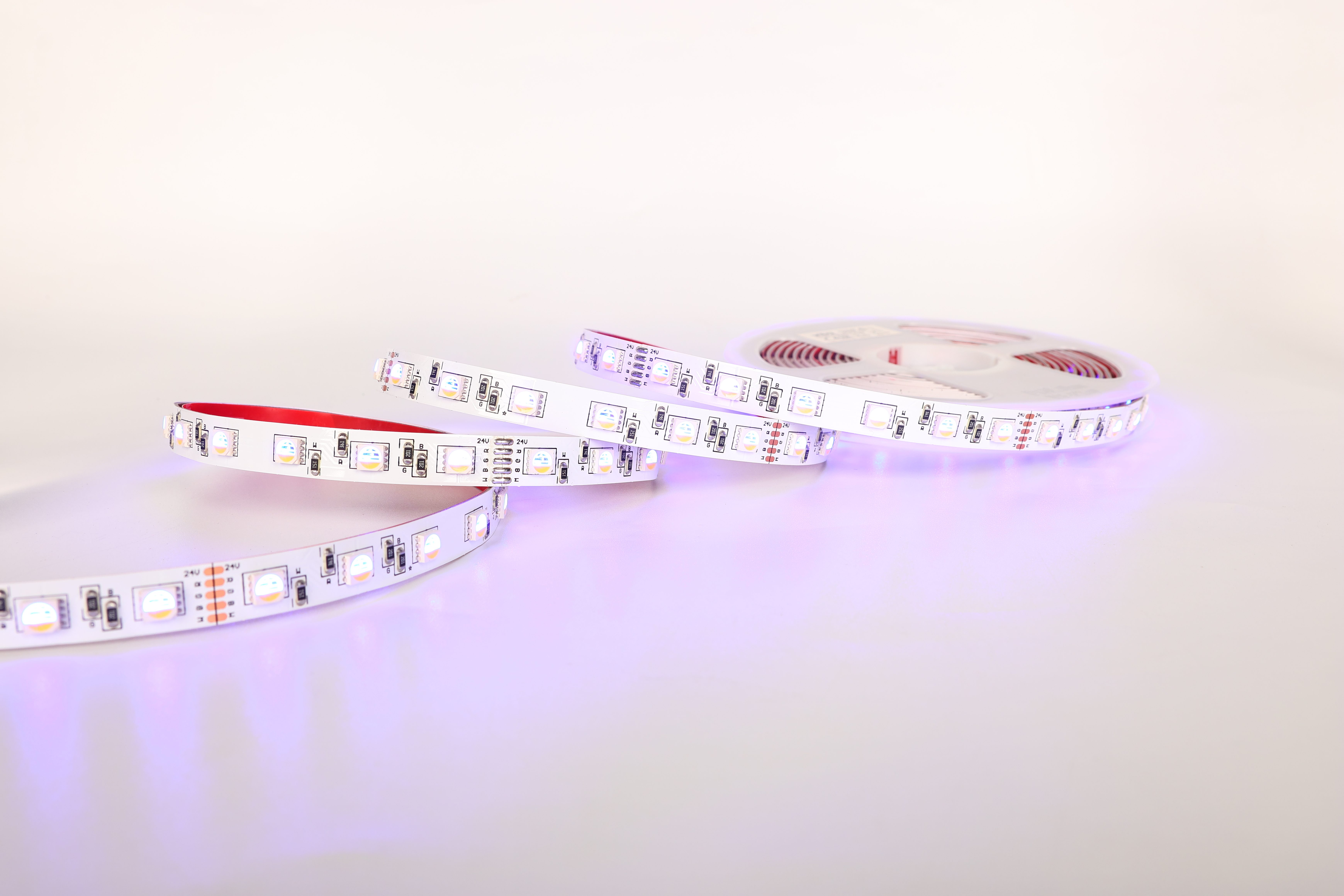
A tape light offers remarkable flexibility for accent lighting, ambiance creation, and task illumination in residential and commercial spaces. One of the most valuable features of modern tape light systems is their dimming capability, which allows users to adjust brightness from full intensity down to subtle accent levels. Understanding the dimming options available for your adhesive strip lights is essential when selecting the right solution for your application, whether you're lighting architectural features, creating mood lighting, or enhancing product displays.
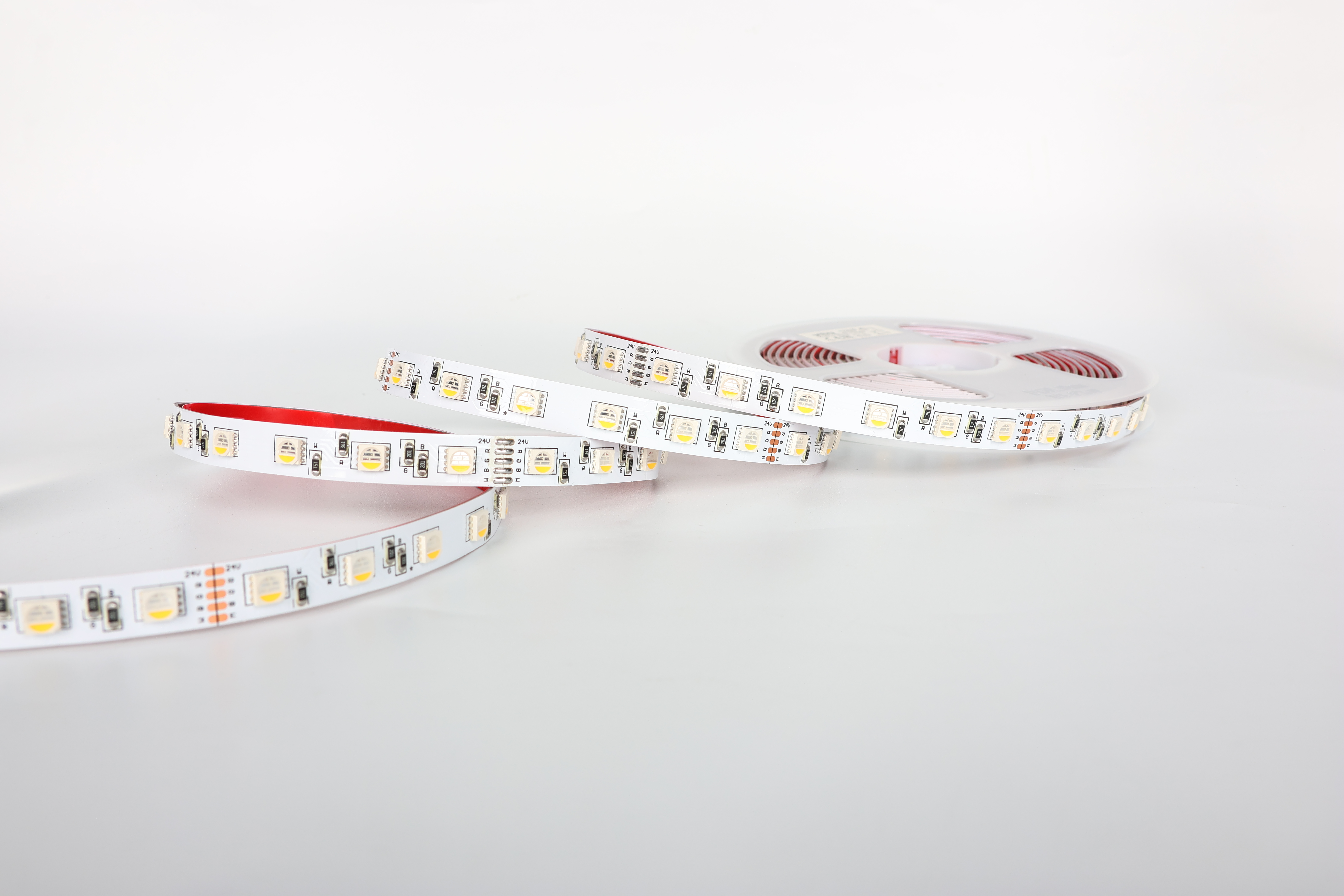
Modern LED tape lighting has evolved beyond simple on-off switches to incorporate multiple dimming technologies that cater to different control preferences and installation scenarios. Whether you prioritize ease of use, energy efficiency, or advanced smart home integration, understanding these dimming mechanisms helps you make an informed decision that aligns with your specific lighting goals and technical requirements.
Fundamental Dimming Technologies for Flexible Light Strips
Pulse Width Modulation and Analog Dimming
The two primary dimming methods used in adhesive strip lights are pulse width modulation (PWM) and analog dimming, each offering distinct advantages. PWM dimming, the most common approach in LED tape lighting, rapidly switches the light on and off at frequencies imperceptible to the human eye, creating the illusion of reduced brightness. This technology maintains color consistency across all brightness levels and works effectively with high-power LEDs, making it ideal for dynamic lighting applications where color accuracy matters.
Analog dimming, alternatively called 0-10V dimming, reduces the electrical current supplied to the LED tape light, proportionally decreasing brightness without rapid switching. This method produces smoother dimming transitions and generates less electromagnetic interference, making it suitable for installations where electrical noise sensitivity is a concern. Analog dimming works particularly well in environments requiring smooth, flicker-free performance across extended dimming ranges. Many professional installations choose flexible light strips with analog capability for premium applications.
Controller Types and Manual Control Options
Most tape light systems rely on dedicated controllers to manage dimming functions, ranging from simple knob-based controllers to sophisticated programmable units. A basic knob dimmer provides straightforward manual brightness adjustment, making it the most accessible option for users who prefer direct physical control without digital complexity. These controllers typically connect between the power supply and your tape light, enabling real-time adjustment without additional wiring.
For adhesive strip lights requiring more nuanced control, sliding potentiometer controllers offer linear brightness adjustment with visual feedback. Touch-activated dimmer panels provide modern aesthetics and durability, eliminating mechanical wear associated with traditional knobs. All these manual control solutions work independently without requiring network connectivity, offering reliability and simplicity for straightforward dimming applications.
Smart and Advanced Dimming Control Systems
Wireless Remote and Smart Home Integration
Contemporary LED tape lighting increasingly incorporates wireless dimming capabilities, allowing control via remote controls or smartphone applications. Radio frequency remote controllers enable convenient adjustment from anywhere within the signal range, eliminating the need to physically access the dimmer unit. This functionality proves especially valuable in hard-to-reach installations or multi-zone lighting scenarios where a single tape light setup serves different areas of a space.
Smart home integration represents the pinnacle of tape light control sophistication, enabling your flexible light strips to integrate with platforms like Amazon Alexa, Google Home, or custom home automation systems. Voice-activated dimming allows intuitive brightness adjustment without touching any hardware. Time-based scheduling, color temperature adjustment, and synchronized dimming across multiple rooms become possible through smartphone apps or voice commands. Smart controllers for adhesive strip lights transform basic lighting into responsive environmental systems that adapt to occupancy, time of day, or preset scenes.
Dynamic Dimming and Color Temperature Control
Advanced LED tape lighting systems offer dual-color or tunable white technology, combining warm and cool LEDs in a single tape light. These flexible light strips enable users to adjust color temperature from warm 2700K to cool 6500K while simultaneously controlling brightness. This capability proves invaluable in commercial displays, office environments, and residential spaces where lighting mood and functionality must align with time of day or activity type.
Some premium tape light solutions feature scene memory functions, storing multiple pre-configured brightness and color combinations for instant recall. This functionality accelerates setup for specific applications and ensures consistency across repeated use scenarios. When selecting adhesive strip lights with advanced dimming features, verify that your chosen controller supports the specific color and brightness combinations your application requires.
Practical Considerations for Selecting Tape Light Dimming Features
Matching Dimming Capability to Application Requirements
Choosing appropriate dimming technology for your tape light begins by defining your lighting objectives and control accessibility. Accent lighting installations that require occasional brightness adjustment may operate efficiently with simple manual dimmers, reducing system cost and complexity. Task lighting applications demanding frequent adjustments benefit from wireless or smart controllers that enable convenient access without physical proximity to the hardware.
Commercial installations, museum displays, and high-end residential projects often justify investment in advanced LED tape lighting with multiple control layers. Evaluate whether your specific application requires smooth dimming across the full 0-100% range or if discrete brightness levels suffice. Consider the viewing angle from which users will adjust your flexible light strips and whether remote control access directly impacts user satisfaction and daily convenience.
Technical Compatibility and Installation Planning
Before finalizing your tape light dimming selection, verify that your chosen controller matches your power supply specifications and LED configuration. PWM-capable controllers require compatible power supplies designed to handle rapid switching without introducing flicker or noise. Analog dimming systems demand proper current-limiting resistors and compatible controllers to function correctly. Mismatched components can result in poor dimming performance, unexpected flickering, or controller failure.
For adhesive strip lights using wireless or smart controllers, evaluate your installation environment's radio frequency conditions and network reliability. Metallic or heavily shielded spaces may interfere with wireless signal strength, requiring additional access points or alternative control methods. Future expansion possibilities should influence your dimming system selection, as upgrading from simple manual control to smart integration often requires replacing controllers and potentially power supplies.
FAQ
Can all LED tape lighting systems be dimmed?
Not all tape light products include dimming capability by default, though most modern LED tape lighting can be dimmed with appropriate controllers. Basic, low-cost flexible light strips may only offer on-off functionality, while mid-range and premium options typically include dimming controllers or accommodate aftermarket dimmer installation. Always verify that your specific adhesive strip lights are rated for dimming before purchasing associated control components.
What is the difference between PWM and analog dimming for tape light?
PWM dimming rapidly switches tape light on and off to control perceived brightness, maintaining consistent color while generating minimal heat. Analog dimming reduces electrical current to the LED, producing smooth transitions without switching. PWM dimming works better for dynamic color-changing applications, while analog dimming suits installations prioritizing smooth, flicker-free performance without electromagnetic interference. Both methods work effectively for standard brightness adjustment in residential and commercial flexible light strips.
How do smart controllers enhance tape light dimming functionality?
Smart controllers transform basic adhesive strip lights into intelligent systems by enabling voice control, smartphone app access, scheduling, and integration with home automation platforms. These advanced controllers allow synchronized dimming across multiple rooms, color temperature adjustment for time-of-day optimization, and scene memory for instant preset recall. Smart LED tape lighting systems adapt to user preferences and environmental conditions automatically, significantly enhancing convenience and energy efficiency compared to manual dimmers.
 EN