 EN

what-factors-should-you-consider-when-buying-cob-led-strip, what-factors-should-you-consider-when-buying-cob-led-strip, /news
EN
2026/09/15
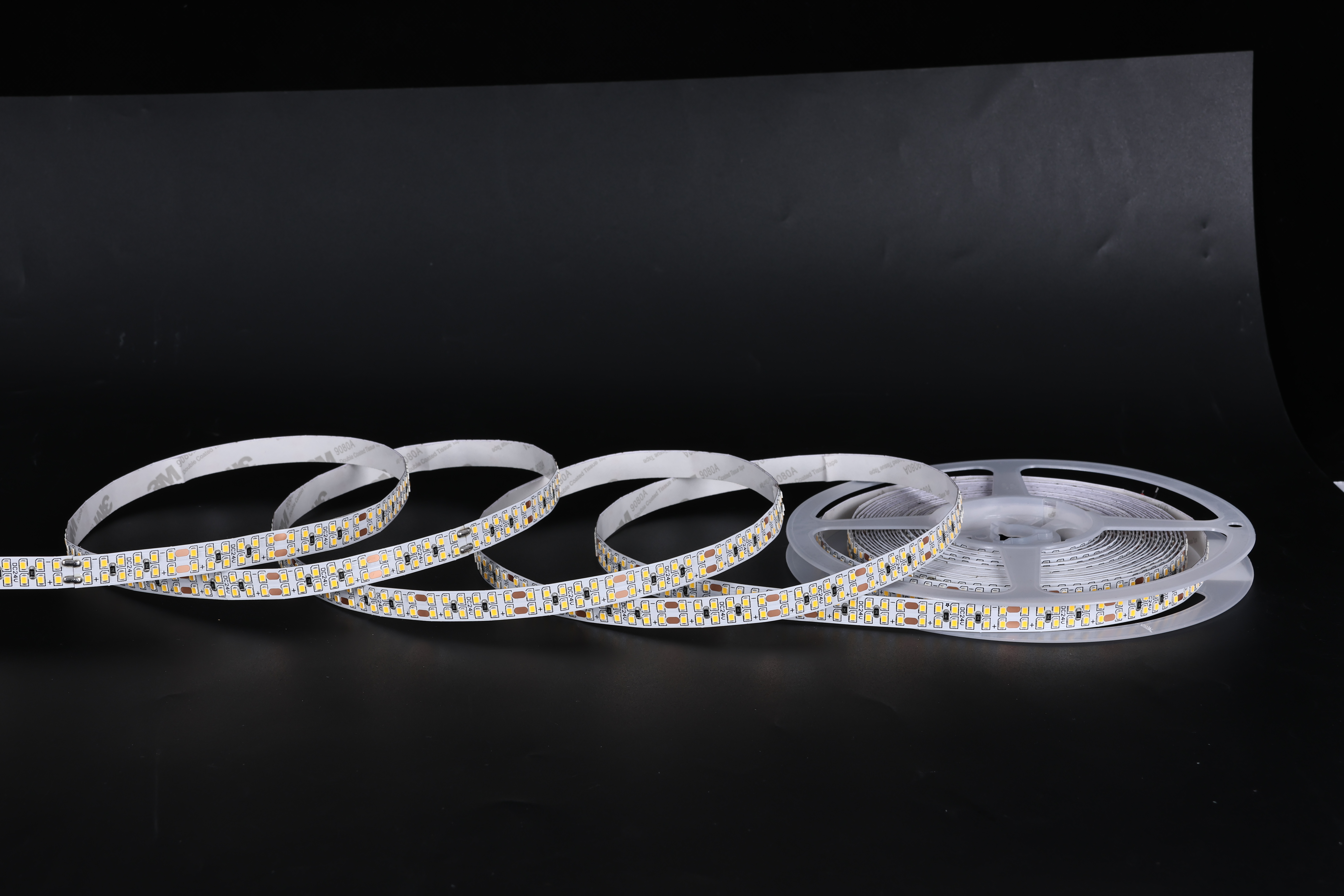
Selecting the right cob led strip requires careful evaluation of multiple technical and practical factors. Whether you are upgrading under-cabinet lighting, creating accent lighting in commercial spaces, or developing custom illumination solutions, the performance characteristics and specifications of your chosen product will directly impact the final result. Understanding what to evaluate before purchase helps you avoid costly mistakes and ensures your lighting investment meets both current and future needs.
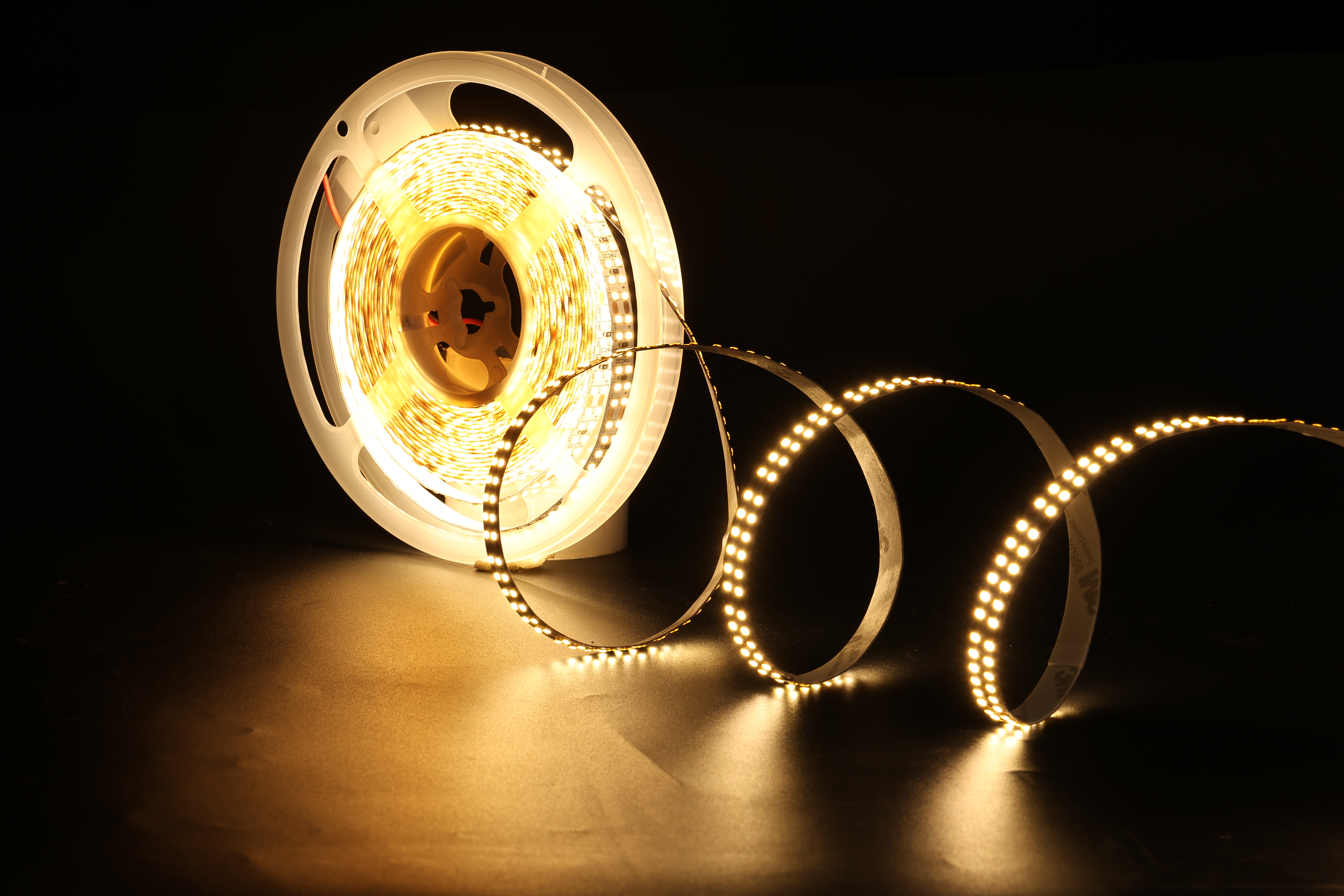
A high density led strip using COB technology offers superior light uniformity compared to traditional discrete LED designs. The continuous light output and compact form factor make this technology increasingly popular in both residential and industrial applications. By examining key purchasing factors upfront, you can confidently select a high density led strip that aligns with your specific brightness, color, and durability requirements.
Brightness is one of the most critical specifications when evaluating any cob flexible lighting solution. Measured in lumens, the total light output determines whether your installation will adequately illuminate the intended space. Professional applications often demand higher lumen output to meet task lighting standards, while ambient or accent lighting may require less intensity. Understanding your specific application helps you calculate the exact brightness needed rather than over-purchasing or under-purchasing lumens.
The relationship between wattage and lumens varies depending on the efficiency of the continuous led tape you choose. Modern COB technology delivers superior lumens per watt compared to older LED strip generations, meaning you achieve brighter output while consuming less power. This efficiency directly impacts your electricity costs over time, making it a significant economic factor in your purchasing decision.
Color temperature, measured in Kelvin, dramatically affects the mood and functionality of your lit space. Warm white tones around 2700K create cozy, inviting atmospheres ideal for residential kitchens and hospitality environments. Cool white around 4000K to 5000K suits task-oriented spaces like workstations and medical facilities. When evaluating a high density led strip, confirm whether the manufacturer offers adjustable color temperature options or fixed selections that match your design intent.
Color Rendering Index, or CRI, measures how accurately a light source reveals the true colors of illuminated objects on a scale from 0 to 100. A continuous led tape with CRI 90 or higher is essential if you work with color-sensitive applications such as retail displays, photography studios, or art galleries. Lower CRI ratings may show acceptable performance in general-purpose lighting but can distort colors in demanding environments, potentially compromising product presentation or professional outcomes.
The physical design of your cob flexible lighting product determines installation ease and long-term reliability. Quality cob led strip products feature robust silicone casings that maintain flexibility across temperature ranges without cracking or brittleness. The adhesive backing, if included, must provide strong initial adhesion while remaining removable if repositioning becomes necessary. Some installations require permanent mounting solutions using mechanical fasteners instead, so confirm what mounting options the product supports.
Profile depth and width affect both aesthetics and heat dissipation. A slender continuous led tape integrates seamlessly into concealed mounting locations like crown molding or architectural coves. Thicker profiles may offer better thermal management for high-output applications, reducing heat buildup at the LED junction and extending product lifespan. Measure your installation space carefully to ensure the selected high density led strip dimensions fit your intended mounting location without modification.
Voltage requirements directly impact your cob led strip compatibility with existing power infrastructure. Most professional-grade products operate at 24V DC, which offers safety advantages and allows longer runs without excessive voltage drop. Some consumer applications use 12V systems, while specialty installations may require 110V or 220V configurations. Verify that your power supply voltage matches the product specifications exactly, as mismatches will either damage the lights or fail to power them adequately.
Calculate the total wattage draw of your complete lighting installation, including all connected continuous led tape sections. Ensure your power supply has sufficient capacity with a safety margin of at least 20 percent to accommodate inrush current and component degradation over time. Undersized power supplies generate heat, reduce efficiency, and significantly shorten product lifespan.
A quality high density led strip must withstand the thermal and environmental stresses of its intended installation location. Operating temperature specifications indicate the safe working range where the product maintains full performance and reliability. Outdoor installations, industrial environments, and enclosed spaces like cabinets all present different thermal demands. Review whether the product you are considering meets IP ratings appropriate for moisture exposure, dust infiltration, and other environmental hazards your specific location presents.
Thermal performance becomes especially important in continuous-duty applications where the cob flexible lighting runs for extended periods without cooling breaks. Poor heat management reduces LED lifespan dramatically, potentially cutting product longevity from 50,000 hours to 20,000 hours or less. Inspect the product for adequate heat sinking features such as aluminum backing plates or thermal interface materials that transfer heat away from the LED junctions efficiently.
Manufacturer warranty terms reveal the company's confidence in product quality and durability. A robust warranty covering at least two years of defects provides financial protection and demonstrates commitment to customer satisfaction. Review warranty specifics carefully to understand what failures are covered and what conditions might void protection. Some manufacturers require proper installation and power supply usage as warranty conditions, so ensure you understand these terms before finalizing your purchase of a cob led strip.
Strong manufacturer support extends beyond warranty coverage to include technical documentation, installation guidance, and responsive customer service. Products backed by responsive support teams reduce troubleshooting time if issues arise after installation. Before purchasing, verify that the manufacturer provides accessible documentation in your language and offers reliable communication channels for addressing questions or concerns about your continuous led tape investment.
COB technology integrates multiple LED chips onto a single substrate, creating continuous, uniform light output without visible hot spots or dark areas between individual diodes. This high density led strip approach eliminates the dot pattern visible in conventional discrete LED designs, producing smooth, professional-quality illumination ideal for accent lighting, architectural applications, and retail displays. The improved uniformity also enables more flexible cuttable designs while maintaining consistent brightness across the entire cob flexible lighting installation.
Calculate required brightness by determining the square footage of the area to be illuminated and the intended use. General ambient lighting typically requires 10 to 20 lumens per square foot, while task lighting demands 30 to 50 lumens per square foot. For accent or decorative continuous led tape applications, 5 to 10 lumens per square foot often suffices. Consult lighting design standards or work with a lighting professional if your application has color-critical or safety-sensitive requirements to ensure the cob led strip you select provides adequate illumination.
Only cob flexible lighting products with appropriate IP ratings should be installed in wet or outdoor applications. Look for IP65 or higher ratings for applications with direct water exposure or constant humidity, while IP54 may suffice for covered outdoor areas or kitchens with occasional moisture. Always verify that both the strip itself and all electrical connections are rated for your specific environmental conditions. Using a non-waterproof continuous led tape in wet locations will result in corrosion, short circuits, and premature failure, voiding any manufacturer warranty.
