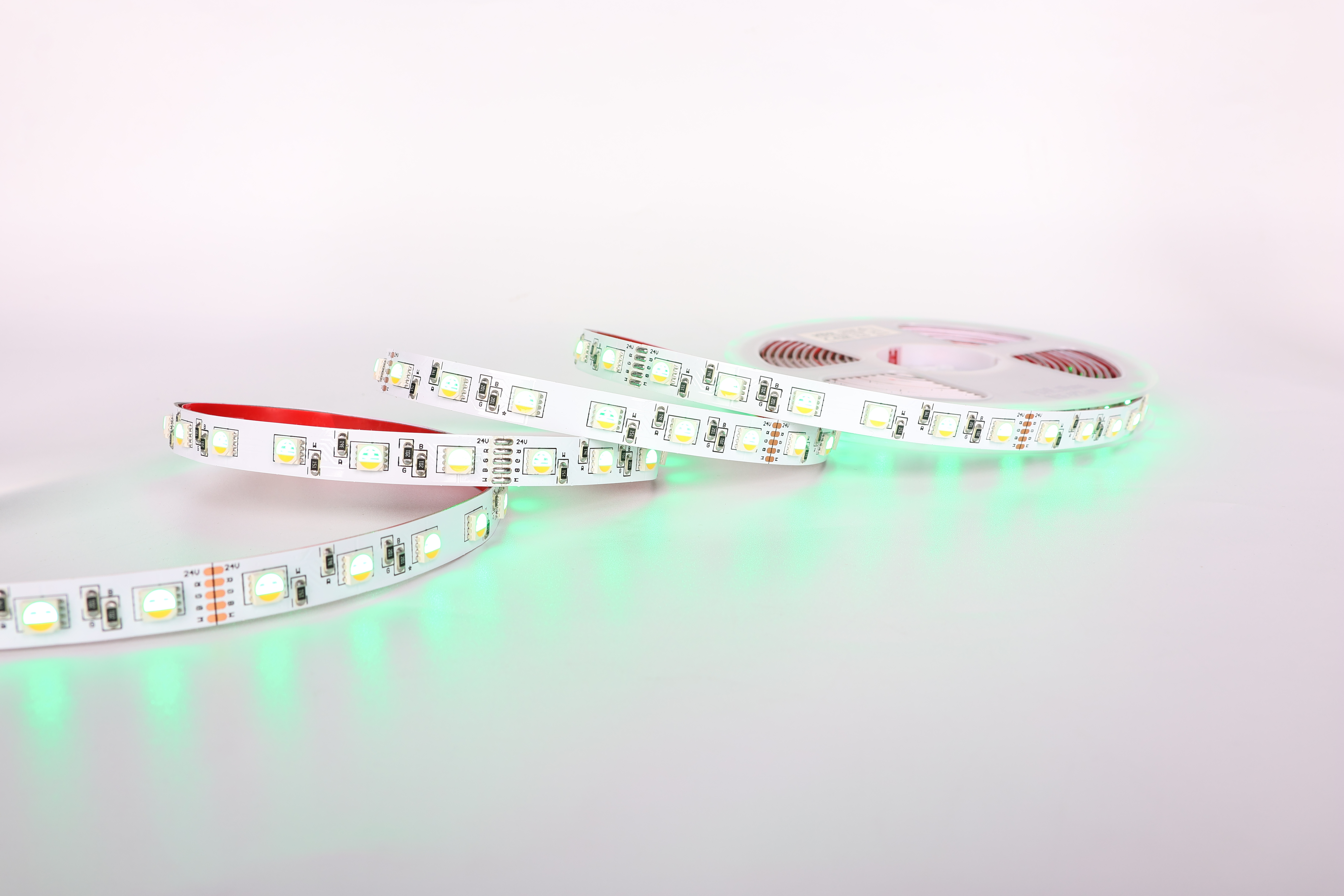
A cob led strip is a valuable investment for residential and commercial lighting applications. Proper maintenance ensures optimal performance, longevity, and consistent light output over many years. Unlike traditional LED strips, high density led strip technology offers superior light quality and uniform illumination, making their care even more important to preserve these benefits.
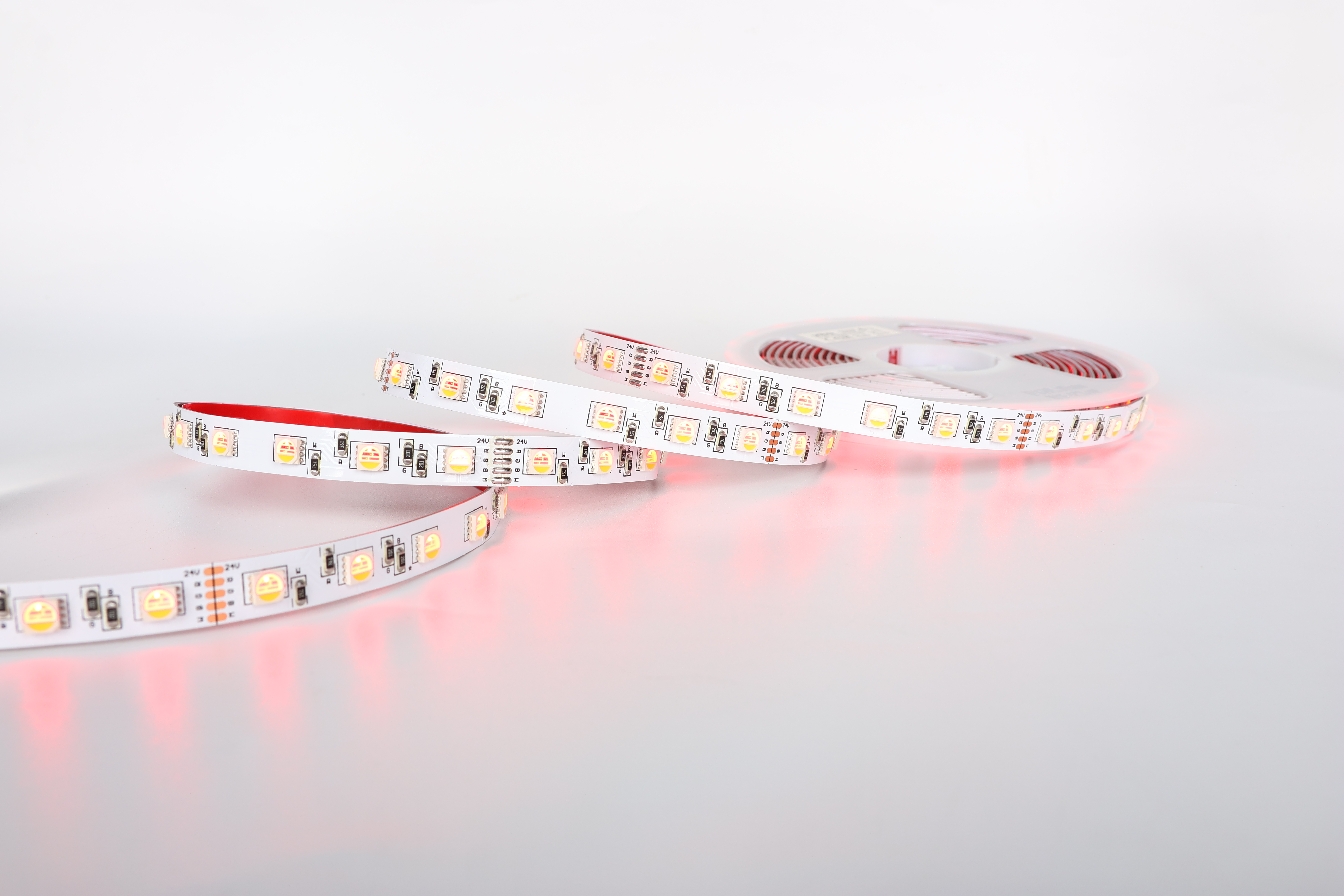
Understanding how to properly maintain cob flexible lighting prevents common issues like dimming, color shifting, and premature failure. Whether you use continuous led tape for under-cabinet lighting, accent lighting, or architectural applications, following established maintenance practices will extend the service life of your investment and maintain the quality of illumination your space requires.
Understanding the Basics of COB LED Strip Care
Why Maintenance Matters for LED Performance
Maintaining a cob led strip involves more than occasional cleaning. The technology behind high density led strip relies on precise electrical connections and thermal management to deliver consistent color temperature and brightness. Dust accumulation, moisture exposure, and temperature fluctuations can compromise these components, leading to reduced lifespan and deteriorating light quality. Regular care prevents these issues before they cause visible performance degradation.
Continuous led tape installations in kitchens, retail environments, and studios experience varying conditions that accelerate wear. Proper maintenance routines account for these environmental factors and significantly extend the operational life of your lighting system. Establishing preventive care habits now saves costly replacements and downtime later.
Common Threats to LED Strip Longevity
Environmental threats include dust, moisture, and temperature extremes that affect cob flexible lighting systems. Dust particles block light emission and trap heat, reducing brightness and creating hot spots that accelerate component degradation. Moisture infiltration causes corrosion in electrical connections, particularly in the power input and control interfaces of your high density led strip installation.
Temperature stress also impacts LED performance significantly. Excessive heat reduces the lifespan of both LEDs and power drivers, while cold environments can affect voltage regulation. Understanding these threats helps you implement targeted maintenance strategies specific to your operating environment and usage patterns.
Cleaning and Regular Maintenance Procedures
Safe Cleaning Techniques for LED Strips
Cleaning your cob led strip requires a gentle approach to avoid damaging sensitive components. First, turn off power to the lighting system completely and allow the strip to cool for several minutes. A soft microfiber cloth is your primary tool for removing dust and fingerprints from the light-emitting surface. Wipe gently in one direction rather than circular motions, which can trap particles and create micro-scratches.
For continuous led tape that has accumulated stubborn deposits, slightly dampen the microfiber cloth with distilled water only. Never use tap water, which contains minerals that leave residue and potentially cause electrical issues in your high density led strip. For cob flexible lighting in kitchen or dusty environments, establish a weekly cleaning schedule to prevent heavy buildup. Allow the strip to dry completely before reapplying power to your lighting system.
Addressing Moisture and Environmental Exposure
Moisture is a primary threat to cob led strip performance and longevity. If your continuous led tape installation is in a humid environment like a bathroom or outdoor location, inspect the silicone diffuser and end caps regularly for moisture intrusion. High density led strip installations near water sources need weather-resistant sealing, particularly at connection points and power input terminals.
If moisture appears inside the diffuser or on internal components, turn off power immediately and allow the cob flexible lighting to dry in a warm, low-humidity environment for twenty-four to forty-eight hours. Do not attempt to operate the system while moisture is present, as this creates a short-circuit risk. Consider upgrading to fully sealed enclosures for critical installations exposed to spray or splash conditions.
Extending Lifespan and Performance Optimization
Thermal Management for Consistent LED Operation
Heat management is critical for maintaining your cob led strip's lifespan and light output consistency. High density led strip technology produces less heat than older LED generations, but proper heat dissipation still matters for premium performance. Ensure adequate ventilation around the mounting surface, avoiding enclosures or tight spaces that trap heat around the strip. Aluminum channel mounting systems improve thermal conductivity and are recommended for intensive applications.
Monitor operating temperatures periodically by touching the back of the cob flexible lighting installation during operation. The strip should be warm but not hot to the touch. Excessive heat indicates insufficient ventilation or an underlying power supply issue. Continuous led tape installed in recessed applications should have air gaps above the strip to allow natural heat dissipation and prevent localized overheating that reduces lifespan.
Connection Points and Electrical Safety
Electrical connections are vulnerability points in any cob led strip installation. Inspect solder joints, connector terminals, and power input points quarterly for corrosion, discoloration, or loose connections. Corroded connections increase electrical resistance, causing voltage drops that reduce brightness and increase heat generation in your high density led strip. Clean corroded connectors with a fine brush and apply a thin coat of dielectric grease to protect against future oxidation.
For continuous led tape systems using control modules or dimming interfaces, verify that all connections remain tight and secure. Vibration from nearby equipment or building movement can gradually loosen connectors over months or years. Applying silicone conformal coating to exposed electronic components provides extra protection against dust and moisture on your cob flexible lighting. Always ensure power is off before performing any electrical inspection or maintenance on your system.
FAQ
How often should I clean my cob led strip?
Cleaning frequency depends on your environment. For standard indoor applications, monthly or quarterly cleaning keeps your high density led strip in optimal condition. In dusty industrial environments or kitchens, weekly cleaning prevents significant buildup. Areas with smoke, pet fur, or high dust levels require more frequent maintenance of your continuous led tape installation. Regular inspection helps determine the ideal schedule for your specific location.
Can I use regular cleaner on cob flexible lighting?
Never use chemical cleaners, alcohol, or acidic solutions on your cob led strip, as these damage protective coatings and seals. Stick exclusively to distilled water and soft microfiber cloths for cleaning high density led strip systems. Chemical residue can corrode electrical connections and degrade the silicone diffuser material. For stubborn deposits on continuous led tape, gently increase pressure rather than using solvents or specialized cleaning products.
What should I do if my cob flexible lighting stops working?
First, verify that power reaches the system by checking the power supply and controller connections. Inspect all visible connections for corrosion or looseness affecting your cob led strip performance. If the entire continuous led tape goes dark, the power supply typically needs replacement. If sections dim gradually, thermal issues or connector degradation on your high density led strip may be responsible. Contact technical support with specific details about failure patterns and environmental conditions.
 EN