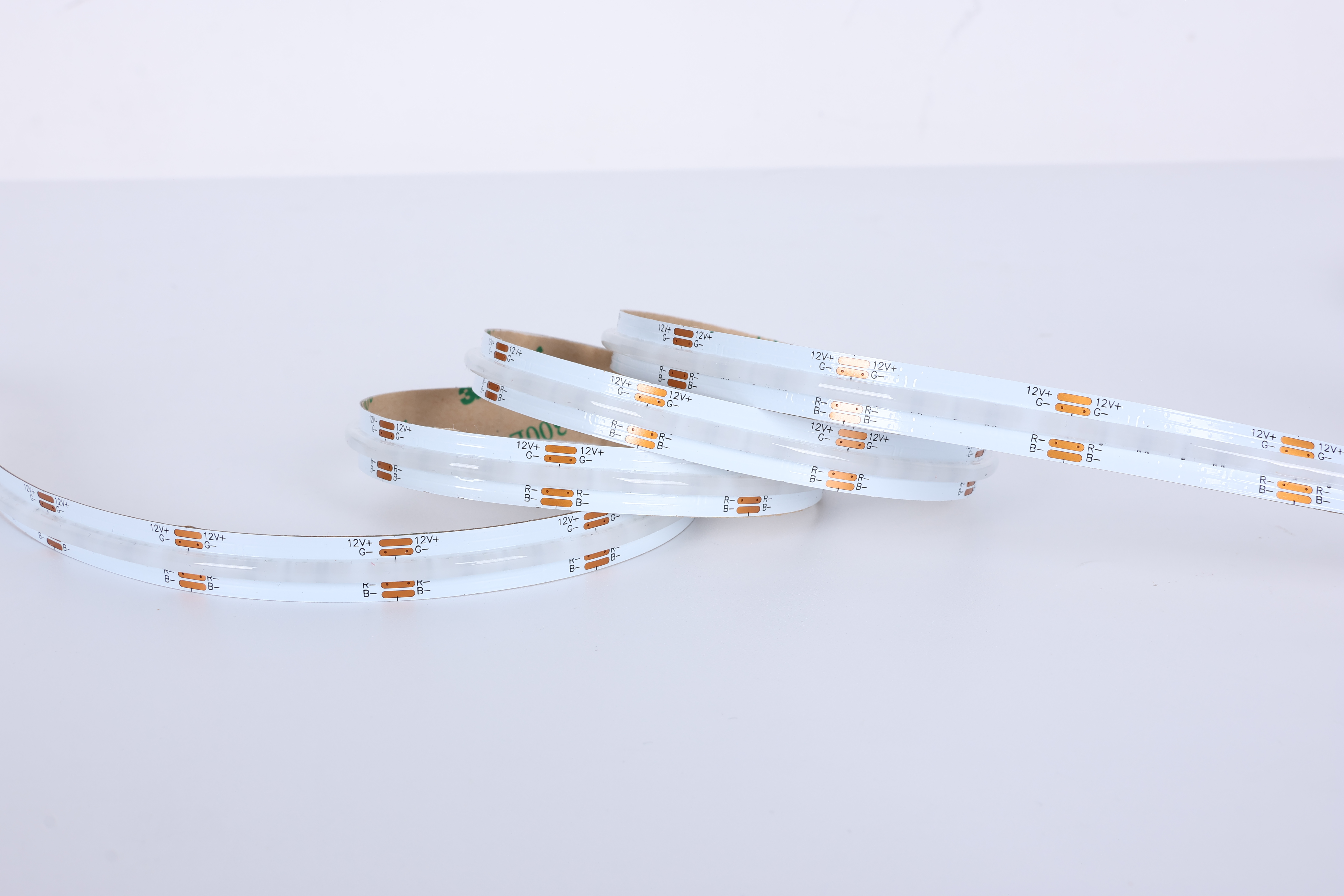
Choosing the right power supply for your cob led strip is essential for reliable operation, longevity, and safety. The cob led strip technology delivers exceptional brightness and uniform light distribution, making it a preferred choice for professional lighting applications across residential, commercial, and industrial settings. Understanding power requirements ensures you select the appropriate supply without oversizing or undersizing your system.
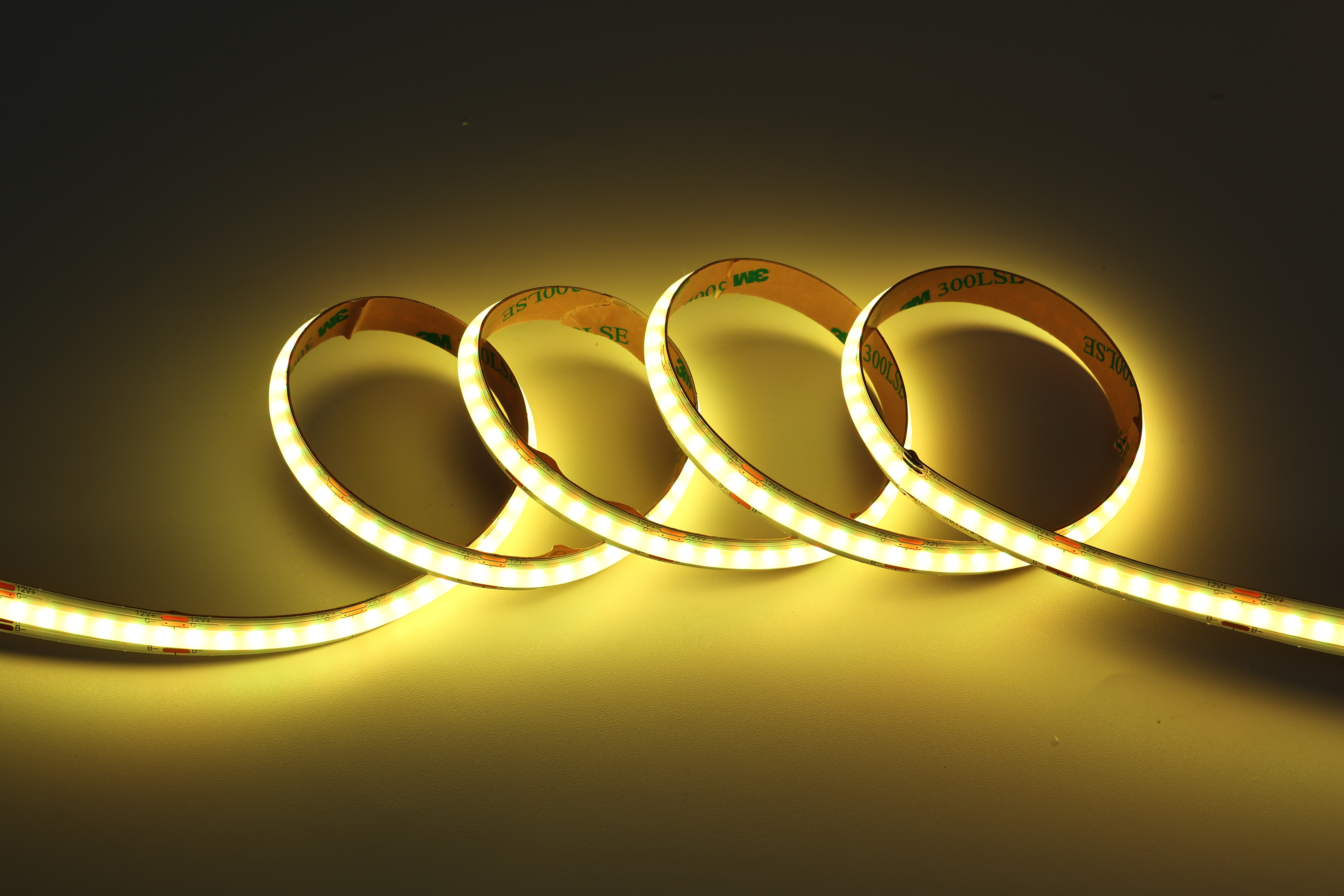
The power demands of a cob led strip depend on several factors including the strip's density, length, color temperature, and brightness level. High density led strip configurations consume more power per linear meter than standard options, requiring careful calculation before installation. This guide explains voltage standards, wattage calculations, and the specific power delivery characteristics needed for optimal cob flexible lighting performance.
Understanding Voltage Standards for COB LED Strips
24V DC Power Delivery
Most modern cob led strip systems operate on 24V DC power, which has become the industry standard for professional lighting applications. This voltage level balances safety, efficiency, and flexibility, allowing for extended cable runs without significant voltage drop compared to 12V systems. A 24V supply for cob flexible lighting reduces current draw, minimizing heat generation in power cables and connectors, which directly extends component lifespan and improves system reliability.
The 24V DC architecture also supports dimming capabilities and advanced control protocols used in modern installations. When selecting a power supply for continuous led tape applications, verify that your fixture specifically requires 24V input, as voltage mismatches will prevent operation or damage components. Most high density led strip products on the market standardize on 24V to enable compatibility with professional-grade controllers and dimming systems.
Alternative Voltage Considerations
While 24V dominates the cob led strip market, some specialized applications may use 12V systems, particularly for smaller-scale projects or retrofit installations. However, 12V cob flexible lighting requires thicker gauge wiring for the same power delivery, increasing installation costs and complexity. High density led strip fixtures rarely ship in 12V configurations due to superior performance characteristics of 24V systems, so verify your specific product specifications before planning the installation infrastructure.
Calculating Wattage Requirements for Your Installation
Power Consumption Per Linear Meter
A typical cob led strip consumes between 12 to 20 watts per linear meter, depending on the density and brightness configuration. High density led strip versions may approach 20 watts per meter or higher, delivering exceptional lumen output for task lighting and display applications. To calculate total power demand for your installation, multiply the wattage per meter by the total length in meters, then add approximately 10 to 15 percent margin for voltage regulation losses and component efficiency.
For example, a 5-meter installation of cob flexible lighting rated at 15 watts per meter requires a 75-watt base supply, plus an additional 10 watts for margin, resulting in a recommended 85-watt minimum power supply. Continuous led tape installations spanning longer distances or featuring higher color rendering index specifications may demand higher wattage ratings. Always consult the product datasheet to confirm exact power specifications, as manufacturers may design different versions with varying power densities.
Selecting the Correct Power Supply Rating
Never select a power supply equal to your calculated wattage requirement. Instead, choose a supply rated 20 to 30 percent above your calculated demand to ensure stable operation and extend supply lifespan. A high density led strip running continuously at maximum power consumption will stress an undersized supply, reducing efficiency and risking premature failure. Professional installations of cob led strip systems typically use supplies rated 25 percent above theoretical requirements as standard practice.
For a calculated 85-watt cob flexible lighting system, select a 110 to 120-watt power supply. This approach ensures the supply operates in its optimal efficiency range while maintaining headroom for voltage regulation and component aging. When upgrading from continuous led tape systems or adding control modules, recalculate your entire power demand and select a new supply accordingly to prevent system instability.
Cable Sizing and Voltage Drop Considerations
Wire Gauge Requirements
The distance between your power supply and cob led strip directly affects required cable gauge. For runs under 3 meters, 18 AWG wire adequately handles the current load of typical high density led strip fixtures. For installations spanning 3 to 10 meters, upgrade to 16 AWG wire to minimize voltage drop and ensure uniform brightness along the entire cob flexible lighting length. Runs exceeding 10 meters require 14 AWG wire or larger to maintain acceptable performance standards.
Undersized cabling causes voltage drop that reduces brightness in sections far from the power supply, particularly problematic for continuous led tape installations where uniform light output is critical. Calculate voltage drop using the formula: voltage drop equals (2 times distance in feet times current in amps) divided by (1000 times wire conductivity). This mathematical approach helps professionals ensure their cob led strip system maintains consistent color temperature and brightness across the entire installation length.
Connector Quality and Installation Standards
Quality connectors play a vital role in delivering stable power to your cob flexible lighting system. Use connectors rated for the full current draw of your high density led strip configuration, as undersized connectors create resistance points that generate heat and voltage loss. Ensure all connections are tight, corrosion-free, and mechanically secure before energizing your continuous led tape installation.
FAQ
What happens if I use an undersized power supply for my cob led strip?
An undersized power supply cannot deliver adequate current to your cob led strip, resulting in dim output, flickering, color shifting, or complete failure to illuminate. Additionally, the power supply operates at maximum stress, generating excessive heat and dramatically shortening its operational lifespan. This scenario also increases fire risk and may damage connected control modules or dimming equipment. Always select a supply rated 20 to 30 percent above calculated wattage for safe, reliable operation.
Can I daisy-chain multiple high density led strip sections to one power supply?
Yes, you can connect multiple cob flexible lighting sections to a single power supply, provided the total wattage remains within the supply's rated capacity and you properly size cables to minimize voltage drop. Daisy-chaining continuous led tape requires careful planning to ensure the farthest section receives adequate voltage and current. Always calculate total power demand for all connected sections and select a supply with appropriate headroom; most professionals recommend adding 30 percent above the combined wattage requirement.
How do I know if my cob led strip power supply is failing?
Signs of power supply failure include flickering light output, reduced brightness even when the cob flexible lighting is new, audible buzzing or humming sounds from the supply unit, or intermittent operation. High density led strip systems may display uneven color temperature across the installation, or specific sections may dim while others remain bright. If you notice these issues, test with a multimeter to verify 24V DC output at the supply terminals, then check voltage at the strip connection point to identify voltage drop problems requiring cable upsizing.
 EN