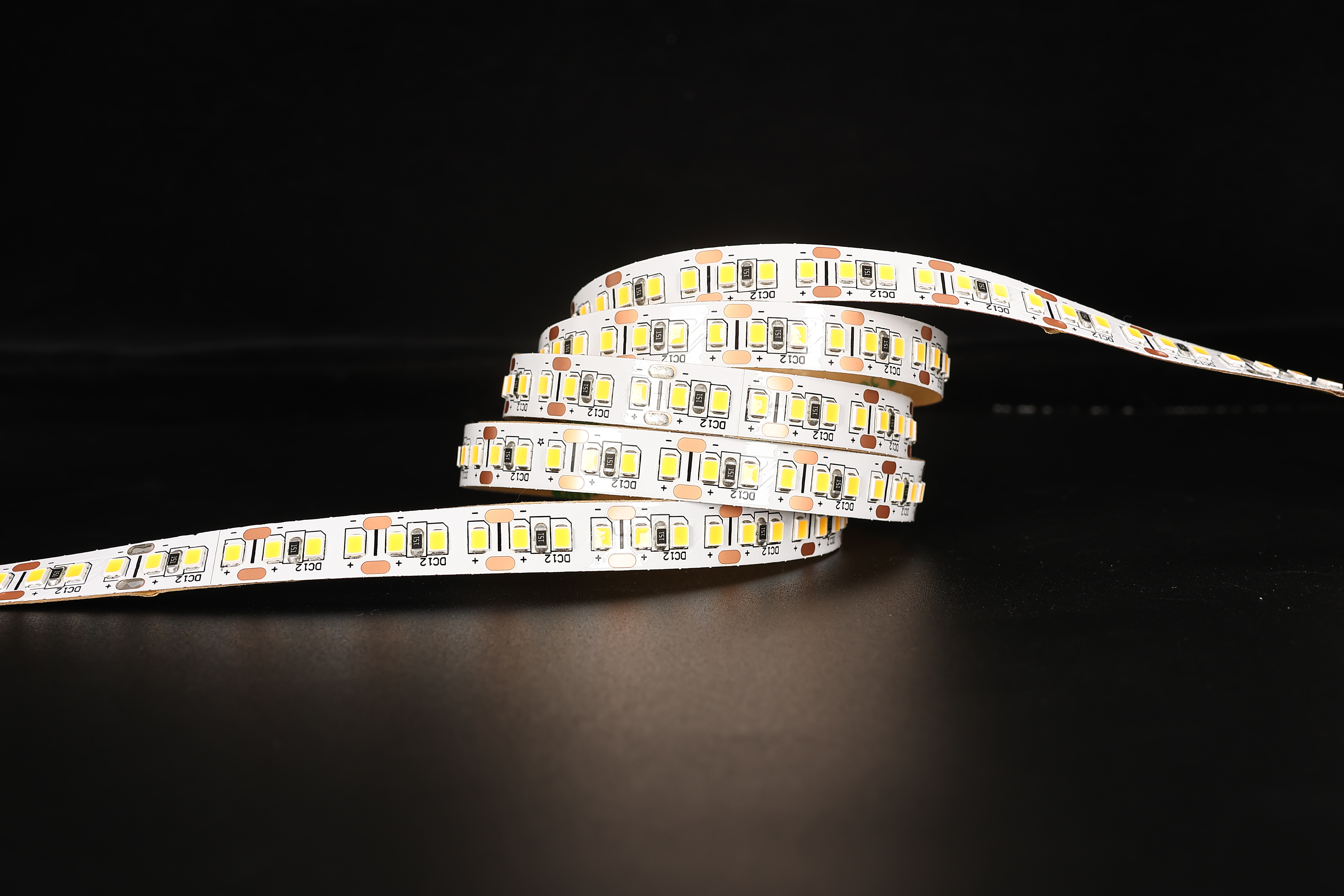
Diodes and LEDs represent foundational semiconductor technologies that power virtually every modern electronic device and system. Understanding the main applications of diodes and leds helps engineers, designers, and procurement professionals make informed decisions about component selection, system design, and technology investment. These semiconductor light emitting devices have evolved dramatically over the past two decades, enabling innovations from consumer electronics to industrial automation, medical diagnostics, and renewable energy systems.
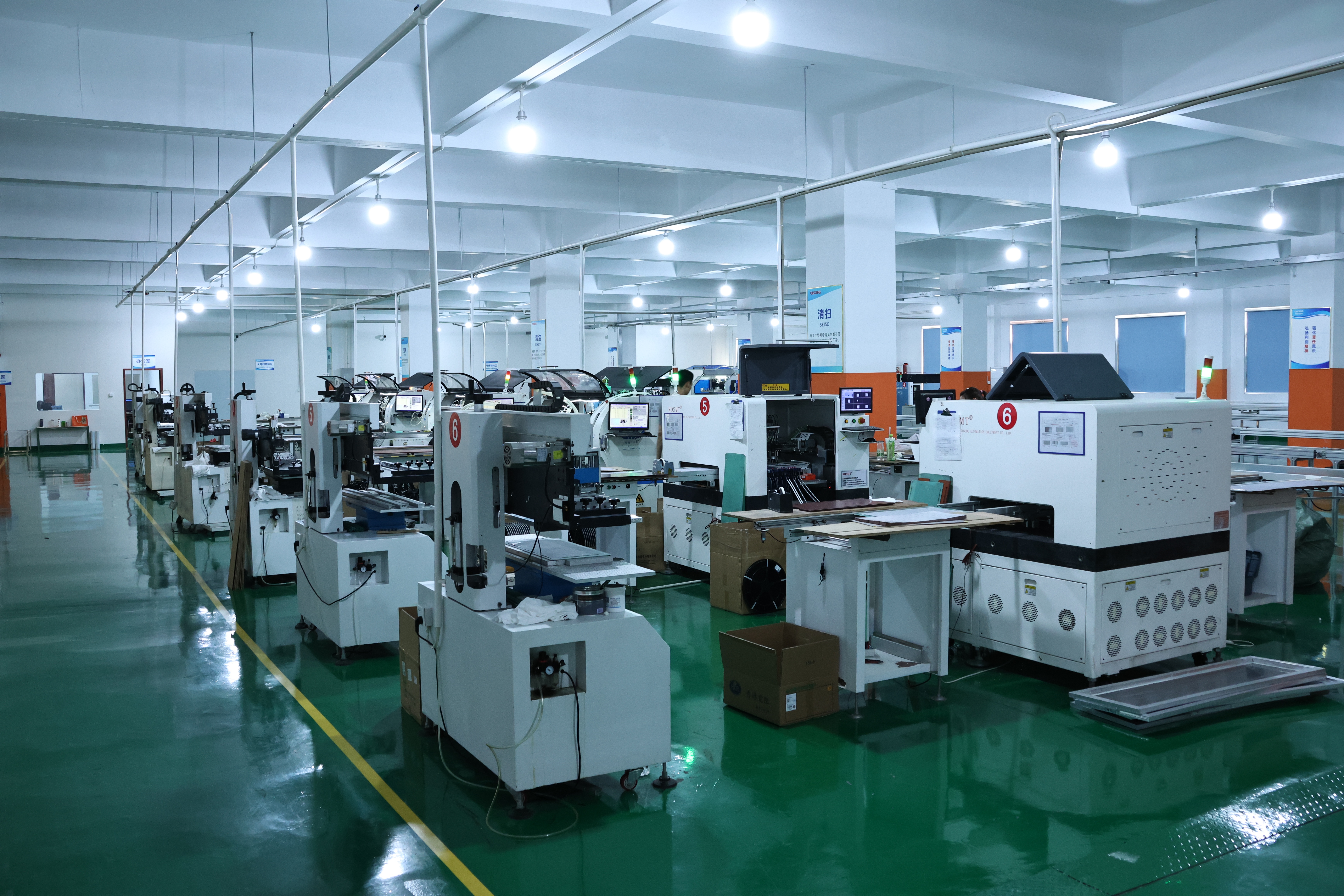
The versatility of diodes and leds extends across countless industrial and consumer sectors, with applications ranging from simple indicator lights to complex optical sensing and power management systems. Organizations that harness these technologies effectively gain significant advantages in energy efficiency, reliability, and cost optimization. This comprehensive guide examines the primary use cases, technical considerations, and strategic benefits of implementing diodes and LEDs in various applications.
Signal Indication and Visual Communication
Status Indication in Electronic Equipment
One of the most widespread applications of semiconductor light emitting devices involves status indication across consumer and industrial equipment. LED indicators communicate operational states, error conditions, and system health through color-coded signals that operators recognize instantly. These devices consume minimal power compared to traditional incandescent bulbs, making them ideal for equipment that operates continuously or in remote locations where power efficiency directly impacts operational costs.
Diodes play a complementary role in indicator circuits by protecting LED circuits from reverse polarity and voltage spikes. The combination ensures reliable, long-lasting status communication in harsh industrial environments, automotive systems, and consumer appliances. Modern LED efficiency and performance standards enable indicator systems to maintain consistent brightness output across voltage variations and temperature extremes.
Traffic Control and Public Signaling
Traffic lights, pedestrian signals, and highway warning systems depend almost entirely on LED technology for reliable public safety communication. These high-visibility applications demand superior luminosity and photostability that semiconductor light emitting devices deliver more effectively than older technologies. The energy savings from LED-based traffic systems translate to millions of dollars annually in municipal operational budgets while improving public safety through superior color rendition and visibility.
Photodiode applications in traffic systems include vehicle detection sensors that optimize signal timing based on real-time traffic flow. These optical sensors work seamlessly with LED control systems to create adaptive traffic management networks that reduce congestion and emissions while improving safety for all road users.
Lighting Applications and Illumination
General Illumination and Architectural Lighting
LED efficiency and performance have revolutionized general illumination across residential, commercial, and industrial settings. Modern LED fixtures deliver superior color accuracy, tunable color temperatures, and exceptional energy efficiency compared to fluorescent and incandescent predecessors. Organizations switching to LED-based lighting systems typically recover their investment within 2–3 years through reduced energy consumption and lower maintenance requirements.
The semiconductor light emitting devices used in contemporary lighting applications now include advanced driver circuits that incorporate diodes for voltage regulation and circuit protection. This integration creates reliable illumination systems that maintain consistent output across varying electrical conditions while minimizing heat generation and extending operational lifespan.
Specialized Lighting in Industrial and Medical Settings
Industrial facilities, operating rooms, and specialized inspection environments require lighting that meets stringent performance standards. LEDs equipped with high color rendering index (CRI) ratings ensure accurate color perception for quality inspection, medical procedures, and detail-oriented manufacturing tasks. Photodiode applications in these environments include feedback sensors that maintain consistent illumination levels despite fluctuating ambient conditions.
Medical diagnostic lighting demands exceptional spectral accuracy and flicker-free operation that semiconductor light emitting devices excel at delivering. Surgical suites, pathology labs, and diagnostic imaging facilities increasingly adopt LED technology because it combines superior color accuracy with the reliability and efficiency that modern healthcare facilities require.
Power Management and Circuit Protection
Rectification and Power Conversion
Diodes serve as the foundational component in power supply circuits, performing rectification that converts alternating current to direct current. This essential function appears in nearly every electronic device from consumer electronics to industrial power systems. Modern rectifier diodes offer improved forward voltage characteristics and faster switching speeds that enhance overall circuit efficiency and reduce heat dissipation requirements.
The integration of diodes in power conversion systems directly impacts the energy efficiency and thermal performance of entire installations. LED efficiency and performance improvements often stem from advances in the diode technology that powers and protects LED driver circuits. Organizations optimizing power systems recognize that diode selection significantly influences operational costs and system longevity.
Voltage Regulation and Circuit Safety
Zener diodes regulate voltage levels in electronic circuits, protecting sensitive components from damage caused by voltage fluctuations and transient spikes. These semiconductor light emitting devices and their companion protection diodes create robust systems that withstand real-world electrical conditions. Industrial environments with unstable power supplies particularly benefit from diode-based voltage regulation that maintains stable operating conditions for connected equipment.
Transient suppression diodes shield digital circuits and microcontrollers from electrostatic discharge and electrical surges that could cause catastrophic failures. This protective function becomes increasingly critical as industrial systems incorporate more sensitive electronics and network-connected devices. Reliable diode protection reduces unplanned downtime and extends the operational lifespan of expensive equipment.
Optical Sensing and Detection
Photodiode Applications in Sensor Systems
Photodiode applications extend across optical sensing, light measurement, and precision detection systems that demand exceptional sensitivity and rapid response times. These semiconductor devices convert light energy directly into electrical signals, enabling contactless measurement of optical properties in industrial quality control, medical diagnostics, and environmental monitoring applications. The rapid response characteristics of photodiodes make them ideal for high-speed optical communications and laser distance measurement systems.
Fiber optic communication systems depend on photodiodes to convert transmitted light signals back into electrical data streams. Telecommunications infrastructure, data centers, and long-distance networking applications rely on semiconductor light emitting devices paired with photodiode receivers to maintain reliable, high-speed connections across vast distances. The efficiency and performance of these optical systems directly determine network speed and reliability.
Proximity and Motion Detection
Infrared LEDs paired with photodiode applications create effective proximity sensors used in automatic doors, robotics, security systems, and touch-free controls. These sensor systems offer reliable operation in diverse environmental conditions without requiring mechanical contact. Modern motion detection applications increasingly incorporate LED efficiency and performance improvements that extend battery life and reduce power consumption in portable and wireless systems.
FAQ
What are the primary efficiency advantages of LEDs compared to traditional lighting technologies?
LED efficiency and performance surpass incandescent and fluorescent lighting by converting 50–70 percent of input power into light, compared to 5 percent for incandescent bulbs. This superior energy conversion dramatically reduces operational costs and heat generation. The long operational lifespan of semiconductor light emitting devices—typically 25,000–50,000 hours—further reduces maintenance expenses and total cost of ownership across commercial and industrial applications.
How do photodiode applications differ from LED applications in electronic systems?
While LEDs emit light when powered, photodiode applications use semiconductor devices to detect and convert incoming light into electrical signals. Both represent essential semiconductor light emitting devices, but their functional roles differ significantly. LEDs provide illumination and signaling, while photodiodes enable optical sensing, measurement, and communication. Many systems combine both technologies—LEDs emit light while photodiodes detect and measure it.
Can diodes and leds be used interchangeably in all applications?
No, diodes and leds serve fundamentally different functions despite sharing semiconductor technology. Standard diodes handle power management and circuit protection through rectification and voltage regulation. LEDs specifically emit light when forward biased, making them suitable for illumination and signaling applications. Understanding these distinctions ensures appropriate component selection for specific system requirements and optimal performance across diverse applications.
 EN