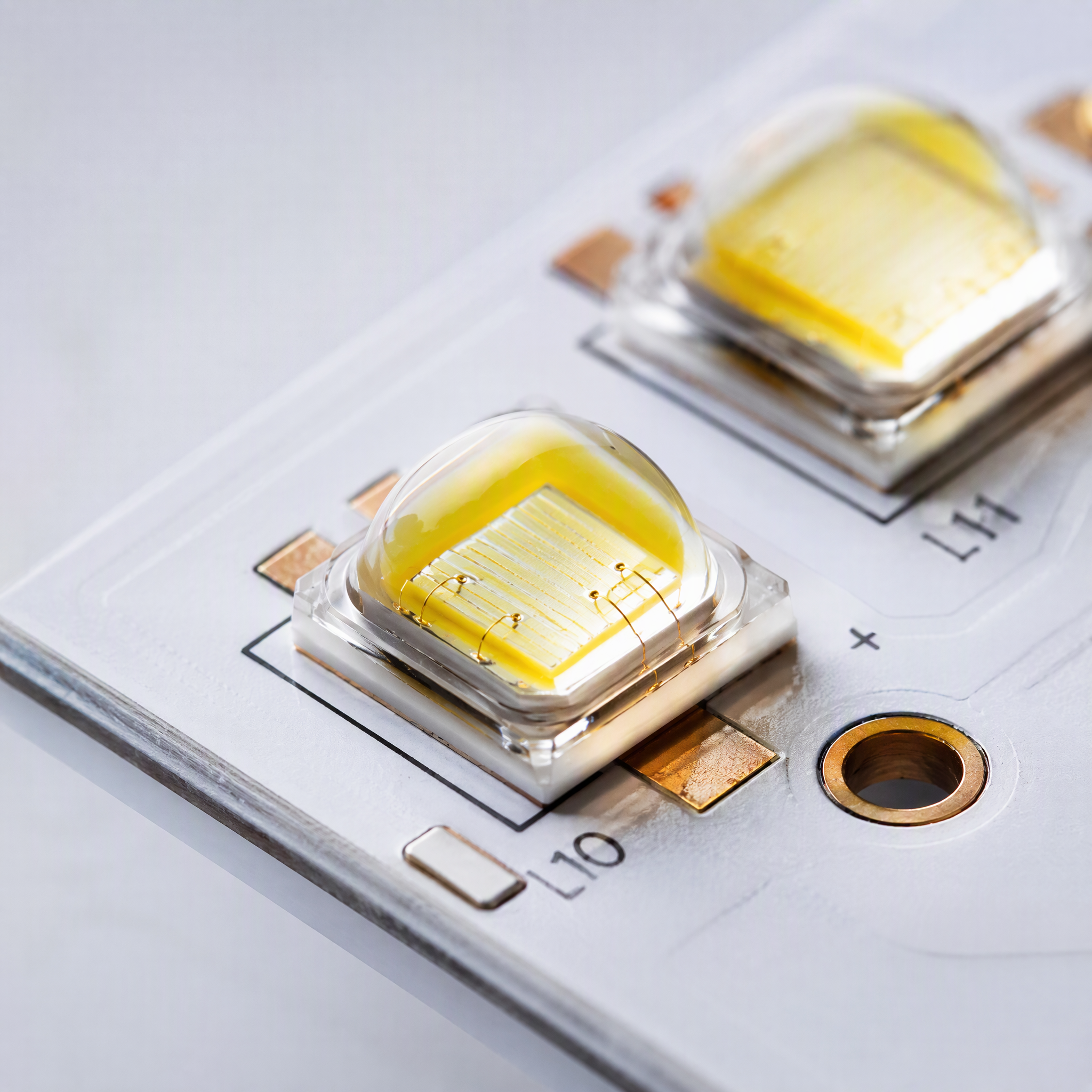
Diodes and LEDs are fundamental semiconductor light emitting devices that form the backbone of modern lighting and electronic systems. Understanding how these components function is essential for engineers, designers, and anyone working with contemporary electrical equipment. Whether you are developing industrial lighting solutions, designing consumer electronics, or optimizing energy consumption, knowledge of diodes and their light-emitting counterparts provides crucial insight into circuit behavior and performance optimization.
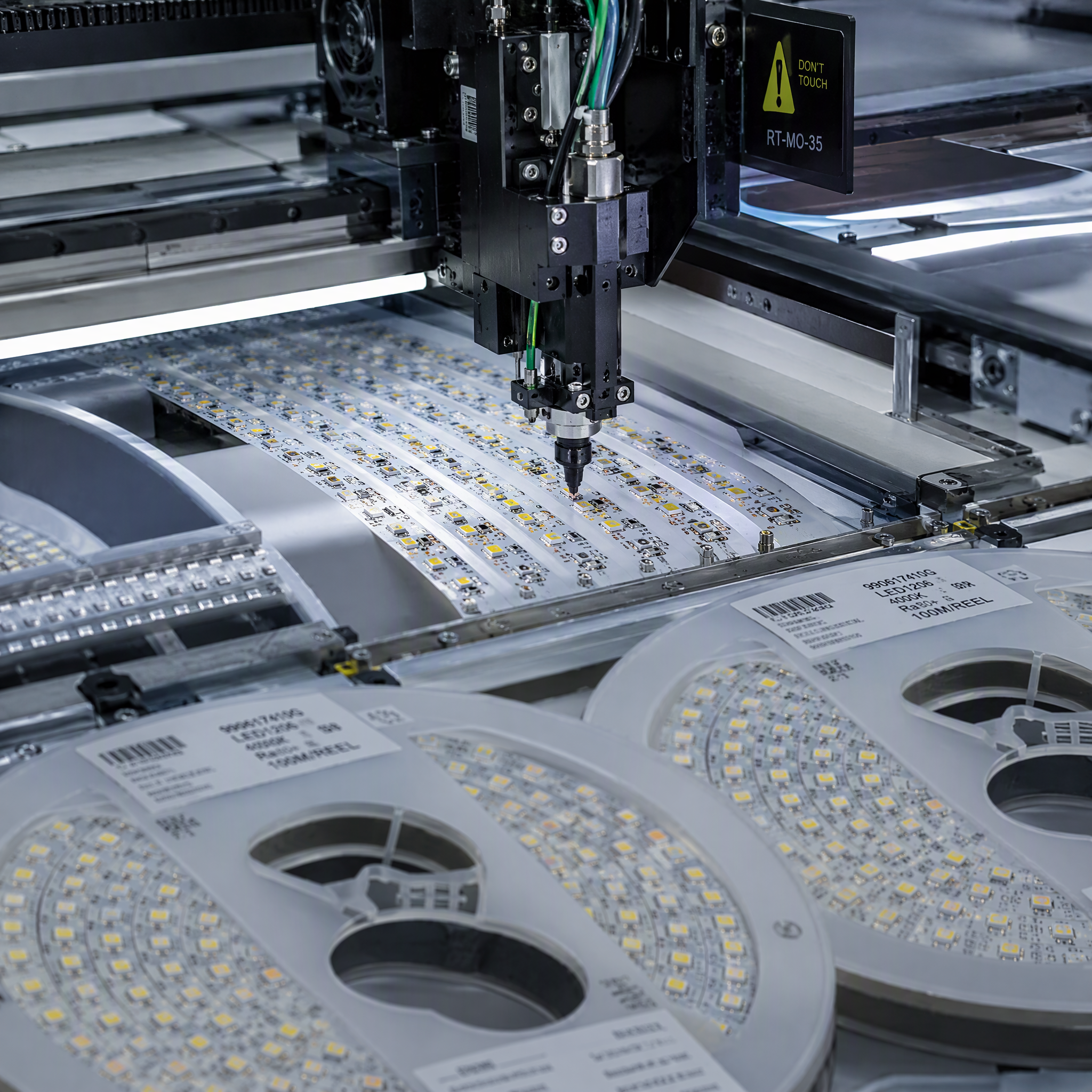
The relationship between diodes and LEDs represents a progression in semiconductor technology, where basic diode principles enable advanced light generation. LEDs have revolutionized the lighting industry by delivering superior LED efficiency and performance compared to traditional incandescent and fluorescent sources. Today's applications span from indicator lights to architectural illumination, making it vital to grasp both the theoretical foundations and practical implications of how these semiconductor light emitting devices operate.
Semiconductor Light Emitting Devices Fundamentals
What Makes Diodes Work
A diode is a semiconductor component constructed from two materials with opposite electrical properties, creating a junction that controls current flow. When forward bias is applied—meaning positive voltage toward the positive terminal—electrons flow across the junction, releasing energy as heat or light. In standard diodes, this energy manifests primarily as heat, but in light-emitting designs, the semiconductor material composition optimizes photon emission. The fundamental principle behind diodes and leds remains consistent: controlled electron recombination generates electromagnetic radiation.
The Bandgap and Light Wavelength
The material composition of a semiconductor determines its bandgap energy, which directly controls the wavelength of light produced. In semiconductor light emitting devices, materials like gallium nitride produce blue light, while aluminum indium gallium phosphide generates red tones. This relationship between material chemistry and optical output represents one of the elegant aspects of LED design. Engineers select specific semiconductor compounds to achieve desired color temperatures and wavelengths for different applications, from indicator lights to full-spectrum illumination systems.
LED Efficiency and Performance Metrics
Understanding LED Efficiency Ratings
LED efficiency and performance depends on multiple factors including forward voltage, current handling, and photon generation rate relative to electrical input. Modern LEDs convert 30-50% of input electrical power into visible light, dramatically surpassing incandescent sources that achieve only 5% efficiency. Luminous efficacy, measured in lumens per watt, quantifies how effectively a light source converts energy into perceived brightness. This metric matters significantly for commercial installations where power consumption directly impacts operational costs and carbon footprint. Higher LED efficiency and performance ratings mean lower electricity bills, reduced heat generation, and extended component lifespan.
Factors Influencing Performance Output
Junction temperature profoundly affects how well semiconductor light emitting devices maintain performance over time. As thermal conditions increase, wavelength shifts, luminous flux decreases, and color rendering quality deteriorates. Proper heat dissipation through thermal management and substrate design becomes critical in high-brightness applications. Current injection levels also influence output characteristics—excessive current causes efficiency droop where additional input power generates disproportionately less light output. Understanding these performance variables enables engineers to design lighting systems that deliver consistent illumination throughout their operational lifespan.
Photodiode Applications and Practical Use Cases
Photodiode Applications in Sensing Technology
While LEDs emit light, photodiodes work in the reverse mode—they detect incident photons and convert optical signals into electrical current. Photodiode applications span industrial automation, medical instrumentation, fiber optic communications, and environmental monitoring. In these systems, photodiodes respond with microsecond speed to light changes, making them ideal for real-time sensing where rapid detection matters. The semiconductor light emitting devices operate inversely: LEDs transform electricity into photons while photodiodes transform photons into measurable electrical signals. This complementary relationship enables complete optical communication systems and feedback control loops.
Integration with Light-Emitting Components
Modern systems frequently pair LEDs with photodiodes to create closed-loop lighting networks where output is continuously monitored and adjusted. Architectural lighting installations employ this approach to maintain consistent illumination despite component aging or changing ambient conditions. Industrial control systems use photodiode applications to detect LED status and trigger alerts when brightness falls below thresholds. This integration demonstrates how understanding both sides of semiconductor light emitting devices—generation and detection—creates robust, intelligent lighting solutions. The synergy between these components represents the sophistication of contemporary lighting technology.
Industrial and Commercial Implementation
Advantages in Real-World Environments
Diodes and leds deliver substantial advantages in industrial settings where reliability and energy conservation matter most. Their solid-state construction creates no filaments or gases to degrade, meaning they tolerate vibration, shock, and temperature cycling that would destroy traditional light sources. Manufacturing facilities benefit from the directional light emission of LEDs, which reduces light waste and improves task visibility. The long operational lifespan—often exceeding 50,000 hours—minimizes maintenance disruptions and replacement costs. These practical benefits explain why semiconductor light emitting devices have become the standard choice across industrial, commercial, and residential applications worldwide.
Optimization for Specific Applications
Selecting appropriate LED efficiency and performance specifications depends on application requirements including brightness level, color temperature, voltage compatibility, and thermal constraints. Under-cabinet lighting solutions require high color rendering index values to showcase product details accurately. Task lighting in industrial environments demands brightness levels that reduce eye strain during extended work periods. Architectural accent lighting prioritizes color consistency and dimming capability to create desired aesthetic effects. Understanding how semiconductor light emitting devices perform under specific operating conditions enables designers to match components precisely to application needs rather than over-specifying or under-performing installations.
FAQ
How do diodes and LEDs differ from traditional light sources?
Diodes and leds use solid-state semiconductor technology to generate light through electron recombination rather than thermal radiation or gas discharge. This fundamental difference delivers superior energy efficiency, longer operational lifespan, faster response times, and better directional control. Traditional sources like incandescent bulbs convert most electrical input into waste heat, while semiconductor light emitting devices achieve 30-50% energy conversion to visible light. Additionally, LEDs tolerate thermal cycling and mechanical stress far better than fragile filaments or pressurized gas envelopes.
What are the main photodiode applications in modern technology?
Photodiode applications include fiber optic communications, industrial automation sensors, medical diagnostics, light measurement instruments, and optical isolation circuits. These components detect light signals with microsecond response times and convert optical information into electrical currents for processing. In telecommunications, photodiode applications enable high-speed data transmission through optical fiber networks. Medical imaging systems rely on photodiode applications to capture subtle light signals and convert them to diagnostic data. Their sensitivity and speed make photodiode applications essential in any system requiring accurate optical detection.
How does LED efficiency and performance impact commercial lighting budgets?
LED efficiency and performance directly affects operational costs through reduced electrical consumption and extended replacement intervals. A facility switching from traditional lighting to LEDs typically reduces energy costs by 60-75% while decreasing maintenance labor through longer component lifespan. Superior LED efficiency and performance also generates less waste heat, reducing air conditioning loads in climate-controlled environments. Over a ten-year period, the cumulative savings from reduced energy consumption and maintenance often justify initial equipment investments within 2-3 years. This economic reality drives continued migration toward semiconductor light emitting devices across commercial and industrial sectors.
 EN