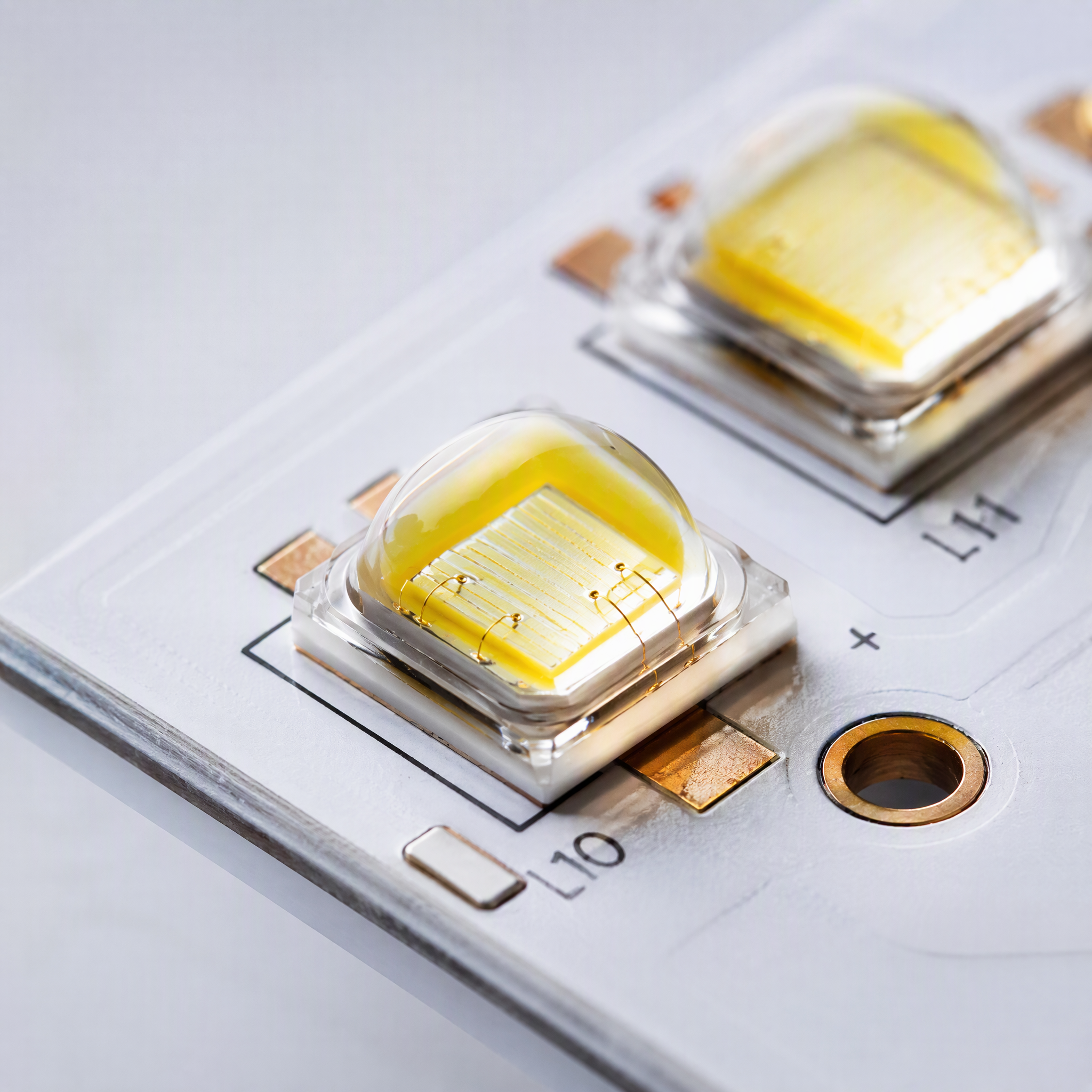
Understanding what factors affect diodes and LEDs performance is essential for engineers, designers, and manufacturers working with semiconductor light emitting devices. These components form the backbone of modern lighting systems, display technologies, and signal transmission applications. Performance optimization requires deep knowledge of how environmental conditions, electrical parameters, and material properties influence their operation. Whether you're designing an LED lighting system or selecting photodiode applications for your project, recognizing these performance drivers can mean the difference between project success and costly failures.
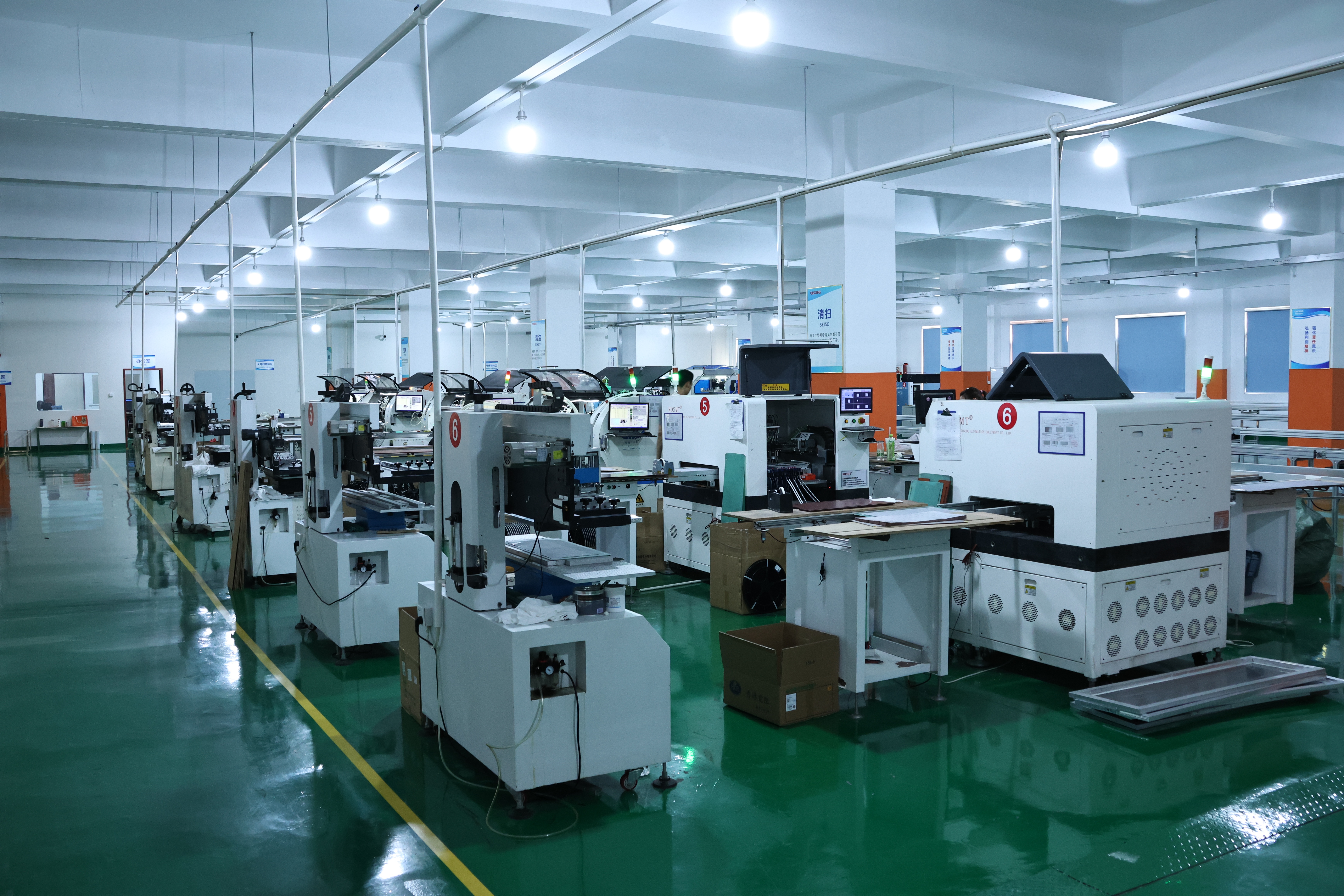
The performance characteristics of diodes and leds depend on interconnected factors that interact in complex ways. Temperature fluctuations, current levels, voltage regulation, and material composition all play critical roles in determining brightness, color accuracy, lifespan, and energy efficiency. Industry professionals must balance these variables to achieve optimal led efficiency and performance while maintaining cost-effectiveness and reliability. This comprehensive guide explores the major performance factors and how they influence practical applications across residential, commercial, and industrial settings.
Temperature Effects on Semiconductor Light Emitting Devices
Thermal Behavior and Brightness Degradation
Temperature stands as one of the most significant factors affecting the output and longevity of semiconductor light emitting devices. As junction temperature increases, the bandgap energy of the semiconductor material decreases, which causes the emitted light wavelength to shift toward longer wavelengths. This phenomenon directly impacts led efficiency and performance by reducing the light output intensity. For every degree Celsius increase above the rated operating temperature, LED brightness typically decreases by approximately 0.3 to 0.5 percent, depending on the specific device and material composition.
Excessive heat buildup shortens the operational lifespan of diodes and leds significantly. The semiconductor junction itself becomes unstable at elevated temperatures, causing increased leakage current and accelerated degradation of internal structures. Proper thermal management through heat sinks, thermal compounds, and ventilation becomes non-negotiable for maintaining consistent performance in high-power applications. Without adequate heat dissipation, even premium-grade semiconductor light emitting devices can experience premature failure, negating initial performance advantages.
Temperature Compensation Strategies
Industry professionals employ various temperature control methods to preserve led efficiency and performance across changing environmental conditions. Active cooling systems with temperature sensors and feedback loops maintain optimal junction temperatures in critical applications. Passive cooling solutions using copper heat sinks and thermal interface materials provide cost-effective thermal management for moderate-power diodes and leds. Advanced driver circuits include temperature compensation algorithms that adjust forward current to maintain consistent light output despite ambient temperature variations, ensuring stable photodiode applications and LED brightness.
Forward Current and Voltage Operating Conditions
Current Flow Impact on Luminous Output
Forward current represents the primary control parameter for regulating the light output of semiconductor light emitting devices. Increasing forward current through a diode or LED generally increases luminous intensity and color saturation, but this relationship reaches saturation points where additional current produces diminishing brightness gains. Operating diodes and leds beyond their rated forward current accelerates thermal stress, reduces lifespan, and can cause catastrophic failure through junction burnout. Design engineers must carefully calculate current levels based on duty cycle, thermal dissipation capacity, and desired operational lifespan to maintain optimal led efficiency and performance.
The current-voltage relationship in semiconductor light emitting devices follows a nonlinear exponential curve, particularly near the forward voltage threshold. Small increases in voltage near the rated forward voltage produce exponential current increases, which exponentially amplifies heat generation. This nonlinear behavior explains why precise current limiting through resistors or constant-current drivers becomes essential for photodiode applications and general diode operation. Without proper current regulation, slight voltage fluctuations can trigger destructive thermal runaway in high-brightness LEDs and sensitive optical sensors.
Voltage Regulation and Stability
Stable voltage supply directly influences the predictable behavior of diodes and leds in system designs. Voltage ripple and transient spikes cause fluctuating forward current, resulting in flickering light output and accelerated aging. Industrial lighting systems and precision measurement applications using photodiode applications require regulated power supplies that maintain voltage stability within specified tolerances. Switching power supplies with capacitive filtering and active voltage regulators provide the clean power delivery necessary for maintaining consistent led efficiency and performance across variable load conditions.
Wavelength Characteristics and Color Performance
Spectral Distribution and Color Rendering
The wavelength output of semiconductor light emitting devices determines their perceived color and suitability for specific applications. Different dopant materials and doping concentrations in the semiconductor lattice create different bandgap energies, producing red, amber, green, blue, and ultraviolet diodes and leds with distinct spectral characteristics. Color consistency represents a critical performance metric in display applications and architectural lighting where color accuracy directly affects end-user experience and product quality perception. Variations in color temperature and color rendering index between individual LEDs require sophisticated binning and sorting processes to ensure uniform performance across installed systems.
Advanced semiconductor light emitting devices achieve superior color performance through multi-layer heterojunction structures that optimize carrier confinement and photon generation efficiency. Phosphor conversion techniques allow blue LEDs to produce white light by downconverting blue photons into red and green wavelengths, enabling tunable led efficiency and performance across different color temperatures. Photodiode applications benefit from narrow spectral response characteristics that improve signal detection accuracy in optical communication systems and environmental sensing applications. The relationship between wavelength and device efficiency creates optimization challenges requiring careful material selection and optical design.
Aging and Color Shift Prevention
Long-term color stability of diodes and leds depends on maintaining junction temperature, current stability, and phosphor integrity over extended operational periods. Phosphor degradation under continuous high-brightness operation causes color temperature shift and reduced color rendering index, compromising led efficiency and performance in critical applications. Encapsulation materials and optical coatings protect phosphor layers from UV radiation and moisture ingress, extending the stable operational lifespan of semiconductor light emitting devices. Quality-focused manufacturers implement accelerated aging tests and thermal cycling protocols to verify color stability predictions before releasing products to market.
FAQ
How does junction temperature specifically impact the forward voltage drop of diodes and leds?
As junction temperature increases, the forward voltage drop across diodes and leds decreases by approximately 2 millivolts per degree Celsius. This negative temperature coefficient complicates current regulation in semiconductor light emitting devices, because rising temperature reduces voltage drop while increasing leakage current simultaneously. This creates positive feedback that can trigger thermal runaway if current limiting is insufficient. Constant-current drivers compensate for this effect by adjusting voltage to maintain stable forward current despite temperature changes, preserving led efficiency and performance.
What role do semiconductor light emitting devices play in photodiode applications and optical sensing?
Photodiode applications rely on the reverse photovoltaic effect in semiconductor light emitting devices, where incident photons generate electron-hole pairs that produce electrical current. Unlike LEDs that emit light through forward bias injection current, photodiodes detect light through reverse bias depletion regions. Spectral response matching between light source and photodiode applications ensures efficient signal transfer in optical communication systems, proximity sensors, and environmental monitoring equipment. Dark current and capacitance characteristics of the photodiode determine signal-to-noise ratio and detection speed in precision measurement applications.
Which factors most heavily impact led efficiency and performance in practical installation scenarios?
Thermal management, power supply stability, and proper current regulation emerge as the three most critical factors affecting led efficiency and performance in real-world applications. Heat sink design and ambient temperature conditions determine actual junction temperature, which directly impacts brightness, color consistency, and operational lifespan. Quality constant-current drivers that regulate forward current independent of supply voltage fluctuations preserve semiconductor light emitting devices performance across variable electrical conditions. Combining these three factors through careful system design ensures that installed diodes and leds maintain specified performance throughout their rated operational life while minimizing maintenance requirements.
 EN